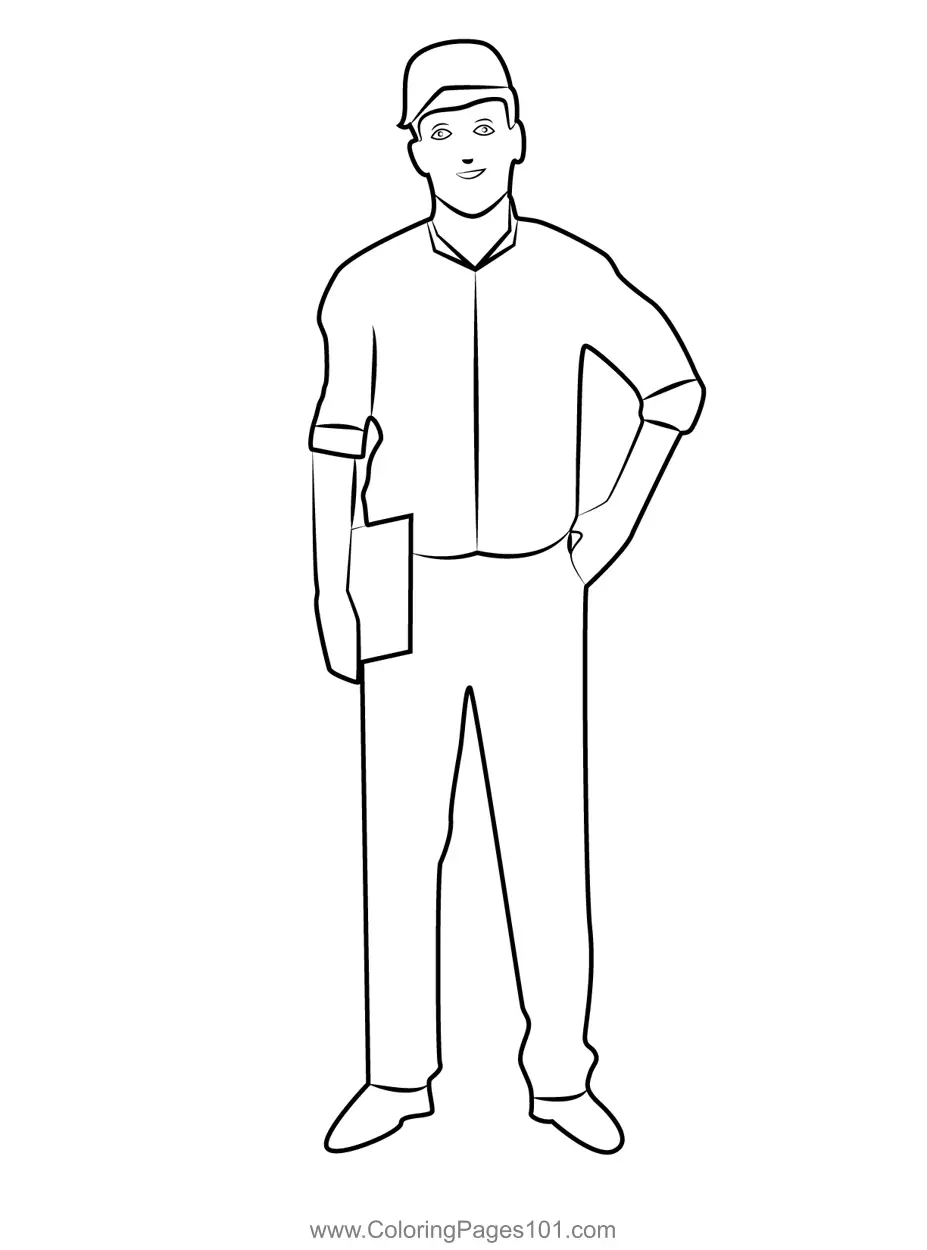
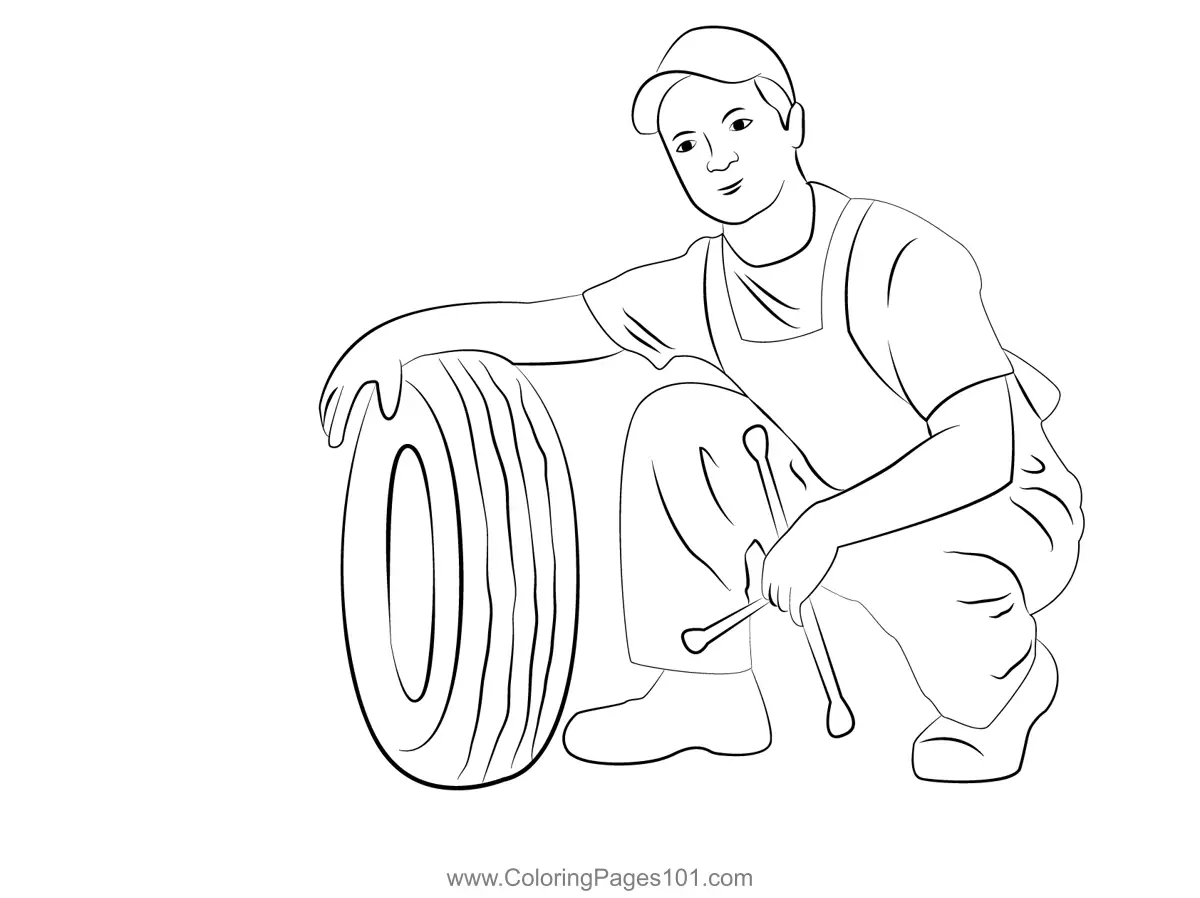
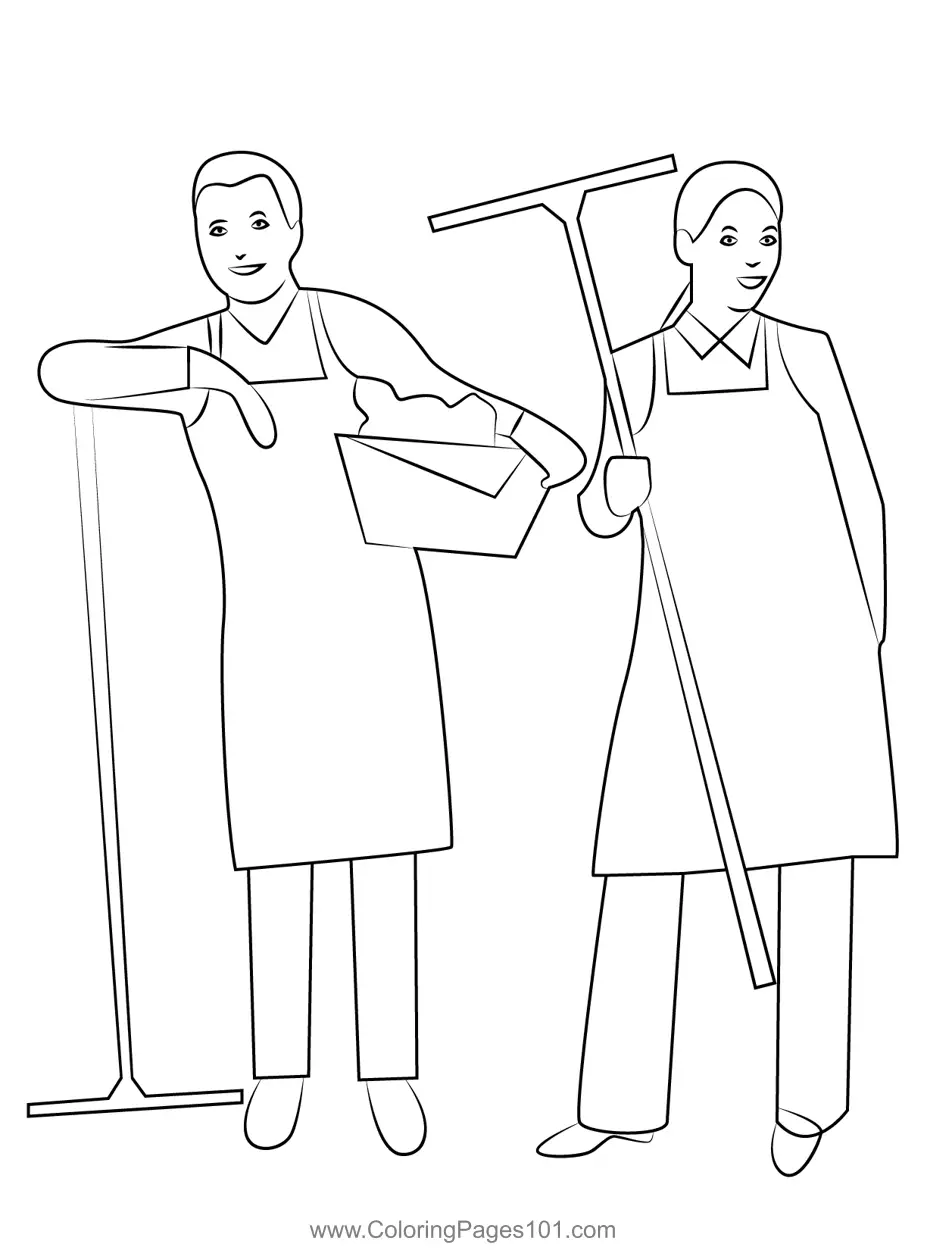
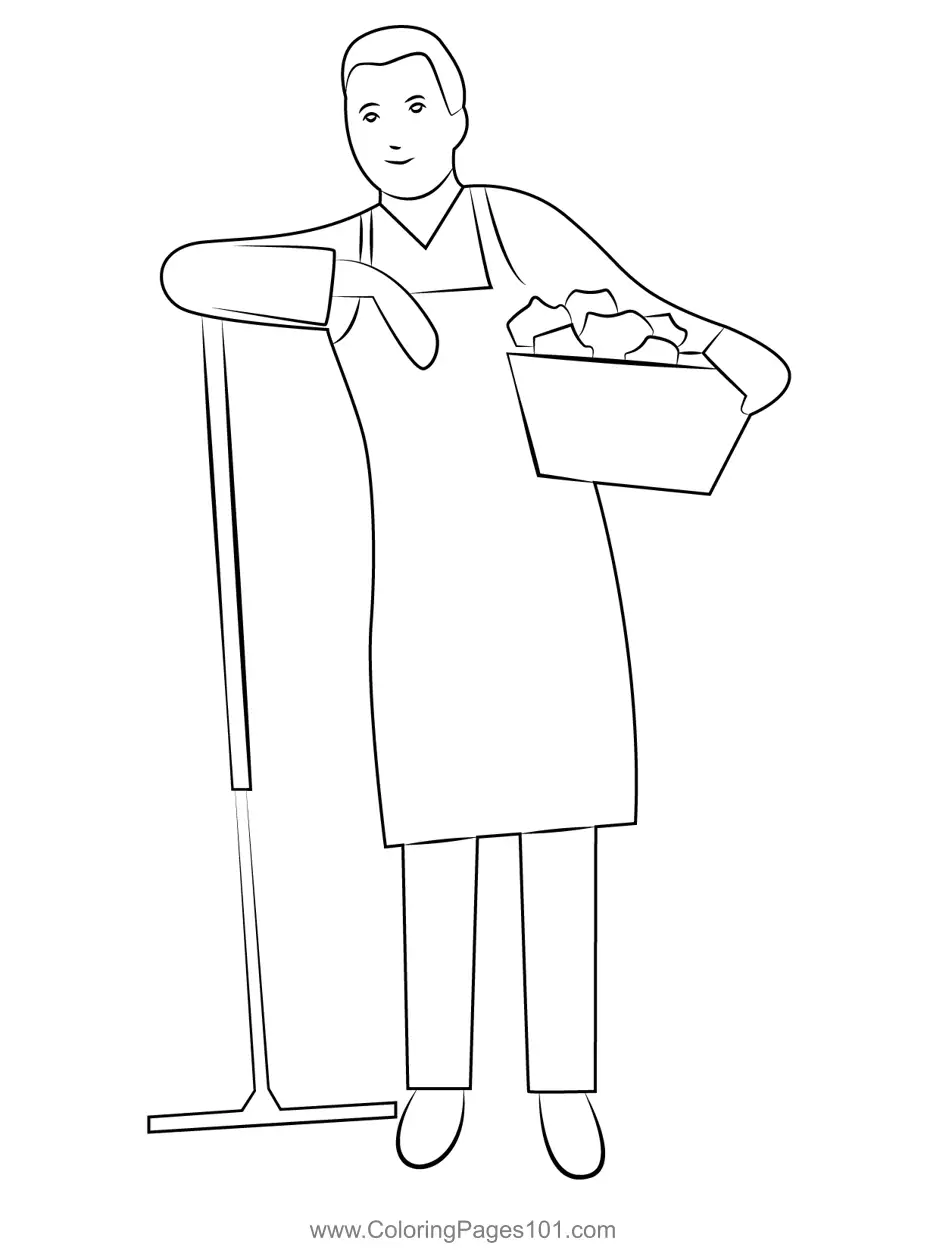
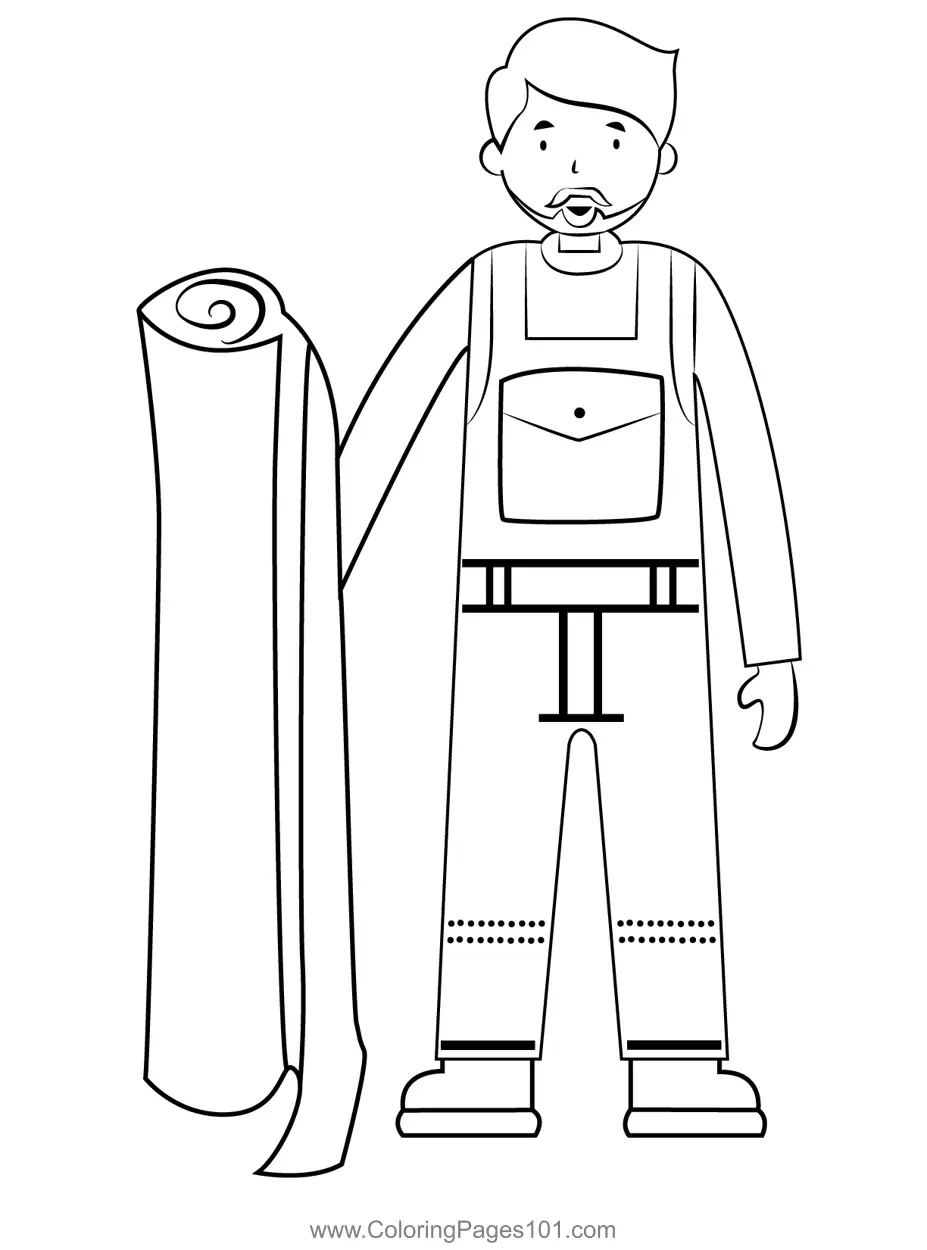
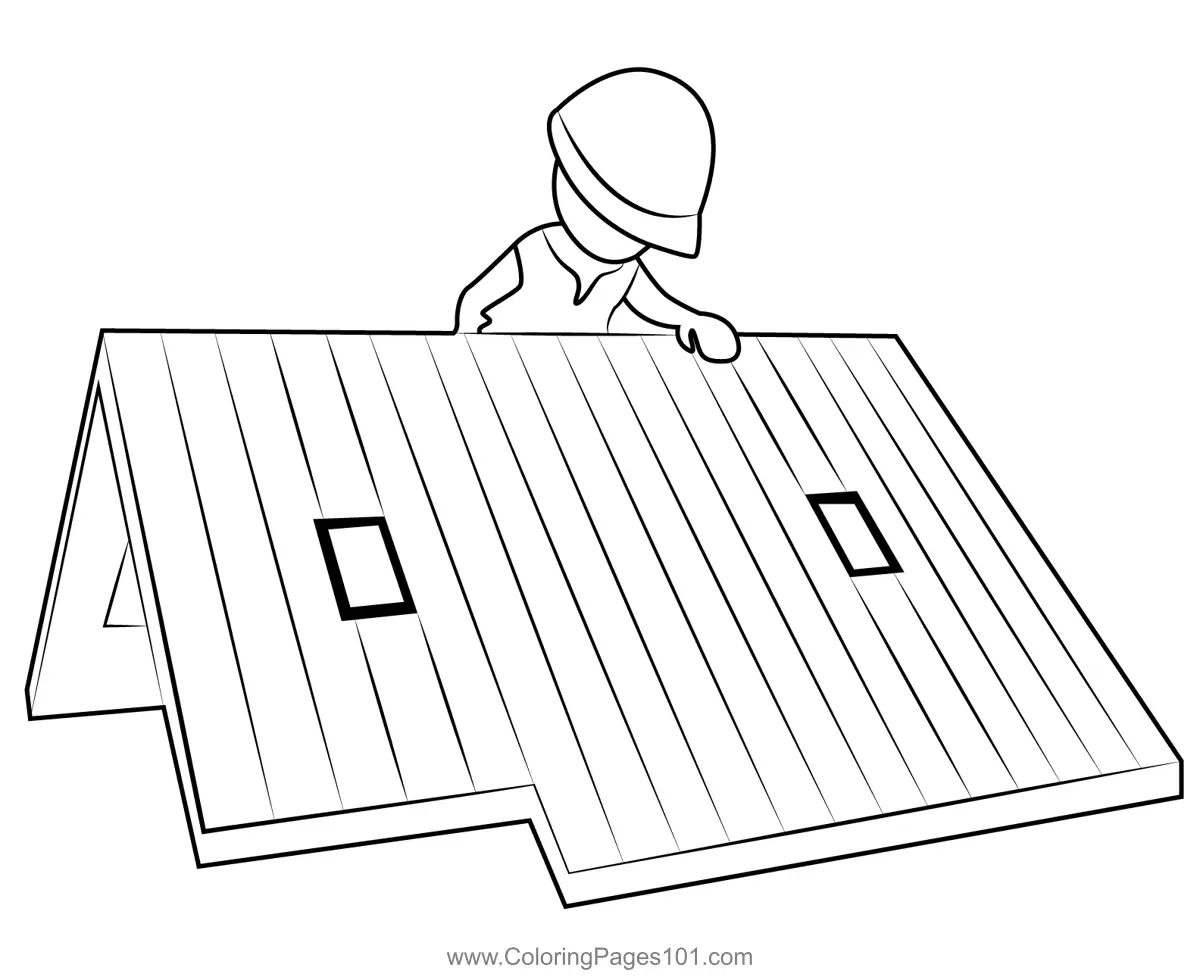
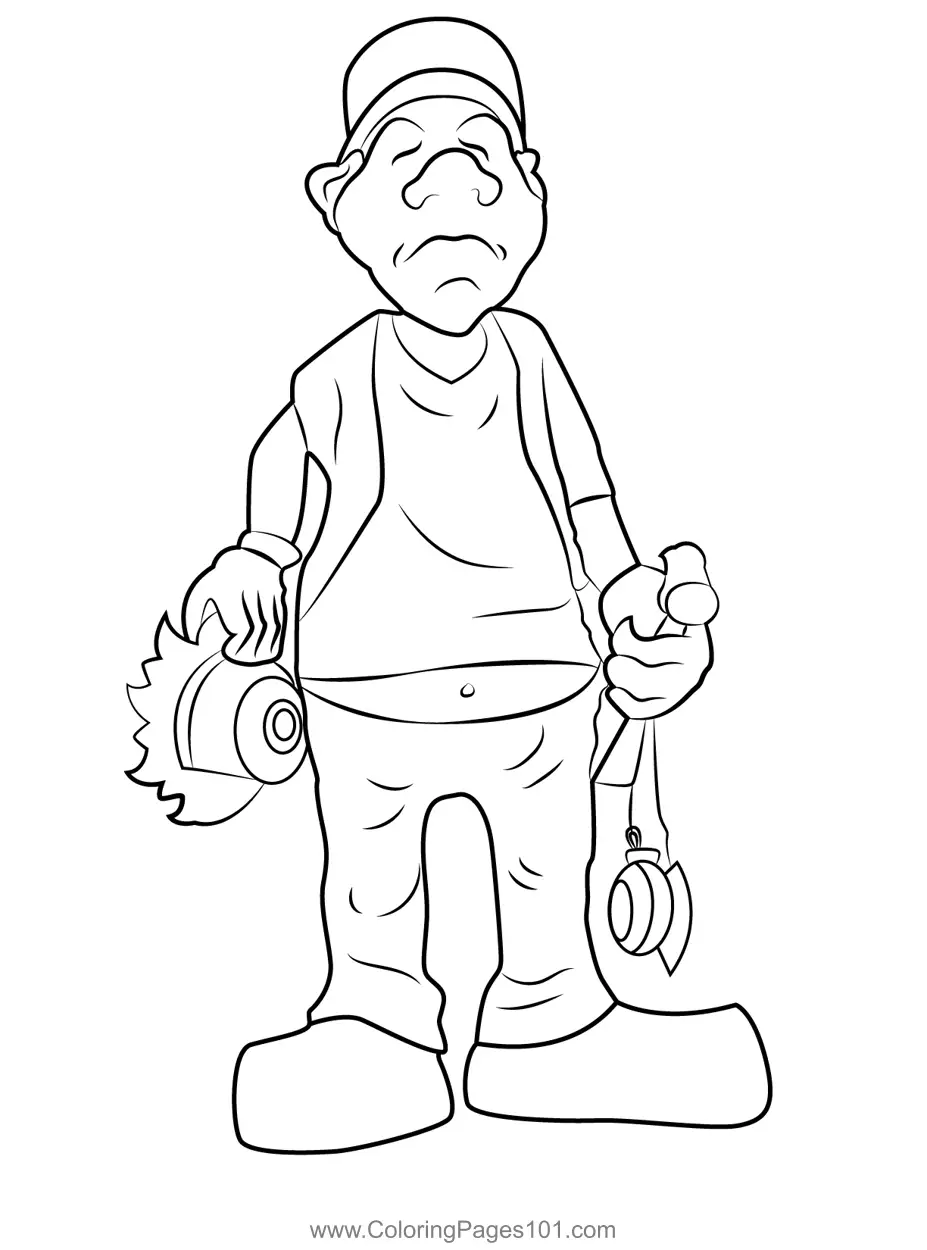
Workers Coloring Pages
Discovering engaging and educational activities for children can transform ordinary afternoons into memorable learning experiences. Workers coloring pages offer an exceptional opportunity to introduce young minds to various professions while nurturing their artistic abilities. At Magic Fingers Art, we understand that combining entertainment with education creates lasting impressions on developing minds. Our collection features detailed illustrations showcasing firefighters, construction workers, doctors, teachers, and countless other professionals who keep our communities thriving. These printable resources provide hours of creative enjoyment while teaching children about the diverse career paths available in our society.
Parents and educators consistently seek materials that serve multiple purposes, and our free coloring pages deliver exactly that combination. Each illustration has been carefully designed to capture authentic details of different occupations, from the protective gear worn by police officers to the specialized tools used by mechanics. Children develop fine motor skills as they carefully fill in intricate details, while simultaneously learning to appreciate the hard work performed by community helpers. The therapeutic benefits of coloring extend beyond childhood, making these resources valuable for adults seeking stress relief through creative expression. Our platform ensures that accessing these materials remains simple, allowing you to download or to print any design within seconds.
About workers coloring pages
The concept behind workers coloring pages stems from recognizing that children learn best when education feels like play. These coloring sheets transform abstract career concepts into tangible images that young artists can interact with directly. When a child colors a farmer tending crops or a chef preparing meals, they begin understanding how different professions contribute to daily life. This awareness builds respect for all types of work and may even spark early career interests. Magic Fingers Art has curated an extensive library featuring traditional occupations alongside modern professions, ensuring representation of our evolving workforce. From astronauts exploring space to veterinarians caring for animals, each illustration tells a story waiting for colorful interpretation.
Our coloring pictures stand apart through attention to accuracy and age-appropriate complexity. Younger children benefit from simpler designs featuring bold outlines and fewer details, while older kids enjoy challenging themselves with intricate patterns and realistic scenarios. This versatility makes our collection suitable for classrooms, homeschooling environments, and recreational activities at home. Teachers frequently incorporate these resources into lesson plans about community helpers, career exploration units, or even cultural studies when examining professions across different societies. The educational value multiplies when adults engage with children during the coloring process, discussing what each worker does and why their role matters. Such conversations plant seeds of curiosity that may blossom into lifelong passions.
How to Get Started
Accessing our workers coloring pages requires minimal effort, making creativity instantly available whenever inspiration strikes. Simply browse through our organized categories on Magic Fingers Art, where professions are grouped logically for easy navigation. Once you've selected your preferred design, clicking the download button saves the file directly to your device. Alternatively, you can send the image straight to your printer if you're ready to start coloring immediately. We've optimized all files to ensure crisp, clear lines that reproduce beautifully on standard paper, though heavier cardstock produces even more impressive results for special projects or classroom displays.
Gathering basic supplies enhances the coloring experience significantly. Crayons remain a classic choice for younger children due to their durability and ease of use, while colored pencils offer precision for detailed work. Markers create vibrant, bold colors but require careful handling to prevent bleeding through paper. Many families enjoy experimenting with different mediums, sometimes combining tools within a single project for varied textures and effects. Setting up a dedicated creative space with good lighting and comfortable seating encourages longer, more focused coloring sessions. Keep a folder or binder nearby to organize completed pictures to color, creating a portfolio that documents artistic progress over time. This collection becomes a source of pride for young artists and provides tangible evidence of developing skills.
Establishing a routine around coloring activities maximizes their developmental benefits. Some families designate specific times for creative work, such as quiet afternoons or weekend mornings, while others keep printable pages readily available for spontaneous artistic urges. Educators often use these resources as calming transitions between high-energy activities or as rewards for completed assignments. The flexibility of having digital files means you'll never run out of fresh designs, and printing duplicates allows multiple children to work on identical images, facilitating discussions about individual artistic choices. Consider creating themed weeks where you explore different career categories, deepening understanding through focused attention on related professions.
Workers coloring pages - Creative Coloring Ideas
Transforming standard coloring activities into extraordinary creative projects requires only imagination and willingness to experiment. After completing workers coloring pages, children can cut out their finished artwork and arrange figures into dioramas depicting busy communities. Constructing three-dimensional scenes using shoeboxes or poster boards brings professions to life in new dimensions. Adding craft materials like cotton balls for clouds, fabric scraps for textures, or small props creates immersive environments where colored workers perform their duties. This extension activity reinforces learning while developing spatial reasoning and storytelling abilities.
Another engaging approach involves creating personalized coloring book collections focused on career aspirations. Children select and color pages representing jobs they find interesting, then compile them into bound books using staples, rings, or ribbon. Writing brief descriptions beneath each illustration adds literacy practice to the artistic endeavor. These custom books become treasured keepsakes that capture childhood dreams and interests at specific developmental stages. Parents often discover surprising insights into their children's thinking through these self-directed projects, opening conversations about goals, values, and the paths people take toward fulfilling careers.
Group activities centered around coloring sheets foster social skills alongside creativity. Organizing coloring parties where each participant receives identical worker images produces fascinating results when comparing finished products. Despite starting with the same outline, individual color choices, shading techniques, and stylistic decisions yield unique interpretations. Discussing these differences teaches children that diverse perspectives enrich our world and that there's no single "correct" way to approach creative challenges. Collaborative murals represent another option, where large-scale prints get divided into sections for multiple artists to complete simultaneously. The resulting collective artwork celebrates teamwork while honoring individual contributions.
Seasonal variations add fresh excitement to familiar themes. During community helper appreciation weeks, focus on free coloring pages featuring relevant professions like mail carriers, sanitation workers, or crossing guards. Holiday periods offer opportunities to imagine workers in festive contexts—firefighters decorating their station, bakers creating seasonal treats, or retail workers arranging holiday displays. These contextual variations help children understand that professionals continue their important work throughout changing seasons and circumstances. Magic Fingers Art regularly updates our collection to reflect contemporary professions and evolving workplace realities, ensuring that our resources remain relevant and representative of modern society.
Advanced techniques elevate simple coloring into genuine artistic expression. Experimenting with color theory by choosing complementary or analogous palettes teaches fundamental design principles. Practicing shading and highlighting adds dimension to flat illustrations, making figures appear more lifelike and dynamic. Older children and adults might incorporate mixed media elements, adding watercolor washes as backgrounds or using gel pens for metallic accents on tools and equipment. These sophisticated approaches transform printable outlines into gallery-worthy pieces that demonstrate serious artistic skill. Displaying finished work prominently validates the effort invested and encourages continued creative development.
Enhancing learning through workers coloring pages
The educational potential of workers coloring pages extends far beyond simple entertainment value. Pairing coloring activities with research projects deepens understanding of featured professions. Children might interview family members about their jobs, then color corresponding pages while reflecting on what they learned. Reading age-appropriate books about various careers before or after coloring reinforces vocabulary and concepts. Creating timelines showing how certain professions have evolved throughout history adds temporal context, helping children appreciate how technology and social changes reshape the workforce. These multidisciplinary connections transform isolated art projects into comprehensive learning experiences that engage multiple cognitive domains simultaneously.
Language development flourishes when adults actively participate in coloring sessions. Describing colors, discussing job responsibilities, and asking open-ended questions about the images stimulates verbal skills and critical thinking. Encouraging children to narrate stories about their colored workers builds narrative abilities and imagination. For multilingual families, these activities provide natural opportunities to introduce occupation-related vocabulary in different languages. The concrete visual reference makes abstract words more memorable and accessible. Teachers working with English language learners find that coloring pictures serve as excellent conversation starters, reducing anxiety while building confidence in speaking about familiar topics.
Mathematical concepts integrate seamlessly into worker-themed coloring projects. Counting tools in a mechanic's workshop, measuring ingredients alongside a chef, or calculating distances on a pilot's flight path connects abstract numbers to real-world applications. Younger children practice one-to-one correspondence by coloring specific quantities of objects, while older students tackle word problems featuring their colored professions. Geometry comes alive when examining the shapes within construction worker scenes or the patterns in a fashion designer's creations. These cross-curricular connections demonstrate that learning doesn't occur in isolated subject silos but rather through interconnected experiences that mirror authentic life situations.
Building appreciation for community helpers with coloring sheets
Cultivating gratitude for the people who maintain our communities represents one of the most valuable lessons workers coloring pages can teach. As children color images of sanitation workers, they begin recognizing the effort required to keep neighborhoods clean. Illustrating healthcare professionals highlights the dedication needed to care for sick and injured people. These visual representations make invisible labor visible, fostering appreciation that might otherwise develop much later in life. Magic Fingers Art intentionally includes diverse workers across all service levels, from corporate executives to agricultural laborers, emphasizing that every role contributes essential value to society's functioning.
Discussions about fairness, equity, and respect naturally emerge from these coloring activities. Observing that some professions receive more recognition or compensation than others opens age-appropriate conversations about social justice and economic systems. Children learn that worthiness isn't determined by job title or salary but by the dignity inherent in all honest work. These early lessons in empathy and social awareness lay foundations for becoming conscientious citizens who value diverse contributions. When children later encounter workers in their daily lives—at grocery stores, libraries, or medical offices—they're more likely to demonstrate courtesy and appreciation, having spent time contemplating these individuals' roles through artistic engagement.
Community service projects gain deeper meaning when preceded by relevant coloring activities. Before visiting a fire station, children might color firefighter scenes, preparing questions about equipment and procedures they've illustrated. After completing pictures to color featuring teachers, students could create thank-you cards for school staff, incorporating their artwork. These connections between artistic preparation and real-world interaction reinforce learning while demonstrating practical applications of knowledge. The colored pages become reference points for memories, helping children process and retain information from their experiences. This cyclical relationship between art, learning, and action exemplifies holistic education that engages hearts and minds simultaneously.
Discovering career possibilities through creative exploration
Early exposure to diverse professions through workers coloring pages plants seeds for future career exploration. Children who color veterinarians, engineers, artists, and scientists begin imagining themselves in these roles, trying on different identities through creative play. This imaginative rehearsal serves important developmental functions, helping young people understand their interests, values, and aptitudes. Unlike passive media consumption, actively coloring requires focused attention that deepens engagement with the subject matter. The kinesthetic involvement of hand movements combined with visual processing creates stronger neural pathways than simply viewing images, making the experience more memorable and impactful.
Representation matters profoundly in these materials. Magic Fingers Art ensures our coloring sheets feature workers of various genders, ethnicities, abilities, and body types across all professions. Children need to see people who look like them succeeding in diverse fields, breaking down limiting stereotypes about who belongs in certain careers. A girl coloring a female construction worker or a boy illustrating a male nurse receives subtle but powerful messages about unlimited possibilities. These inclusive images counteract narrow cultural narratives and expand children's sense of what they might become. Parents and educators can amplify these messages through intentional conversations that challenge assumptions and celebrate diversity within the workforce.
Tracking evolving interests through saved coloring book pages provides fascinating insights into developing personalities. A child who repeatedly chooses animal-related professions might genuinely be drawn toward veterinary medicine, zoology, or wildlife conservation. Consistent selection of building and construction themes could indicate engineering or architectural inclinations. While childhood interests certainly shift, these patterns sometimes reveal authentic passions worth nurturing through additional resources, experiences, and encouragement. Maintaining organized collections of completed work allows families to notice these trends and respond supportively, perhaps arranging relevant field trips, finding appropriate books, or connecting with professionals willing to share their experiences.
Maximizing the benefits of printable coloring resources
The convenience of printable materials from Magic Fingers Art eliminates barriers that once limited access to quality educational resources. Families in remote areas without nearby craft stores can instantly obtain professional-grade coloring pictures through simple downloads. Budget-conscious households appreciate that our free coloring pages provide enriching activities without financial strain. Teachers working with limited classroom funds can supplement curricula with unlimited copies of relevant materials. This democratization of educational resources ensures that economic circumstances don't determine which children access creativity-building tools. The digital format also supports environmental consciousness, as families print only what they'll actually use rather than purchasing books with many unused pages.
Organizational systems help families maximize their investment in printing supplies and time. Creating labeled folders for different profession categories makes finding specific workers coloring pages quick and efficient when planning themed activities. Some households maintain both digital libraries on devices and physical collections of printed favorites, offering flexibility for different situations. Laminating particularly beloved completed pieces preserves them for display or allows reuse with dry-erase markers for repeated coloring practice. Establishing these simple systems prevents the frustration of lost files or damaged prints while teaching children organizational skills that transfer to other life areas.
Quality considerations affect both the coloring experience and final results. Adjusting printer settings to highest quality output ensures crisp lines that are easy for young children to see and follow. Using appropriate paper weight prevents marker bleed-through and gives finished pieces a more substantial, professional feel. Experimenting with different paper types—from standard copy paper to specialty cardstock or even watercolor paper—reveals how surfaces affect various coloring media. These technical aspects might seem minor but significantly impact user satisfaction and the likelihood of repeated engagement with the materials. Magic Fingers Art optimizes all files for