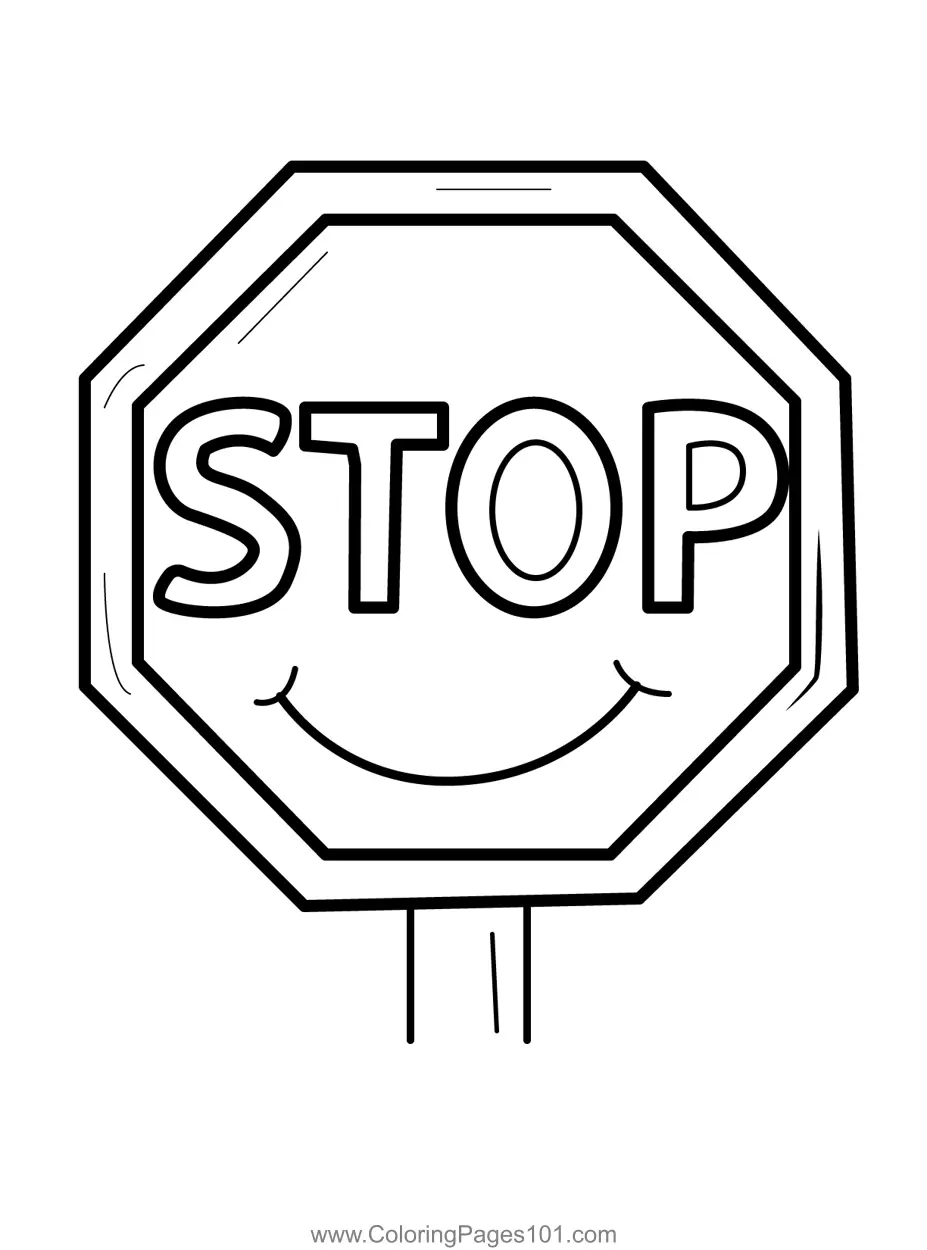
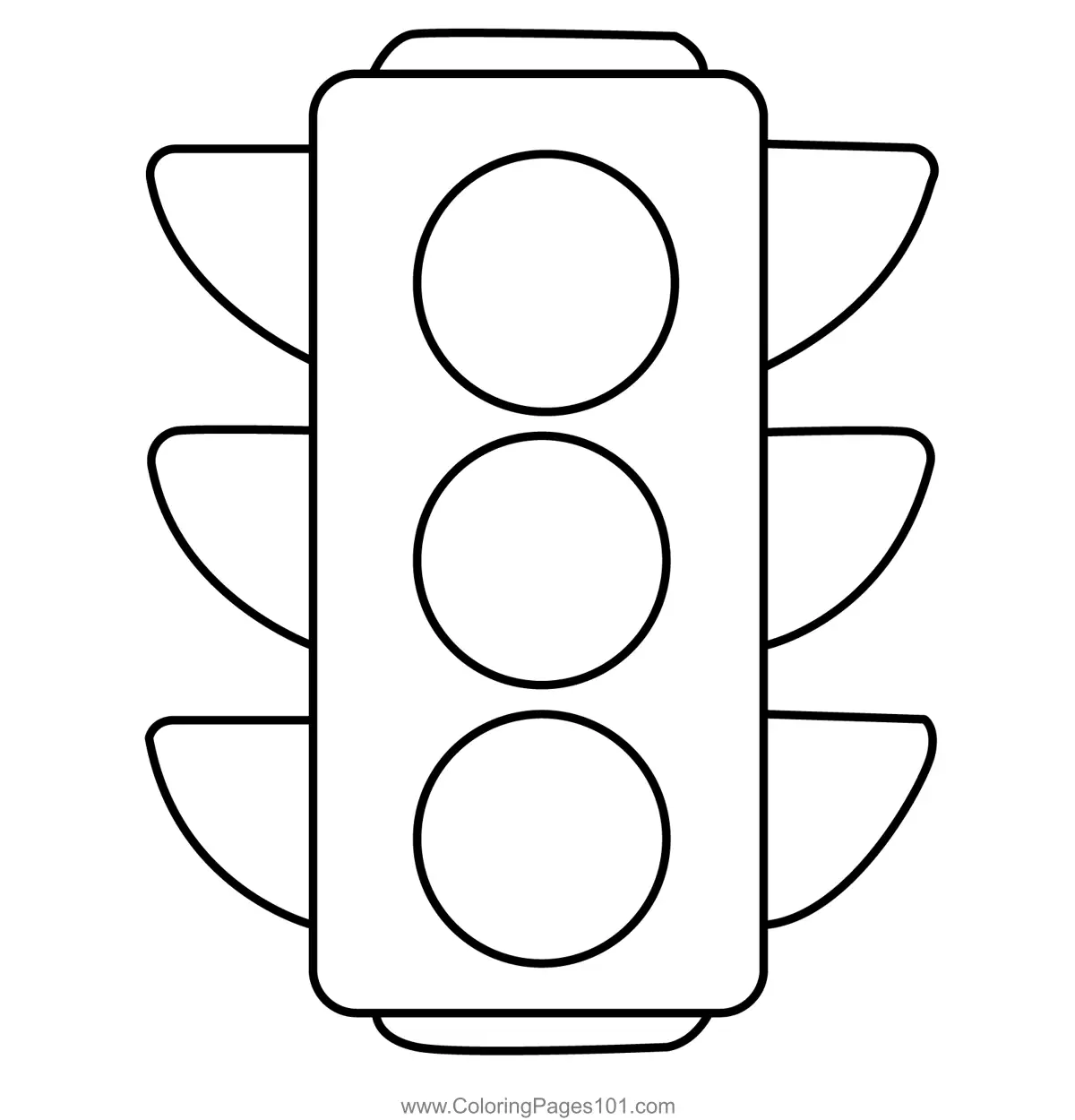
Road Signs Coloring Pages
Children naturally gravitate toward colorful imagery that mirrors their everyday experiences, and road signs coloring pages provide an exceptional opportunity to blend education with creative expression. These engaging coloring sheets transform ordinary traffic symbols into captivating artistic projects that help young minds understand essential safety concepts while developing fine motor skills. Magic Fingers Art offers an extensive collection of free coloring pages featuring stop signs, yield markers, pedestrian crossings, speed limit indicators, and countless other traffic symbols that children encounter during daily travels with their families.
The educational value embedded within these printable designs extends far beyond simple entertainment. When youngsters select crayons, markers, or colored pencils to fill in these familiar shapes, they simultaneously absorb crucial information about traffic regulations and road safety protocols. Parents and educators appreciate how these coloring pictures serve dual purposes—keeping children productively occupied while subtly teaching them to recognize important symbols they'll need throughout their lives. Each design available through Magic Fingers Art has been carefully crafted to maintain accurate proportions and recognizable features, ensuring that the learning experience remains authentic even as creativity flourishes.
About road signs coloring pages
Road signs coloring pages represent a specialized category within the broader world of educational pictures to color that specifically focuses on traffic control devices and street symbols. These distinctive designs showcase everything from triangular warning signs to circular regulatory markers, rectangular informational displays, and diamond-shaped cautionary indicators. The variety available ensures that children can explore the complete spectrum of roadway communication systems while expressing themselves artistically. Magic Fingers Art has curated an impressive selection that includes both common neighborhood signs like "School Zone" and "Pedestrian Crossing" alongside highway markers such as "Merge" and "Exit" symbols, providing comprehensive exposure to the visual language of transportation infrastructure.
The therapeutic benefits associated with coloring activities have been well-documented by child development specialists, and road signs coloring pages amplify these advantages by introducing contextual learning opportunities. As children concentrate on staying within the lines of an octagonal stop sign or carefully shading the red portions of a yield marker, they're simultaneously reinforcing shape recognition, color association, and symbolic meaning. This multifaceted engagement stimulates cognitive development in ways that purely abstract designs cannot match. Furthermore, these coloring sheets create natural conversation starters between adults and children about safety practices, responsible behavior near roadways, and the importance of following rules—discussions that might otherwise feel preachy or disconnected from a child's immediate interests.
Magic Fingers Art understands that accessibility matters tremendously when providing educational resources to families and classrooms. That's why every design in our collection is available as free coloring pages that can be instantly downloaded without registration requirements, subscription fees, or hidden costs. This commitment to barrier-free access ensures that economic circumstances never prevent children from benefiting from quality educational materials. Whether you're a homeschooling parent seeking supplementary curriculum resources, a classroom teacher planning a transportation safety unit, or simply a caregiver looking for meaningful activities during rainy afternoons, our printable collection stands ready to serve your needs without financial strain.
How to get started with road signs coloring pages
Beginning your journey with road signs coloring pages from Magic Fingers Art requires nothing more than an internet connection and a printer. Navigate to our dedicated traffic symbols section where you'll discover dozens of high-resolution designs optimized for standard letter-size paper. Each image has been formatted to ensure crisp lines and clear details when printed on typical home or office equipment. Simply click on any design that captures your interest, and the printable file will open in a new window. From there, you can either save the document to your device for future use or send it directly to your printer for immediate coloring enjoyment. The straightforward process eliminates technical complications, allowing you to focus on the creative experience rather than wrestling with complicated download procedures.
Once you've selected and printed your preferred coloring pictures, gather age-appropriate coloring implements based on the child's developmental stage and personal preferences. Younger children often find success with chunky crayons or washable markers that accommodate less refined motor control, while older kids might prefer fine-tipped colored pencils that allow for detailed shading and blending techniques. Consider creating a dedicated coloring station with good lighting, a comfortable seating arrangement, and easy access to supplies—this designated space signals to children that their artistic efforts are valued and important. Magic Fingers Art recommends printing multiple copies of favorite designs so children can experiment with different color schemes without fear of "ruining" their only version, fostering creative confidence and encouraging artistic risk-taking.
The coloring book experience becomes even more enriching when adults participate alongside children rather than simply supervising from a distance. Sit down with your own set of coloring sheets and work on designs together, creating opportunities for organic conversations about the meanings behind different symbols. Ask open-ended questions like "Why do you think stop signs are red?" or "What shape is this yield sign, and can you find that shape anywhere else in our house?" These gentle inquiries transform passive coloring time into active learning sessions that deepen comprehension and retention. Additionally, collaborative coloring builds positive associations with educational activities, making children more receptive to future learning opportunities presented in similarly engaging formats.
Road signs coloring pages - creative coloring ideas
While traditional coloring approaches certainly have merit, road signs coloring pages offer unique opportunities for creative experimentation that can elevate the activity beyond simple fill-in-the-blank exercises. Consider challenging older children to research the actual colors used for specific traffic symbols, then accurately reproduce those official color schemes—this adds a research component that develops information literacy skills alongside artistic abilities. Alternatively, encourage imaginative reinterpretation by asking children to design what road signs might look like in fantasy settings: perhaps stop signs in a medieval kingdom would feature shields and swords, while yield markers in an underwater city might incorporate shells and seaweed motifs. These creative extensions transform standard pictures to color into springboards for storytelling and imaginative world-building.
Another engaging approach involves creating personalized traffic symbols for household rules and routines. After completing several traditional road signs coloring pages from Magic Fingers Art, children can design custom signs for their own environments: a "Quiet Zone" sign for the baby's nursery, a "Slow Down" marker for the hallway where running isn't allowed, or a "Yield to Pets" symbol near the dog's favorite napping spot. This practical application demonstrates how visual communication systems function in real-world contexts while giving children agency over their living spaces. Parents can laminate these custom creations and display them throughout the home, validating the child's artistic contributions and reinforcing behavioral expectations through familiar symbolic language.
For classroom settings or group activities, coloring sheets featuring traffic symbols can anchor comprehensive thematic units about community helpers, transportation systems, or civic responsibility. Teachers might organize a "Design Your Dream Neighborhood" project where students color and cut out various road signs, then arrange them on a large mural depicting streets, buildings, and parks. This collaborative effort teaches spatial relationships, urban planning concepts, and the interconnected nature of community infrastructure. Magic Fingers Art's extensive collection of free coloring pages ensures that every student can access multiple designs without straining classroom budgets, making ambitious projects feasible even in resource-limited educational environments.
Seasonal variations add fresh dimensions to familiar printable designs throughout the year. During autumn, children might add falling leaves around their stop signs or incorporate Halloween motifs into warning symbols. Winter sessions could feature snowflakes adorning speed limit markers, while spring designs might bloom with flowers surrounding pedestrian crossing signs. Summer themes could include sunshine, beach elements, or vacation imagery integrated into the backgrounds of traffic symbols. These seasonal adaptations keep the activity feeling novel and relevant across multiple coloring sessions, preventing the monotony that sometimes accompanies repetitive activities. By regularly introducing new thematic elements, caregivers maintain children's enthusiasm for road signs coloring pages over extended periods.
Why road signs coloring pages support childhood development
The developmental benefits associated with road signs coloring pages extend across multiple domains of childhood growth, making them valuable tools in any educational arsenal. Fine motor skill development occurs naturally as children manipulate coloring instruments, practicing the precise hand movements and grip strength that will later support handwriting proficiency. The concentration required to stay within defined boundaries strengthens focus and attention span—capabilities that transfer directly to academic tasks requiring sustained mental effort. Color recognition and differentiation become second nature through repeated exposure to the distinct hues associated with various traffic symbols, building foundational knowledge for more advanced color theory concepts encountered in formal art education.
Cognitive development flourishes when children engage with coloring pictures that represent real-world objects rather than abstract patterns. The mental process of connecting a two-dimensional representation on paper with the three-dimensional sign encountered on neighborhood streets exercises symbolic thinking—a critical cognitive milestone that underpins reading comprehension, mathematical reasoning, and abstract thought. As youngsters color a railroad crossing sign, they're simultaneously recalling memories of actual train tracks, perhaps remembering the sound of warning bells or the sight of crossing gates lowering. This integration of sensory memories with visual representations strengthens neural pathways and enhances overall cognitive architecture.
Social-emotional learning opportunities emerge when road signs coloring pages become catalysts for discussions about safety, responsibility, and community membership. Conversations about why certain rules exist and how following them protects everyone teach empathy and civic awareness. Children begin understanding that traffic regulations aren't arbitrary restrictions but rather cooperative agreements that allow diverse individuals to share public spaces safely. This realization plants seeds for later comprehension of social contracts, democratic principles, and collective responsibility. Magic Fingers Art takes pride in providing pictures to color that facilitate these meaningful conversations while remaining accessible and enjoyable for young participants.
Maximizing educational value from your coloring experience
Extracting maximum educational benefit from road signs coloring pages requires intentional facilitation rather than passive supervision. Before beginning the coloring process, take a brief neighborhood walk or drive specifically to observe traffic symbols in their natural contexts. Point out various signs, discuss their purposes, and encourage children to notice details like shapes, colors, and placement. Upon returning home, the printable designs will carry enhanced meaning as children recognize symbols they've just encountered in real life. This concrete-to-abstract learning sequence aligns with developmental psychology principles and significantly improves information retention compared to isolated coloring activities disconnected from lived experience.
Incorporate literacy development by encouraging children to identify and read the text appearing on many traffic symbols. Even pre-readers can benefit from letter recognition exercises as they trace words like "STOP" or "YIELD" with their fingers before coloring. Older children might practice spelling these words independently or use them as inspiration for creative writing projects: "Write a story about why the stop sign at the corner is so important" or "Imagine you're a speed limit sign—describe what you see all day." These extensions transform coloring sheets into multidisciplinary learning tools that address language arts objectives alongside artistic and safety education goals.
Mathematical concepts naturally emerge from road signs coloring pages when adults highlight relevant connections. Discuss the geometric shapes that form the foundation of traffic symbol design—octagons, triangles, circles, rectangles, and diamonds. Count the sides and corners of each shape, introducing or reinforcing vocabulary like "vertices" and "edges" for older students. Speed limit signs offer opportunities to discuss numbers, sequencing, and even basic multiplication: "If the speed limit is 25 miles per hour, how far could you travel in two hours at that speed?" These mathematical integrations demonstrate how numbers and shapes function in everyday contexts, making abstract concepts tangible and relevant.
Accessing quality resources through Magic Fingers Art
Magic Fingers Art has established itself as a trusted destination for families and educators seeking high-quality free coloring pages across numerous categories, with our traffic symbol collection representing just one facet of our comprehensive offerings. Our design team carefully researches authentic traffic control devices to ensure accuracy in proportions, shapes, and details, providing children with realistic representations rather than cartoonish approximations. This commitment to authenticity means that the visual information absorbed during coloring sessions directly corresponds to the symbols children will encounter throughout their lives, maximizing the educational transfer from page to pavement.
The user experience on our platform has been optimized for convenience and accessibility, recognizing that parents and teachers operate under significant time constraints. Our intuitive navigation system allows you to quickly locate specific types of road signs coloring pages—whether you're searching for regulatory signs, warning symbols, or informational markers. Each printable design includes a thumbnail preview so you can assess its suitability before committing to download, saving paper and ink by ensuring you've selected exactly what you need. Our files are compatible with all standard printers and don't require specialized software or technical expertise to access and use.
Beyond individual designs, Magic Fingers Art offers curated collections and thematic sets that simplify planning for extended projects or curriculum units. Our "Complete Traffic Safety" bundle includes dozens of coordinated coloring pictures representing the full spectrum of roadway communication systems, providing everything needed for comprehensive educational experiences. These collections eliminate the need to search multiple sources or cobble together resources from various websites, streamlining preparation time so you can focus energy on facilitation and engagement rather than logistical coordination. Every resource remains completely free, reflecting our foundational belief that quality educational materials should be universally accessible regardless of economic circumstances.
Enhancing learning through road sign recognition games
After children have completed several road signs coloring pages, extend the learning through interactive recognition games that reinforce symbol identification and meaning comprehension. Create flashcards using the colored designs, then quiz children on the purpose of each sign: "What should drivers do when they see this symbol?" or "Where might you find this type of sign?" These retrieval practice exercises strengthen memory consolidation and help transfer knowledge from short-term to long-term storage. For competitive learners, transform the activity into a timed challenge or point-based game, adding motivational elements that sustain engagement across multiple practice sessions.
Scavenger hunt activities combine physical movement with cognitive challenge, making them particularly effective for kinesthetic learners who process information best through bodily engagement. Provide children with a checklist of traffic symbols they've previously colored, then embark on a neighborhood expedition to locate real-world examples of each sign. As they discover matching symbols, children can check items off their lists and perhaps photograph the signs for later comparison with their coloring sheets. This active learning approach creates powerful memory anchors by associating physical locations and movement patterns with specific information, dramatically improving retention compared to sedentary study methods.
Digital extensions offer additional engagement opportunities for tech-savvy families. After completing pictures to color from Magic Fingers Art, children can use tablet applications or computer programs to create digital versions of their favorite signs, experimenting with different color palettes and design variations. Some families enjoy creating stop-motion animation sequences featuring their colored traffic symbols, telling stories about roa