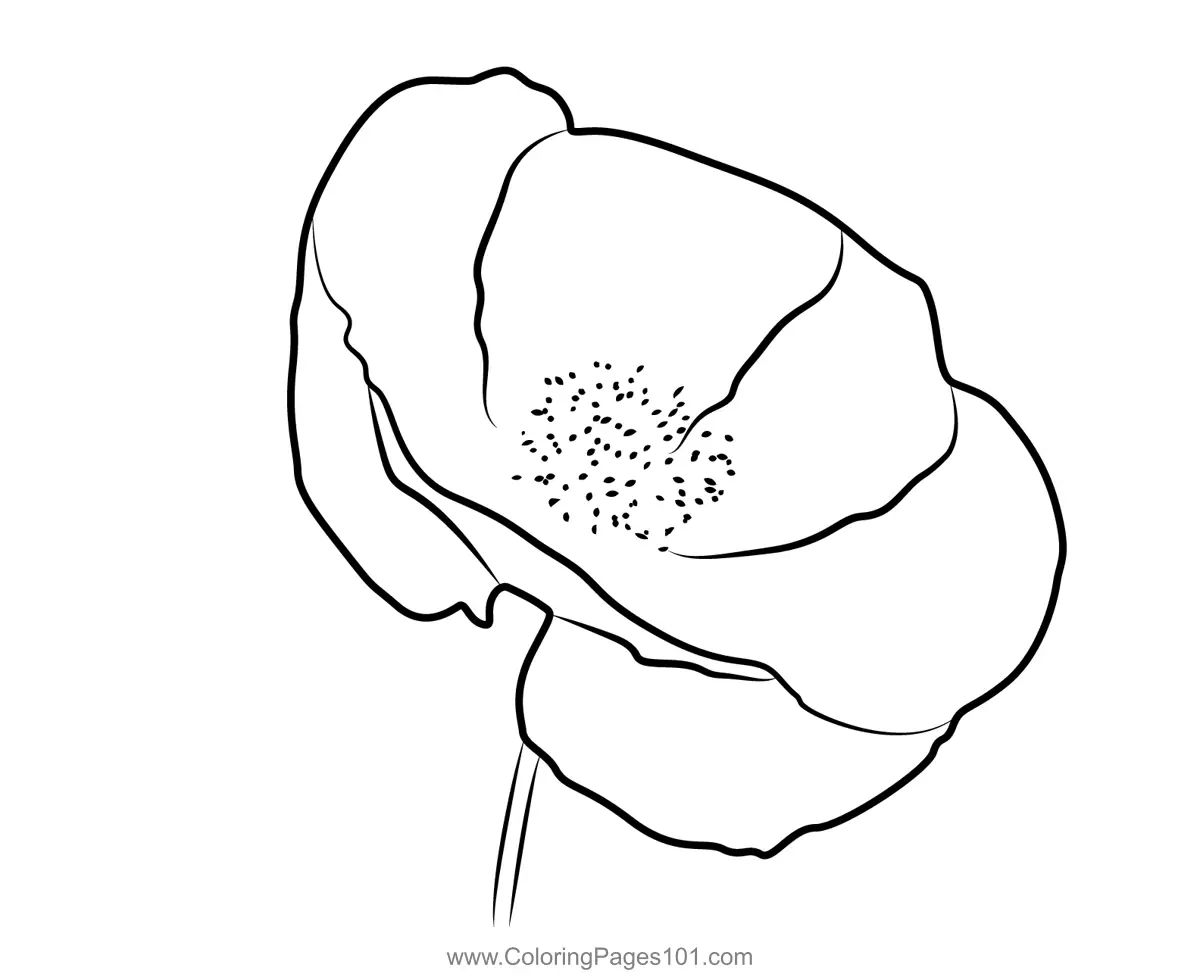
Poppy Coloring Pages
Discovering the perfect creative outlet for children and adults alike has never been easier than exploring the vibrant world of floral-themed artwork. Poppy coloring pages offer an exceptional opportunity to engage with nature's beauty while developing artistic skills and finding moments of peaceful relaxation. These stunning botanical illustrations capture the delicate petals, graceful stems, and intricate details that make poppies one of the most beloved flowers across cultures worldwide. At Magic Fingers Art, we've curated an extensive collection of printable designs that cater to every skill level, from simple outlines perfect for young artists to complex compositions that challenge experienced colorists seeking detailed projects.
The therapeutic benefits of working with floral designs extend far beyond simple entertainment. When you select poppy coloring pages from our collection, you're choosing an activity that promotes mindfulness, reduces stress, and encourages creative expression in ways that few other hobbies can match. Each illustration serves as a blank canvas waiting for your personal interpretation, whether you prefer realistic color schemes that mirror nature's palette or imaginative combinations that transform traditional flowers into fantastical creations. Our free coloring pages eliminate barriers to artistic exploration, ensuring everyone can access high-quality designs without financial constraints limiting their creative journey.
About poppy coloring pages
The poppy flower carries rich symbolism and historical significance that makes it particularly meaningful for artistic interpretation. These remarkable blooms have inspired artists, poets, and nature enthusiasts for centuries, representing everything from peaceful sleep and consolation to remembrance and resilience. When you choose poppy coloring pages from Magic Fingers Art, you're connecting with this deep cultural heritage while creating something uniquely personal. Our collection features various poppy species, including the iconic red field poppy, delicate California poppy, and exotic oriental varieties with their dramatic ruffled petals. Each coloring sheet has been carefully designed to highlight the distinctive characteristics that make these flowers so captivating, from their paper-thin petals to their distinctive seed pods and feathery foliage.
Understanding the botanical structure of poppies enhances your coloring experience significantly. These flowers typically feature four to six petals arranged in a cup-like formation around a prominent central stigma surrounded by numerous stamens. The petals often display a characteristic crinkled texture when fresh, which talented artists can suggest through thoughtful shading and color variation in their finished pieces. Our printable designs capture these subtle details, providing reference points that help colorists create more realistic and visually compelling artwork. Whether you're working on a single bloom showcased in elegant simplicity or a meadow scene filled with dozens of flowers swaying in an imaginary breeze, the pictures to color available through our platform offer endless possibilities for artistic interpretation and skill development.
The versatility of poppy coloring pages makes them suitable for numerous occasions and purposes beyond casual entertainment. Teachers frequently incorporate these coloring sheets into lesson plans about plant biology, seasonal changes, or cultural traditions like Remembrance Day commemorations. Therapists recommend floral coloring activities for clients managing anxiety, depression, or recovering from trauma, as the repetitive motions and focus required can provide grounding and emotional regulation. Parents appreciate having quality free coloring pages readily available for rainy day activities, quiet time alternatives, or creative projects that don't require extensive setup or cleanup. The accessibility of our printable resources means you can generate fresh content whenever inspiration strikes, without needing to purchase expensive coloring book collections or make special trips to craft stores.
How to get started with poppy coloring pages
Beginning your creative journey with poppy coloring pages requires minimal preparation and investment, making this hobby accessible to virtually everyone regardless of budget or experience level. First, browse through the extensive collection at Magic Fingers Art to find designs that resonate with your current mood and skill level. Our platform organizes pictures to color by complexity, style, and theme, allowing you to quickly locate exactly what you're seeking. Once you've selected your preferred design, simply click the download button to save the high-resolution file to your device. These printable files work with standard home printers, so you won't need specialized equipment to begin creating beautiful artwork immediately.
Selecting appropriate coloring materials significantly impacts your final results and overall enjoyment of the process. Colored pencils remain the most popular choice for poppy coloring pages because they offer excellent control, blend beautifully for creating gradients, and don't bleed through paper like some markers might. Quality matters more than quantity when building your collection—investing in a mid-range set of artist-grade pencils will produce far superior results compared to using dozens of cheap alternatives. Markers provide vibrant, saturated colors perfect for bold interpretations, while gel pens add metallic or glitter accents that make certain elements pop. Watercolor pencils combine the precision of colored pencils with the flowing effects of paint, offering a hybrid approach that works wonderfully for floral subjects. Experiment with different media to discover which tools feel most comfortable and produce effects that align with your artistic vision.
Paper selection deserves careful consideration when working with coloring sheets, particularly if you plan to use wet media or layer multiple applications of color. Standard printer paper works adequately for colored pencils and light marker use, but heavier cardstock prevents warping and provides a more substantial feel that many artists prefer. The weight of paper is measured in pounds (lb) or grams per square meter (gsm), with 80-110 lb (200-300 gsm) cardstock offering excellent durability without being prohibitively expensive. Texture also influences your results—smooth paper allows for even color application and fine detail work, while slightly textured surfaces help colored pencil pigment adhere better and can create interesting visual effects. Many colorists to print multiple copies of favorite designs, allowing them to experiment with different color schemes or techniques without fear of ruining their only version.
Poppy coloring pages - creative coloring ideas
Exploring unconventional color palettes transforms traditional poppy coloring pages into extraordinary artistic statements that reflect your unique perspective. While realistic red poppies certainly have their place, don't hesitate to reimagine these flowers in unexpected hues like deep purples, vibrant blues, or sunset oranges. Monochromatic schemes using various shades of a single color create sophisticated, cohesive compositions that demonstrate advanced color theory understanding. Analogous color combinations—selecting hues that sit adjacent on the color wheel—produce harmonious results with subtle visual interest. Complementary pairings, using colors opposite each other on the wheel, generate dynamic contrast that makes elements stand out dramatically. Our free coloring pages provide the perfect low-risk environment for experimenting with bold choices you might hesitate to attempt in more permanent art forms.
Shading techniques elevate simple coloring pictures into dimensional artwork that appears to lift off the page. Start by identifying your light source direction—typically from the upper left in Western artistic traditions—then apply lighter colors to areas receiving direct illumination while gradually deepening tones in shadowed regions. Burnishing, a technique where you apply heavy pressure with a light-colored pencil over previously laid colors, creates smooth, polished surfaces that beautifully represent poppy petals' delicate translucency. Stippling involves creating tone through countless tiny dots rather than solid color application, producing textured effects perfect for suggesting the fuzzy stems and seed pods characteristic of many poppy varieties. Cross-hatching with colored pencils builds rich, complex hues through overlapping directional strokes, allowing you to mix colors optically rather than physically blending them.
Background development transforms individual flower portraits into complete compositions that tell visual stories. Rather than leaving the space around your poppies blank, consider adding contextual elements that enhance the overall impact. Simple gradient backgrounds transitioning from light to dark create depth without competing for attention with the main subject. Geometric patterns or abstract shapes provide contemporary contrast to organic floral forms. Landscape elements like rolling hills, distant trees, or cloudy skies place your poppies within recognizable environments. Some artists prefer leaving backgrounds white but adding subtle shadows beneath flowers to ground them visually. The printable nature of our coloring sheets means you can test multiple background approaches on identical flower designs, comparing results to determine which techniques you find most effective and enjoyable.
Seasonal interpretations offer fresh perspectives on poppy coloring pages throughout the year. Spring versions might feature bright, cheerful colors with pastel backgrounds suggesting renewal and growth. Summer designs could incorporate intense, saturated hues reflecting the season's vibrant energy. Autumn interpretations might use warm oranges, deep reds, and golden yellows that echo falling leaves and harvest themes. Winter poppies could be rendered in cool blues and purples against snowy white backgrounds, creating unexpected but visually striking combinations. Holiday-themed variations allow you to customize pictures to color for specific celebrations—patriotic red, white, and blue schemes for national holidays, or romantic pinks and reds for Valentine's Day. This adaptability ensures that poppy coloring pages remain relevant and engaging regardless of the calendar date or current season.
Why poppy coloring pages benefit all ages
Children develop crucial fine motor skills and hand-eye coordination through the focused movements required when working with coloring pages. Staying within lines challenges young artists to control their hand movements precisely, building the same muscle memory and dexterity needed for handwriting and other academic tasks. Color recognition and naming become natural learning opportunities as children discuss their choices and experiment with combinations. Following multi-step processes—selecting a design, choosing colors, completing sections systematically—teaches planning and organizational skills that transfer to other areas of life. The sense of accomplishment children experience upon completing a coloring sheet builds confidence and encourages persistence when facing challenging tasks. Unlike many digital entertainments, coloring provides screen-free engagement that doesn't overstimulate developing minds or disrupt sleep patterns.
Adults discover that poppy coloring pages offer unexpected stress relief and mental health benefits in our increasingly hectic modern world. The repetitive, focused nature of coloring activates the same relaxation response triggered by meditation, lowering heart rate and reducing cortisol levels associated with chronic stress. Unlike some hobbies requiring significant mental effort or decision-making, coloring provides a gentle cognitive engagement that allows worried minds to rest while still remaining productively occupied. Many adults report entering "flow states" during extended coloring sessions—that optimal psychological condition where time seems to disappear and self-consciousness fades as you become fully absorbed in the activity. This accessible form of art therapy doesn't require previous artistic training or natural talent, making it an inclusive hobby that welcomes everyone regardless of their creative background or perceived abilities.
Senior citizens particularly benefit from the cognitive stimulation that coloring pictures provide while remaining accessible despite physical limitations that might prevent other hobbies. The activity helps maintain fine motor control and hand strength, potentially delaying age-related dexterity decline. Color selection and composition planning engage decision-making processes and visual-spatial reasoning, providing gentle mental exercise that supports cognitive health. Social coloring groups in senior centers and assisted living facilities combat isolation while creating opportunities for meaningful interaction around shared creative pursuits. The nostalgic element of returning to a childhood activity often triggers positive memories and conversations about earlier life experiences. Unlike physically demanding hobbies, coloring accommodates various ability levels and can be enjoyed while seated comfortably, making it sustainable even as mobility decreases with advancing age.
Maximizing your experience with printable resources
Organizing your collection of free coloring pages ensures you can quickly locate specific designs when inspiration strikes. Create digital folders categorized by subject, complexity level, or intended use—separating quick projects from elaborate pieces requiring multiple sessions. Many colorists maintain both digital archives and physical binders containing printed favorites, allowing them to browse options without needing device access. Dating completed works and noting the materials used helps track your artistic development over time and reminds you which combinations produced particularly satisfying results. Some enthusiasts photograph or scan finished pieces before gifting them or using them for other purposes, building digital galleries documenting their creative journey. This documentation becomes increasingly valuable as you develop your skills and want to reflect on your progress.
Printer settings significantly affect the quality of your printable designs, so understanding basic adjustments optimizes your results. Select the highest quality or "best" print setting rather than draft mode to ensure crisp lines and clear details. Adjust your printer's color settings to grayscale or black-and-white when printing line art to avoid unintended color tints that might interfere with your chosen palette. The "fit to page" option ensures designs print at maximum size for your paper, though you might occasionally prefer scaling down to create smaller versions for quick projects or testing color schemes. Borderless printing eliminates white margins for a more polished appearance, though this feature isn't available on all printer models. Experimenting with these settings helps you understand how to achieve optimal results with your specific equipment.
Preserving completed poppy coloring pages protects your artistic investments and allows you to enjoy them for years to come. Fixative sprays designed for colored pencil work prevent smudging and color transfer, particularly important if you plan to handle pieces frequently or display them without glass protection. Archival-quality page protectors shield finished works from dust, moisture, and accidental damage while allowing you to organize them in binders for easy viewing. Framing favorite pieces transforms them into legitimate artwork worthy of wall display, validating the time and effort invested in their creation. UV-protective glass or acrylic prevents fading when displaying colored pieces in areas receiving direct sunlight. Digital preservation through high-quality scanning creates backup copies and enables sharing your work through social media or online communities dedicated to coloring enthusiasts worldwide.
Building community through shared creativity
Connecting with fellow coloring enthusiasts enriches your experience with poppy coloring pages beyond the solitary creative process. Online communities dedicated to adult coloring provide platforms for sharing completed works, exchanging technique tips, and discovering new artists whose coloring book designs you might enjoy. Social media hashtags help you find inspiration and connect with others who share your passion for floral subjects specifically. Local coloring groups meeting in libraries, coffee shops, or community centers offer face-to-face interaction and the opportunity to see others' techniques in real-time. These gatherings often become anticipated social events where friendships develop around shared creative interests. The non-competitive, supportive atmosphere typical of coloring communities makes them particularly welcoming for people who might feel intimidated by more traditional art groups.
Sharing your completed coloring sheets contributes to the broader creative community while potentially inspiring others to begin their own artistic journeys. Posting finished pieces with thoughtful descriptions of your process, materials used, and challenges overcome provides valuable information for less experienced colorists seeking guidance. Constructive feedback from community members helps identify areas for improvement while celebrating your successes and unique stylistic choices. Many colorists find that explaining their techniques to others deepens their own understanding and pushes them to articulate intuitive processes