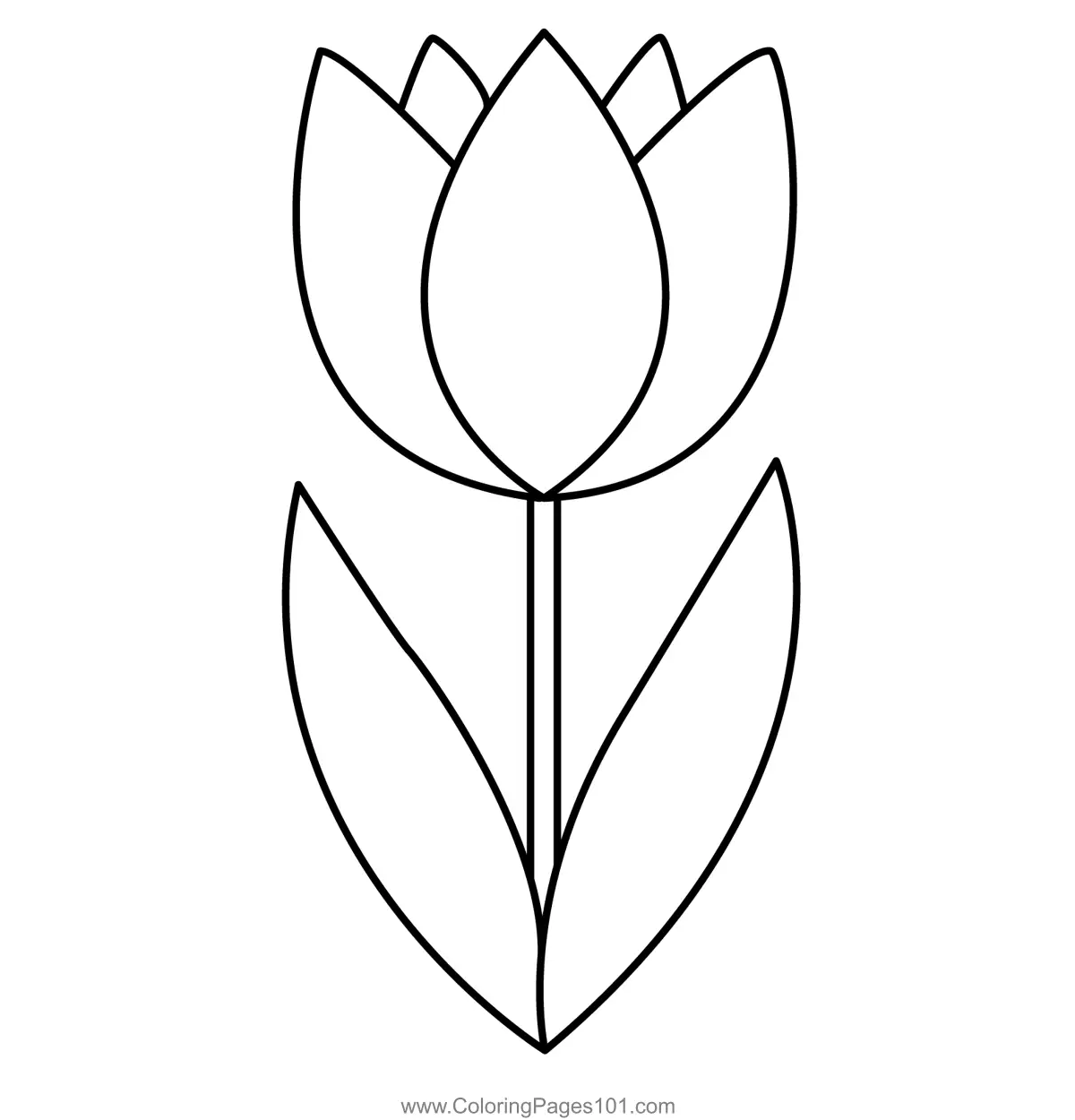
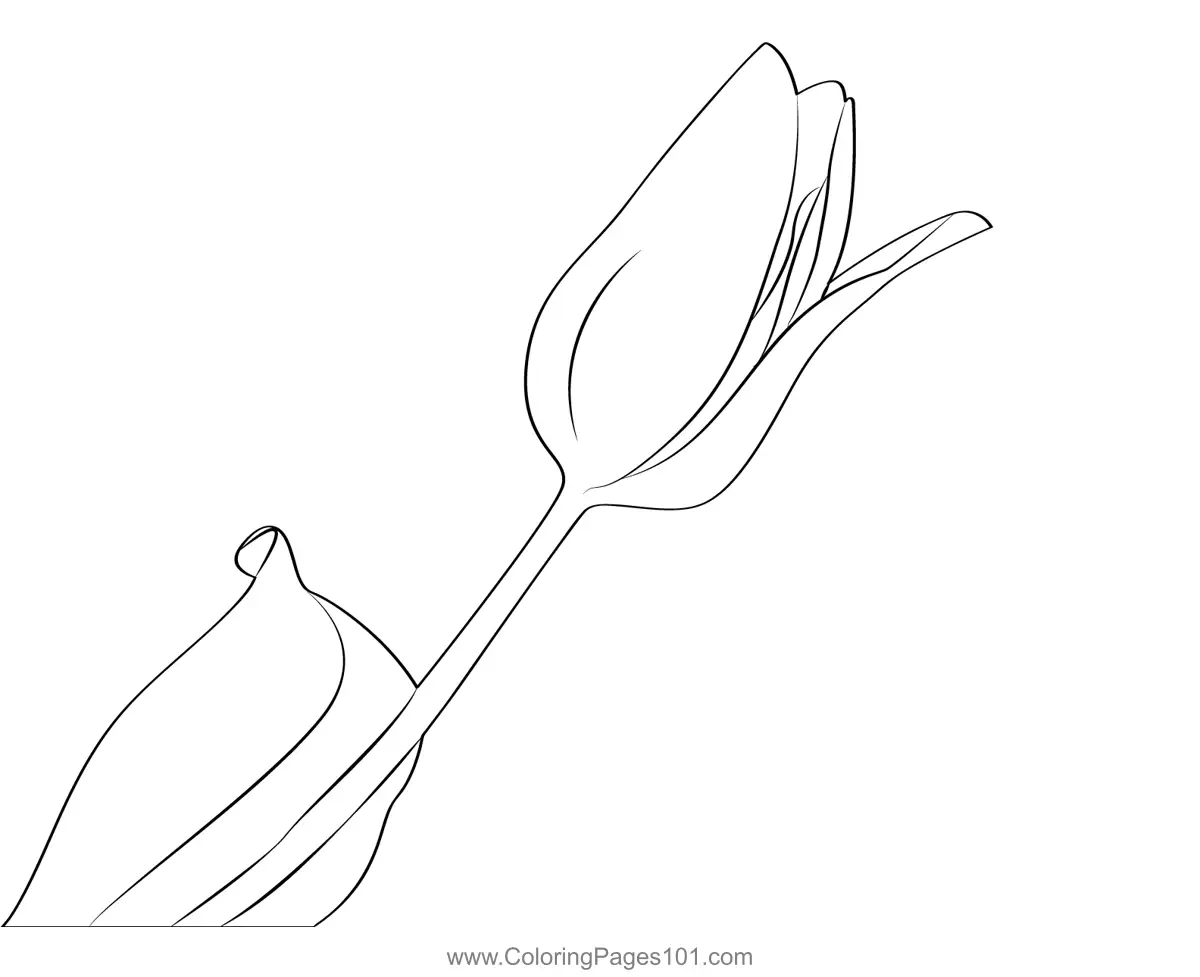
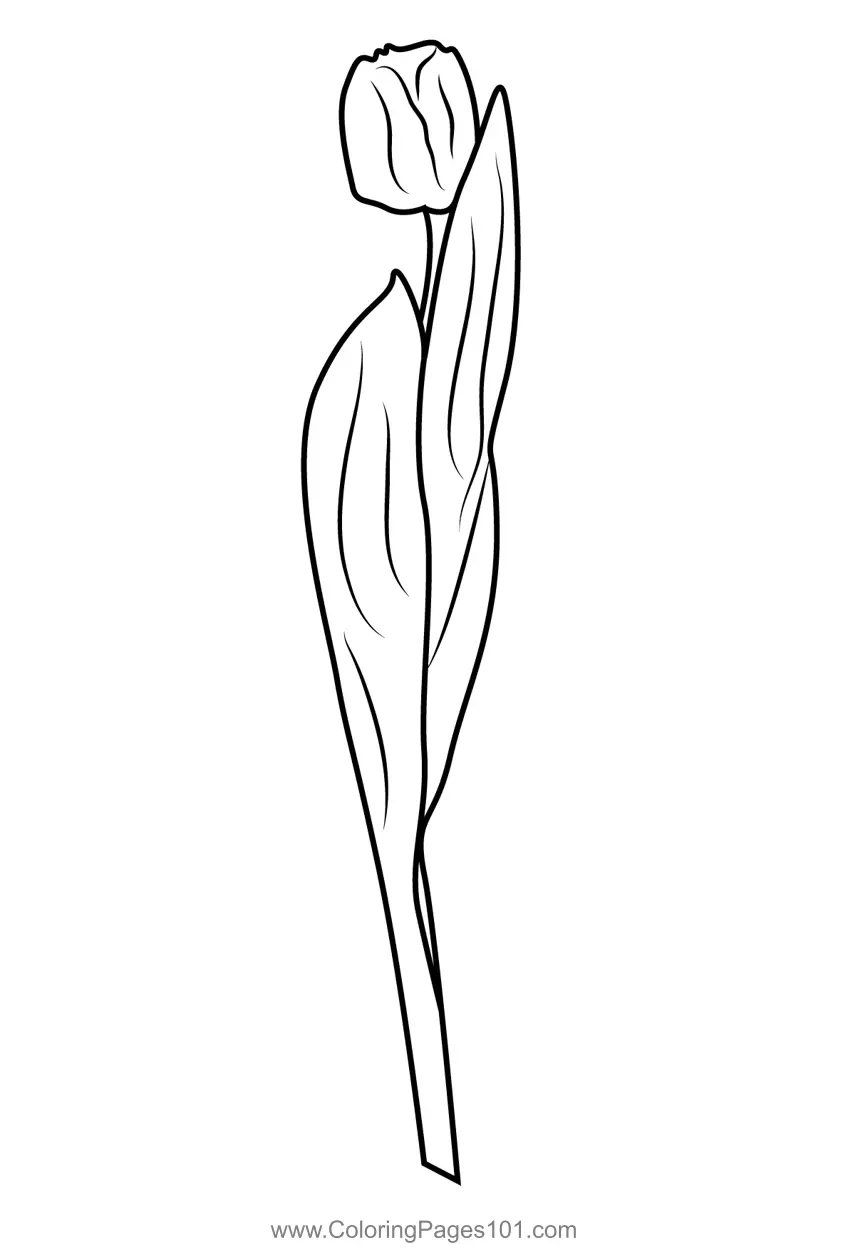
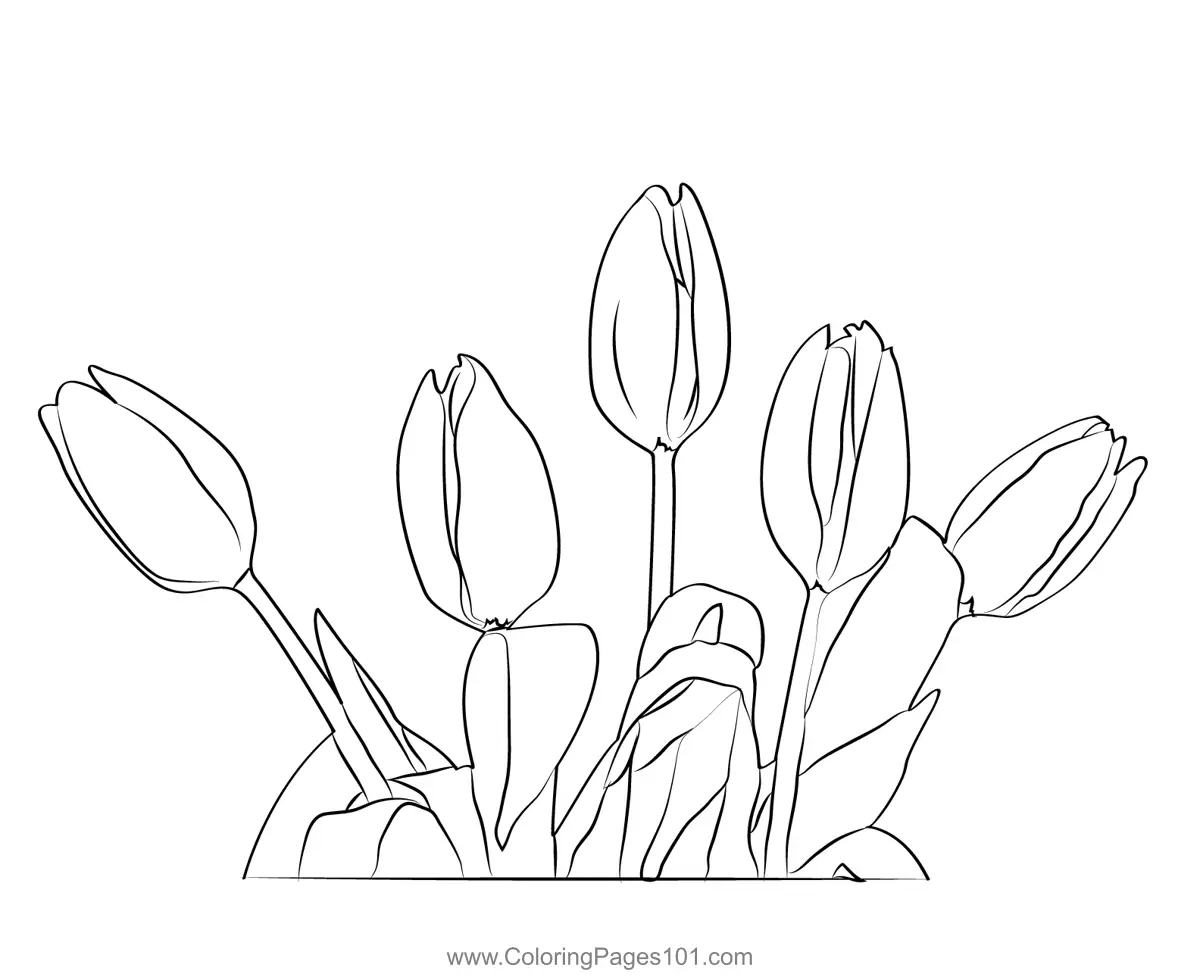
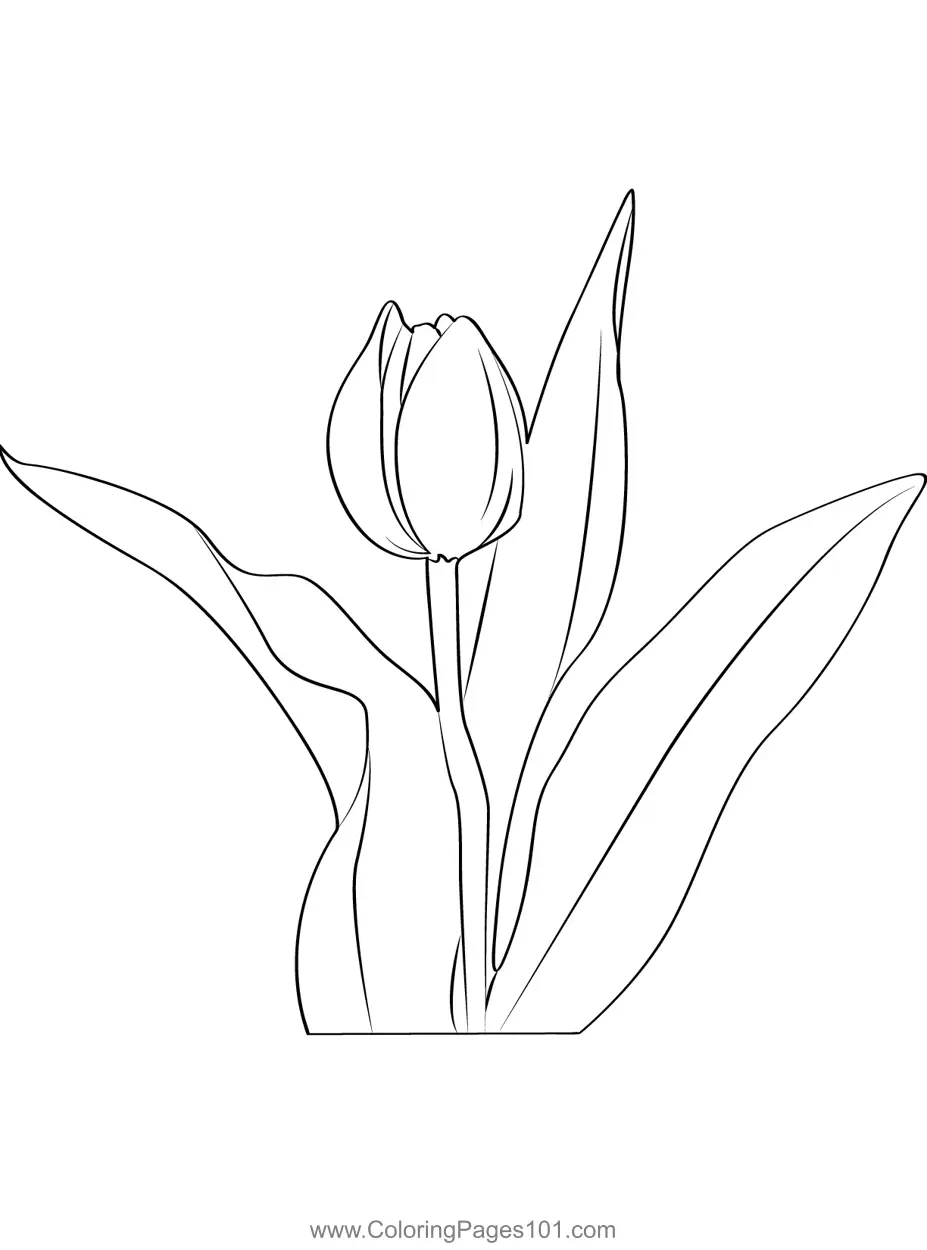
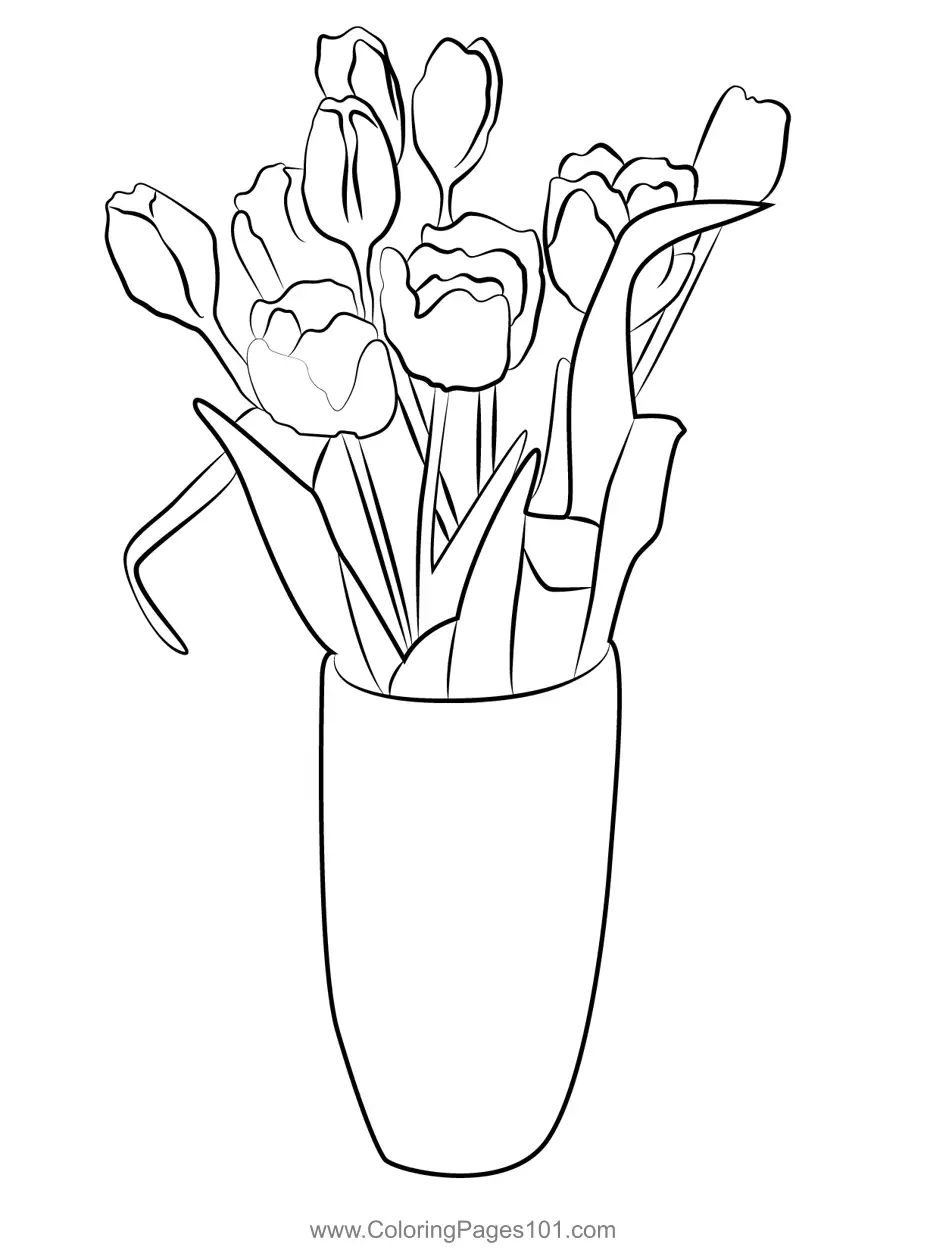
Tulips Coloring Pages
Discovering the perfect artistic outlet for children and adults alike can transform ordinary afternoons into memorable creative experiences. Tulips coloring pages offer an exceptional opportunity to explore botanical beauty while developing fine motor skills and artistic expression. At Magic Fingers Art, we've curated an extensive collection of tulip-themed designs that cater to various skill levels, from simple outlines for young artists to intricate patterns for experienced colorists. These elegant spring flowers provide endless inspiration, with their graceful curves and distinctive petal formations making them ideal subjects for anyone seeking relaxation through art. Whether you're looking to introduce children to the wonders of nature or searching for a meditative activity after a long day, our carefully designed sheets deliver exactly what creative minds need.
About tulips coloring pages
The timeless appeal of tulips has captivated artists and garden enthusiasts for centuries, making these magnificent blooms perfect candidates for coloring pictures that inspire creativity across generations. Our collection at Magic Fingers Art features dozens of unique designs showcasing tulips in various arrangements—from single stems standing proud to elaborate garden scenes bursting with floral abundance. Each design has been meticulously crafted by professional illustrators who understand the delicate balance between artistic challenge and accessible fun. The printable format ensures that you can access these beautiful designs whenever inspiration strikes, without worrying about internet connectivity or device limitations. Parents and educators particularly appreciate how these free coloring pages serve multiple purposes: they teach botanical recognition, encourage color theory exploration, and provide screen-free entertainment that promotes concentration and patience. The therapeutic benefits extend beyond childhood, as adults discover that filling these intricate petal patterns with vibrant hues offers a powerful stress-relief mechanism. Our tulip designs range from realistic botanical illustrations that could grace scientific journals to whimsical interpretations featuring smiling flowers and fantasy elements that spark imagination. This diversity ensures that whether you're seeking educational materials for a classroom lesson about spring flowers or simply want relaxing evening entertainment, our tulips coloring pages deliver exceptional value.
How to Get Started
Beginning your coloring journey with our tulips coloring pages couldn't be simpler or more convenient. Magic Fingers Art has streamlined the entire process so that within minutes, you can have beautiful pictures to color ready at your fingertips. Simply browse through our extensive gallery of tulip designs, where you'll find everything from minimalist single-flower compositions to complex garden landscapes teeming with botanical detail. Once you've selected your preferred design, click the download button to save the high-resolution file directly to your device. These files are optimized for standard home printers, ensuring crisp lines and clear details regardless of your printer model. If you prefer immediate action, use the to print function that sends your chosen design straight to your printer without additional steps. We recommend using medium-weight paper for best results, as it prevents color bleeding while providing enough substance to withstand various coloring mediums. Colored pencils work beautifully for detailed shading and blending, while markers create bold, vibrant statements that make petals practically leap off the page. Watercolor enthusiasts should consider printing on specialized watercolor paper for optimal absorption and color distribution. Before diving into your first page, gather your coloring supplies and create a comfortable workspace with good lighting—natural daylight works wonderfully for accurate color perception. Many users find it helpful to look at photographs of real tulips for color inspiration, though there's absolutely no requirement to stick with realistic hues. Purple tulips with orange centers, rainbow-striped petals, or even metallic gold blooms are entirely valid artistic choices that showcase personal creativity. The beauty of our coloring sheets lies in their flexibility; there are no mistakes, only opportunities for unique expression.
Tulips coloring pages - Creative Coloring Ideas
Elevating your experience with tulips coloring pages involves exploring techniques and approaches that transform simple line art into stunning masterpieces worthy of display. Consider experimenting with color gradients within individual petals, starting with a deep, saturated hue at the base and gradually lightening toward the petal tips to create dimensional realism. This shading technique mimics how natural light interacts with flower surfaces, adding depth that makes your artwork appear three-dimensional. Another engaging approach involves creating themed coloring book collections where you maintain consistent color palettes across multiple pages—perhaps a pastel spring series featuring soft pinks, lavenders, and buttery yellows, or a bold contemporary collection using unexpected color combinations like teal and coral. Advanced colorists might incorporate mixed media elements by adding glitter to petal centers, using gel pens for highlight accents, or even collaging small pieces of decorative paper onto stems and leaves. Children particularly enjoy turning their completed free coloring pages into functional items: laminate finished artwork to create placemats, bookmarks, or greeting cards that make thoughtful handmade gifts for grandparents and teachers. Educational opportunities abound when you research actual tulip varieties before coloring—learning about the striking black centers of certain cultivars or the flame-like streaks found in Rembrandt tulips can inform your artistic choices while expanding botanical knowledge. Seasonal activities become more special when you coordinate your coloring sessions with spring gardening projects, perhaps coloring tulip pages while waiting for real bulbs to bloom in your garden. Group coloring sessions offer wonderful social opportunities where family members or friends work on identical printable designs, then compare their vastly different interpretations—a powerful reminder that creativity knows no boundaries. For those seeking meditative benefits, try coloring the same tulip design multiple times using different color schemes, noticing how your mood and energy shift with each palette choice. The repetitive motion of coloring combined with the organic shapes of tulip petals creates a mindfulness practice that calms racing thoughts and centers attention on the present moment.
Bringing Your Tulip Artwork to Life
After investing time and creativity into your tulips coloring pages, you'll want to showcase these beautiful creations in ways that honor your artistic effort. Framing completed pages transforms them from simple coloring pictures into legitimate artwork that deserves wall space alongside professionally created pieces. Inexpensive frames from craft stores work perfectly, or you can create a gallery wall featuring multiple tulip designs in coordinating frames for dramatic visual impact. Rotating displayed artwork seasonally keeps your décor fresh while giving you motivation to continue exploring new designs from the Magic Fingers Art collection. Digital preservation offers another dimension to your coloring hobby—photograph or scan your finished pages to create digital portfolios that document your artistic progression over time. These digital files can be shared on social media platforms where coloring communities gather to exchange techniques, offer encouragement, and celebrate each other's creativity. Some enthusiasts use their completed coloring sheets as wrapping paper for special gifts, adding a deeply personal touch that recipients treasure far more than commercial alternatives. Teachers and homeschooling parents find that displaying student-colored tulip pages creates an encouraging classroom environment that validates effort and celebrates individual artistic voices. The practical applications extend to therapeutic settings where art therapists use flower coloring activities to help clients process emotions, reduce anxiety, and build self-esteem through creative accomplishment. Consider starting a personal coloring journal where you paste completed pages alongside notes about your emotional state, color choices, and any significant events from that day—over time, this creates a unique visual diary that captures your journey through both art and life. The versatility of tulips coloring pages from Magic Fingers Art means they adapt beautifully to whatever purpose serves your needs, whether that's pure entertainment, educational enrichment, therapeutic support, or serious artistic exploration.
Why Tulip Designs Captivate Colorists of All Ages
The enduring popularity of tulips coloring pages stems from the flower's perfect combination of simple elegance and complex possibility. Unlike flowers with overwhelming petal counts or confusing structures, tulips present clean, recognizable shapes that beginners can approach with confidence while still offering enough detail to challenge experienced artists. Young children develop hand-eye coordination and color recognition skills as they work to keep their chosen hues within the bold petal outlines, experiencing the satisfaction of completed projects that genuinely resemble the intended subject. Older students appreciate how tulip designs connect to curriculum topics ranging from botany and life cycles to cultural studies exploring the historical significance of tulips in Dutch culture and the famous tulip mania economic bubble. Adults rediscovering creativity after years focused on practical responsibilities find that pictures to color featuring tulips provide a gentle reintroduction to artistic expression without the intimidation factor of blank canvases or complex techniques. The symbolic meanings associated with tulips—perfect love, rebirth, and spring renewal—add emotional resonance to the coloring experience, making each completed page feel meaningful beyond mere decoration. Seasonal relevance gives tulip designs natural peaks in popularity during spring months, though their cheerful appearance makes them welcome year-round, especially during dreary winter days when colorful flowers provide psychological sunshine. The variety available within the tulip family itself ensures endless design possibilities: parrot tulips with their ruffled, feather-like petals create intricate coloring challenges, while classic cup-shaped varieties offer satisfying simplicity. Magic Fingers Art continuously expands our tulip collection based on user feedback and emerging design trends, ensuring that returning visitors always discover fresh options alongside beloved favorites. This commitment to quality and variety has established our free coloring pages as trusted resources for families, educators, and art therapy professionals who depend on reliable, engaging materials.
Maximizing the Educational Value of Flower Coloring
Transforming tulips coloring pages from simple entertainment into powerful educational tools requires minimal effort but yields substantial developmental benefits. Parents and teachers can enhance learning by pairing coloring sessions with age-appropriate information about tulip biology, discussing how bulbs store energy underground during winter dormancy before sending up shoots when soil temperatures rise. Younger children grasp basic concepts like plant parts—roots, stems, leaves, and flowers—by identifying and coloring each component in different colors, creating visual distinction that reinforces vocabulary. Older students might research the photosynthesis process, then use their coloring book pages to diagram how tulip leaves capture sunlight and convert it to energy, adding arrows and labels to transform artwork into scientific illustrations. Geography lessons come alive when you explore tulip origins in Central Asia, their journey along the Silk Road, and their eventual association with Netherlands culture, perhaps coloring traditional Dutch costumes alongside tulip gardens. Mathematics integration happens naturally when you count petals, measure stem lengths on printed pages, or create patterns using repeated tulip motifs in specific color sequences. Language arts activities flourish when children write creative stories about their colored tulips—perhaps imagining the flower's perspective as it grows from bulb to bloom, or creating poetry inspired by the colors they've chosen. Art history connections emerge through studying famous tulip paintings by Dutch masters, then attempting to recreate their color palettes on your own printable pages. These cross-curricular applications demonstrate how a simple coloring sheet becomes a springboard for comprehensive learning that engages multiple intelligences and learning styles. Magic Fingers Art supports these educational applications by providing designs with varying complexity levels, ensuring that materials match developmental stages from preschool through adult education settings.
The Therapeutic Power of Coloring Tulips
Mental health professionals increasingly recognize that tulips coloring pages offer genuine therapeutic benefits extending far beyond casual hobby status. The repetitive, rhythmic motion of coloring activates the same neural pathways as meditation, triggering relaxation responses that lower cortisol levels and reduce physiological stress markers. Unlike meditation practices that some find frustratingly abstract, coloring provides concrete focus points that anchor wandering minds to the present moment through tactile engagement and visual concentration. The low-stakes nature of free coloring pages eliminates performance anxiety—there's no "wrong" way to color a tulip, freeing participants from the perfectionism that often blocks creative expression. Art therapists working with trauma survivors appreciate how flower coloring offers safe emotional processing; clients can project feelings onto their color choices and petal patterns without requiring verbal articulation that might feel too vulnerable. Geriatric care facilities incorporate tulip coloring pictures into programming for residents with dementia, finding that the familiar flower shapes trigger positive memories while the activity maintains fine motor skills and provides purposeful engagement. Occupational therapists use detailed tulip designs to help stroke patients regain hand strength and coordination, with the appealing subject matter increasing motivation compared to abstract therapeutic exercises. Chronic pain management programs teach patients to use coloring as a distraction technique, redirecting attention from discomfort to the pleasant task of selecting colors and filling shapes. The accessibility of to print designs means therapeutic coloring isn't limited to clinical settings—individuals can maintain their practice at home, creating continuity of care and self-directed wellness routines. Support groups for anxiety and depression often begin or end sessions with brief coloring periods, using the activity to ease social tension and create comfortable silence that doesn't feel awkward. The completed pages serve as tangible evidence of time well spent, countering the sense of wasted hours that often accompanies mental health struggles.
Building Community Through Shared Coloring Passion
The solitary nature of coloring doesn't preclude vibrant community connections among enthusiasts who share passion for tulips coloring pages and botanical art. Online forums and social media groups dedicated to adult coloring have exploded in popularity, creating spaces where members post their completed pictures to color, exchange technique tips, and offer encouragement during creative slumps. These digital communities transcend geographic boundaries, connecting a grandmother in rural Kansas with a college student in Tokyo through their mutual appreciation for tulip designs. Local coloring clubs meet in libraries, coffee shops, and community centers, providing face-to-face interaction that combats isolation while pursuing a shared interest. Magic Fingers Art encourages this community building by featuring user-submitted colored pages in our gallery, celebrating the diverse interpretations that emerge when different artists approach identical printable designs. Collaborative projects add another dimension, such as community murals where dozens of individuals color separate tulip pages that are then assembled into massive floral displays for public spaces. Charitable initiatives harness coloring enthusiasm for good causes—groups color pages that are compiled into books sold to raise funds for hospitals, schools, or disaster relief efforts. Intergenerational programs pair young children with senior citizens for joint coloring sessions, fostering relationships that benefit both age groups through skill sharing and companionship. Workplace wellness programs incorporate coloring breaks, providing coloring sheets in break rooms where stressed employees can decompress for fifteen minutes before returning to demanding tasks. Book clubs and hobby groups add coloring components to