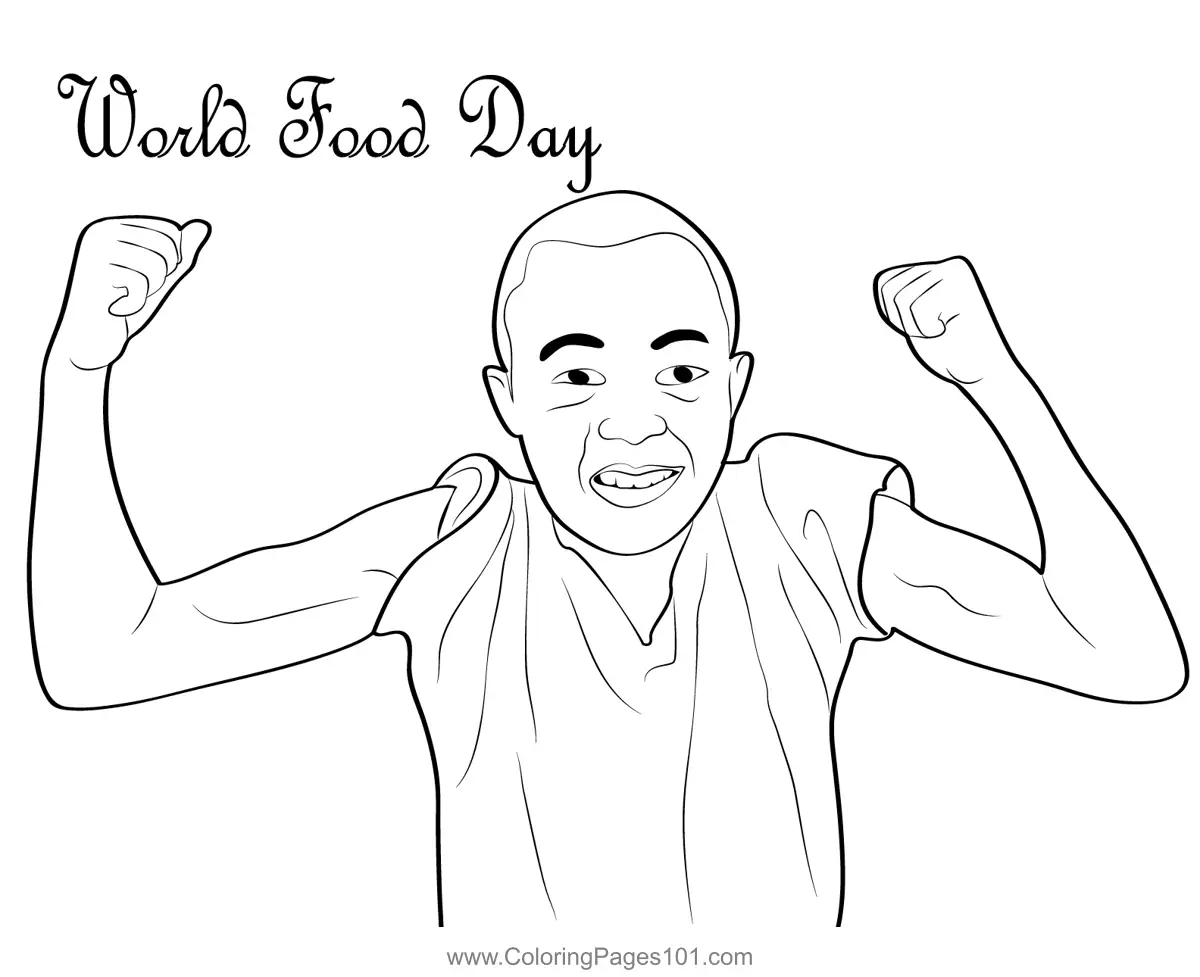
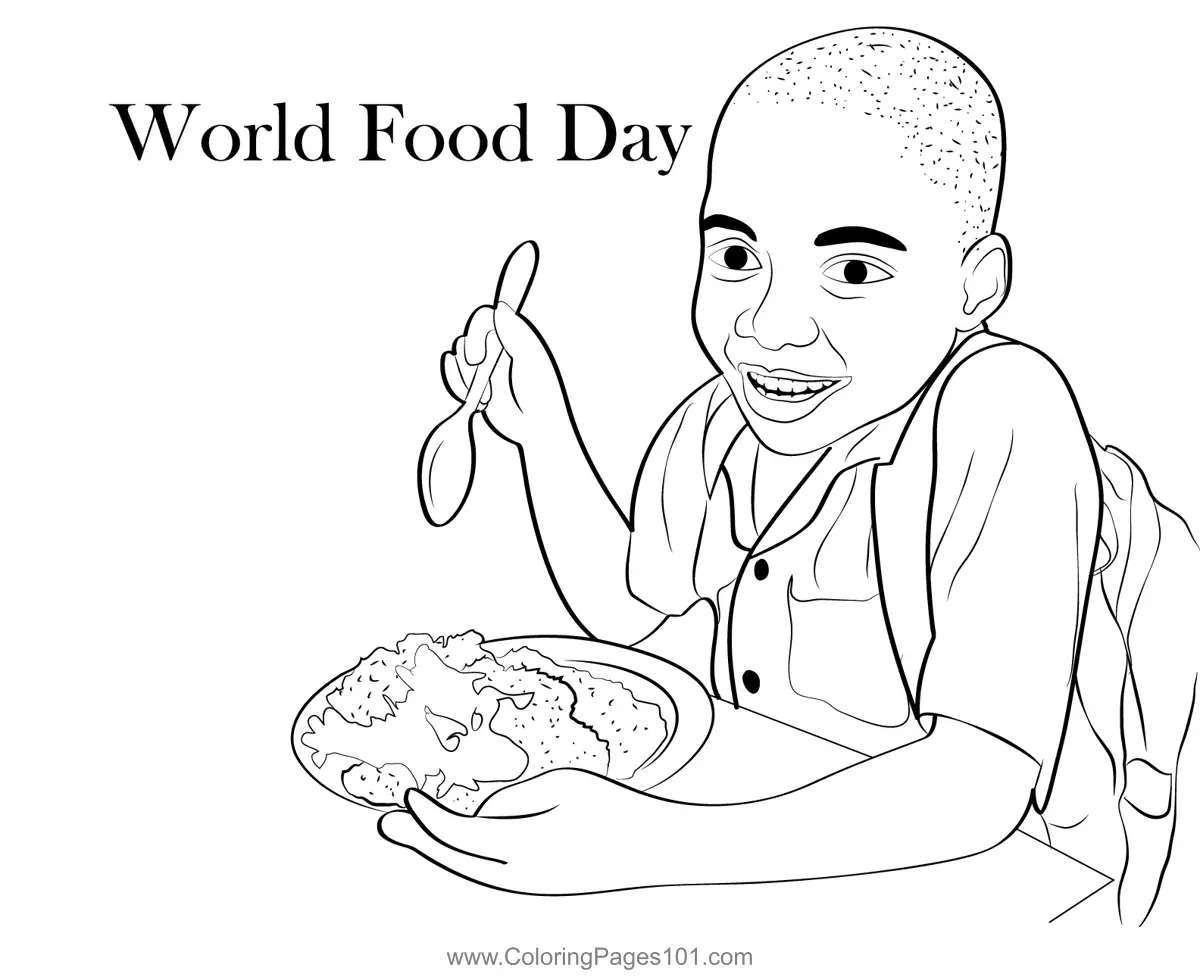
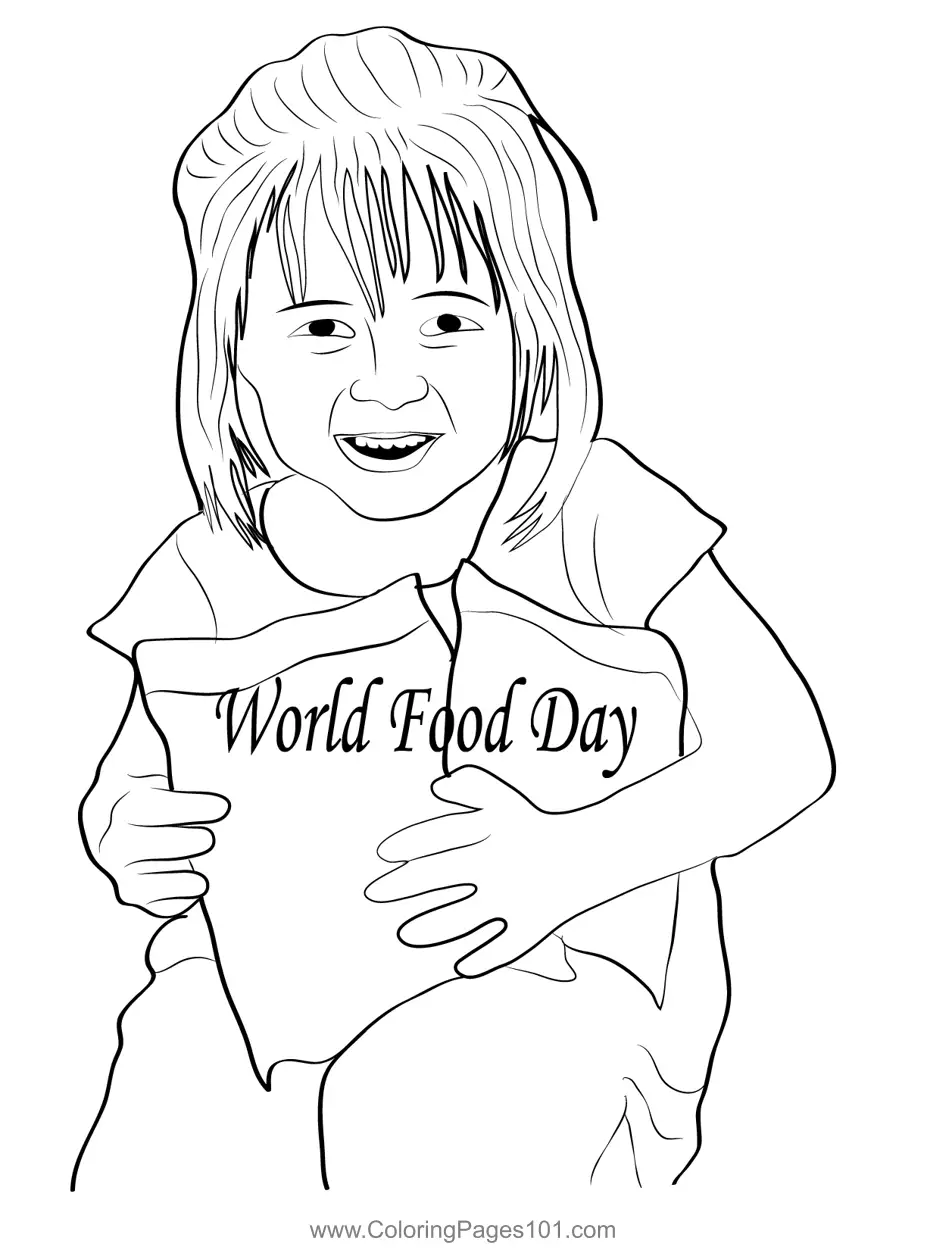
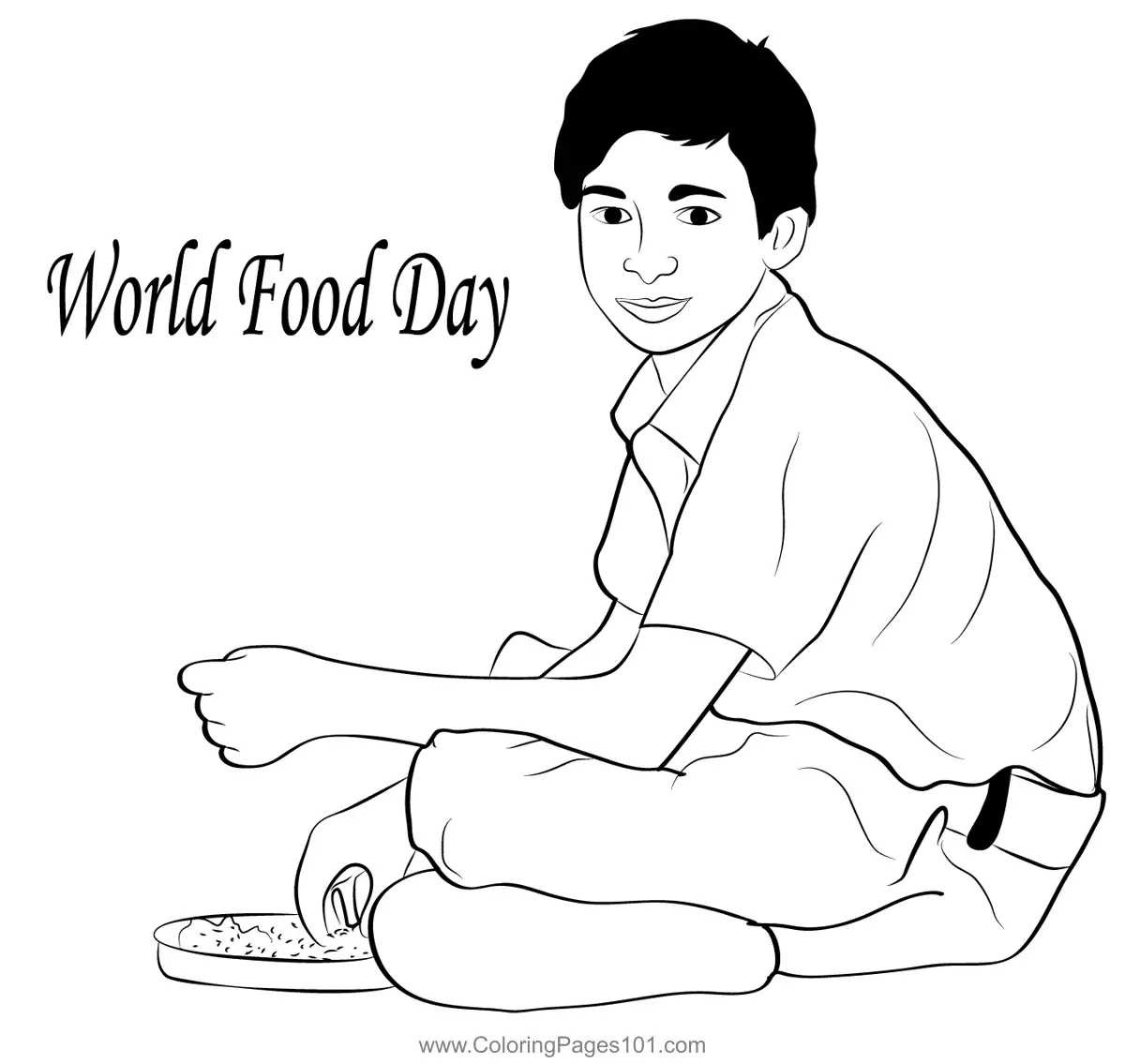
World Food Day Coloring Pages
Celebrating global awareness through artistic expression has never been more accessible than with World Food Day coloring pages available at Magic Fingers Art. These thoughtfully designed resources offer children and adults alike an opportunity to explore themes of nutrition, agriculture, and worldwide food security while engaging in a relaxing, creative activity. Every October 16th marks this significant observance, and what better way to commemorate it than through vibrant illustrations that educate and inspire? Our collection features diverse imagery showcasing farmers, crops, healthy meals, and international cuisine that brings the importance of sustainable food systems to life through art.
The beauty of utilizing coloring pictures centered around this meaningful day lies in their dual purpose—entertainment combined with education. Young learners can discover different food groups while selecting colors for fruits, vegetables, grains, and proteins depicted in our carefully curated designs. Parents and educators appreciate how these printable resources seamlessly integrate lessons about global hunger, agricultural practices, and nutritional awareness into enjoyable activities. Each illustration serves as a conversation starter about where our meals originate, the hard work behind food production, and why everyone deserves access to adequate nourishment regardless of geographic location or economic circumstances.
About World Food Day coloring pages
Magic Fingers Art proudly presents an extensive collection of World Food Day coloring pages that capture the essence of this vital international observance. Our designers have crafted each image with attention to detail, ensuring that every coloring sheet reflects authentic representations of agricultural practices, diverse cuisines, and the human connection to sustenance. From illustrations depicting community gardens to scenes showing families sharing meals together, these free coloring pages encompass the multifaceted nature of food security and celebration. The artwork ranges from simple designs perfect for younger children just developing fine motor skills to intricate patterns that challenge experienced colorists seeking meditative engagement with meaningful subject matter.
What distinguishes our coloring book selections is the thoughtful incorporation of educational elements without sacrificing artistic appeal. Each design tells a story—whether it's a farmer harvesting wheat under a golden sun, children planting seeds in rich soil, or a table laden with nutritious foods from various cultures. These pictures to color serve as windows into understanding how interconnected our global food systems truly are, making abstract concepts tangible through visual representation. Teachers frequently incorporate these resources into lesson plans about geography, science, social studies, and health education, finding that students retain information more effectively when learning involves hands-on creative expression rather than passive consumption of facts.
How to Get Started
Accessing our World Food Day coloring pages couldn't be simpler—Magic Fingers Art has streamlined the process so you can begin your artistic journey within moments. Browse through our carefully organized gallery where each thumbnail preview allows you to assess which designs resonate with your interests or educational objectives. Once you've identified the perfect coloring pictures, simply click the download button to save high-resolution files directly to your device. Our platform supports various formats optimized for both digital coloring applications and traditional printable versions that maintain crisp lines and clear details when transferred to paper.
For those who prefer physical copies, the to print functionality ensures professional-quality results whether you're using a home printer or professional printing service. We recommend using heavier cardstock for younger children who tend to press harder with crayons or markers, while standard printer paper works beautifully for colored pencils and fine-tipped pens. Consider printing multiple copies of favorite designs—this allows experimentation with different color schemes and techniques without worry about making mistakes. Many families create annual traditions around World Food Day, printing fresh coloring sheets each October and comparing how artistic skills and perspectives have evolved over time. This practice transforms simple coloring activities into cherished keepsakes that document personal growth while reinforcing important messages about global food consciousness.
World Food Day coloring pages - Creative Coloring Ideas
Maximizing the potential of World Food Day coloring pages involves thinking beyond basic crayon application and exploring diverse artistic techniques that bring these illustrations to vivid life. Consider using watercolor pencils to create soft, blended backgrounds that make foreground elements pop with dimension and depth. This approach works particularly well with scenes depicting landscapes, farms, or market settings where atmospheric perspective enhances realism. Alternatively, experiment with mixed media by combining traditional coloring tools with collage elements—cut images of actual food items from magazines and incorporate them into your coloring book pages for striking three-dimensional effects that blur the line between illustration and assemblage art.
Another engaging approach involves using these free coloring pages as foundations for broader creative projects. After completing a design, children might write stories about the characters or scenes depicted, developing narrative skills while reinforcing lessons about nutrition and food systems. Older students could research the origins of foods shown in their chosen pictures to color, then annotate their finished artwork with interesting facts about cultivation methods, nutritional benefits, or cultural significance. Some educators create classroom displays by having each student complete different pages from our collection, then arranging them into a collaborative mural that celebrates diversity in global food traditions. These finished pieces become powerful visual reminders of interconnectedness and shared responsibility for ensuring everyone has access to adequate nutrition.
Bringing awareness through artistic expression
The World Food Day coloring pages available through Magic Fingers Art represent more than simple entertainment—they function as tools for building awareness and fostering empathy regarding one of humanity's most pressing challenges. As hands move across paper selecting hues for vegetables, grains, and proteins, minds simultaneously process information about where these foods originate, who produces them, and why equitable distribution matters. This multisensory learning experience creates stronger neural connections than passive information reception, making abstract global issues feel personal and actionable. Children who engage with these printable resources often demonstrate increased willingness to try new foods, reduced waste at mealtimes, and genuine curiosity about agricultural practices and international cultures.
Furthermore, the accessibility of these coloring sheets ensures that meaningful education about food security isn't limited to privileged communities with extensive resources. Any family with internet access and a printer can download our entire collection without financial barriers, democratizing quality educational materials in ways that align perfectly with World Food Day's core mission of universal food access. Community centers, libraries, religious organizations, and after-school programs frequently utilize our free coloring pages during October programming, creating opportunities for intergenerational dialogue about memories, traditions, and hopes related to food and nourishment. These conversations often reveal surprising connections between personal experiences and global patterns, helping participants recognize their role within larger systems while feeling empowered to contribute toward positive change through everyday choices and advocacy efforts.
Educational benefits beyond the page
Incorporating World Food Day coloring pages into regular activities yields benefits that extend far beyond the immediate coloring session. Research consistently demonstrates that artistic engagement improves fine motor control, hand-eye coordination, and spatial reasoning—skills that support academic achievement across disciplines. The focused concentration required for detailed coloring work also builds attention span and patience, qualities increasingly valuable in our distraction-filled digital environment. When the subject matter carries educational weight, as with our thoughtfully designed coloring pictures, these cognitive benefits combine with content knowledge acquisition, creating powerful learning experiences that engage multiple brain regions simultaneously for enhanced retention and understanding.
Parents and educators appreciate how these printable resources facilitate discussions about complex topics in age-appropriate ways. A five-year-old coloring a farmer harvesting crops absorbs different lessons than a teenager working on the same image—the younger child might focus on identifying vegetables and understanding that food comes from plants, while the adolescent considers labor conditions, climate impacts on agriculture, or economic factors affecting food prices. This scalability makes our coloring book selections valuable across developmental stages, allowing families to return to favorite designs year after year and discover new layers of meaning as understanding deepens. The tactile, analog nature of coloring also provides welcome respite from screen time, offering mental health benefits through mindful engagement with physical materials that produce tangible results.
Celebrating cultural diversity through food imagery
One particularly valuable aspect of our World Food Day coloring pages collection involves the deliberate representation of diverse culinary traditions and agricultural practices from around the globe. Rather than presenting a narrow, Western-centric view of food and farming, Magic Fingers Art showcases the rich variety of human relationships with nourishment. Children encounter images of rice paddies in Southeast Asia, maize cultivation in Central America, olive groves in Mediterranean regions, and fishing communities in coastal areas. These pictures to color introduce young minds to the reality that people worldwide have developed unique, ingenious methods for producing food suited to their specific environments and cultural preferences.
This exposure to diversity combats the formation of limited worldviews and builds foundational cultural competency that serves individuals throughout their lives. When a child colors a scene depicting a family sharing injera in Ethiopia or preparing sushi in Japan, they're not merely filling spaces with pigment—they're building neural pathways that recognize and value difference rather than viewing it with suspicion or dismissiveness. Teachers report that students who regularly engage with culturally diverse coloring sheets demonstrate greater openness to trying unfamiliar foods, increased curiosity about classmates from different backgrounds, and more sophisticated understanding of how geography, climate, and history shape daily life. These outcomes align perfectly with World Food Day's goals of fostering global solidarity and recognizing our shared humanity despite surface differences in customs and traditions.
Practical tips for maximum enjoyment
To fully appreciate the experience our World Food Day coloring pages offer, consider creating an environment conducive to focused, enjoyable artistic work. Designate a comfortable space with good lighting—natural daylight provides the most accurate color perception, though quality LED lamps work well for evening sessions. Organize coloring tools in accessible containers so you're not interrupting creative flow to search for specific shades. Many enthusiasts find that playing gentle background music or nature sounds enhances relaxation and concentration, though others prefer complete silence. The key is discovering what conditions help you enter that satisfying state of "flow" where time seems to disappear and worries fade as attention narrows to the immediate task of selecting and applying colors.
When working with children, resist the urge to dictate color choices or correct their interpretations—remember that the process matters more than producing "realistic" results. If a young artist decides to create a purple carrot or blue corn, that creative decision reflects imagination and experimentation rather than ignorance. These free coloring pages serve as starting points for personal expression, not rigid templates demanding conformity. That said, you might gently introduce concepts like shading, blending, and color theory through demonstration rather than criticism. Show how adding darker tones along one edge creates the illusion of dimension, or how layering complementary colors produces visual interest. Most children naturally absorb these techniques through observation and will incorporate them when developmentally ready, especially if coloring remains associated with pleasure rather than performance anxiety or adult judgment.
Making World Food Day memorable with printable activities
Transform October 16th into an annual tradition your family anticipates by building activities around our printable World Food Day coloring pages. Consider preparing a special meal featuring foods from a different culture each year, then coloring relevant pages before or after eating while discussing the origins and significance of what you've shared. This combination of sensory experiences—taste, smell, touch, and visual engagement—creates powerful memories that children carry into adulthood. Some families invite friends or neighbors to join, turning the occasion into a community celebration that strengthens social bonds while raising awareness about food security issues.
Schools and community organizations might organize coloring competitions or exhibitions showcasing completed coloring sheets, with categories recognizing different age groups and artistic approaches. Display finished works in public spaces like libraries, community centers, or local businesses to spark conversations about World Food Day's importance. Consider partnering with food banks or agricultural organizations to create educational events where coloring activities combine with hands-on experiences like garden tours, cooking demonstrations, or volunteer opportunities. These multifaceted approaches transform abstract concepts into concrete, memorable experiences that inspire ongoing engagement with food justice issues long after the official observance date has passed. Magic Fingers Art provides the artistic foundation upon which you can build meaningful traditions tailored to your community's unique interests and needs.
Why choose Magic Fingers Art for your coloring needs
Magic Fingers Art has established itself as a trusted resource for high-quality coloring pictures by prioritizing both artistic excellence and user experience. Our design team includes professional illustrators who understand the technical requirements for successful coloring pages—clear, bold outlines that remain visible under layers of pigment, balanced compositions that guide the eye naturally through the image, and appropriate complexity levels for different skill stages. We continuously expand our collection based on user feedback and emerging themes, ensuring that our World Food Day coloring pages remain relevant, engaging, and aligned with current educational standards and cultural awareness priorities.
Beyond the quality of individual designs, our platform offers unmatched convenience and accessibility. The straightforward interface allows users of all technical skill levels to quickly locate, preview, and download desired printable resources without navigating confusing menus or encountering intrusive advertisements. We respect your time and attention, providing clean, efficient access to the materials you need. Our commitment to offering genuinely free coloring pages means that financial constraints never prevent anyone from accessing quality educational and recreational resources. This philosophy reflects our belief that creativity and learning opportunities should be universal rights rather than privileges reserved for those with disposable income, making Magic Fingers Art not just a website but a community resource dedicated to enriching lives through accessible art.
Enhancing learning through themed coloring activities
The educational potential of World Food Day coloring pages multiplies when integrated into broader thematic units that explore related concepts from multiple angles. Science teachers might pair these coloring sheets with lessons about photosynthesis, plant biology, or ecosystem relationships, helping students visualize abstract processes through concrete imagery. Social studies curricula could incorporate them into units about global economics, cultural geography, or human rights, using the familiar, non-threatening medium of coloring to introduce potentially challenging topics. Even mathematics instruction finds applications—younger students might count items depicted in images, while older learners calculate ratios, percentages, or statistics related to food production and distribution, then illustrate their findings using our designs as decorative elements.
Language arts teachers discover that these pictures to color serve as excellent writing prompts, inspiring descriptive paragraphs, persuasive essays about food policy, or creative fiction exploring characters' relationships with nourishment. The visual stimulus often helps reluctant writers overcome blank-page anxiety by providing concrete details to describe and expand upon. Bilingual educators appreciate how food-themed imagery transcends language barriers, allowing students at various English proficiency levels to participate meaningfully in classroom activities. A newcomer still developing vocabulary can demonstrate understanding through color choices and artistic interpretation even when verbal expression remains challenging. This inclusive quality makes our coloring book resources valuable tools for differentiated instruction that meets diverse learners where they are while maintaining high expectations for engagement and growth.