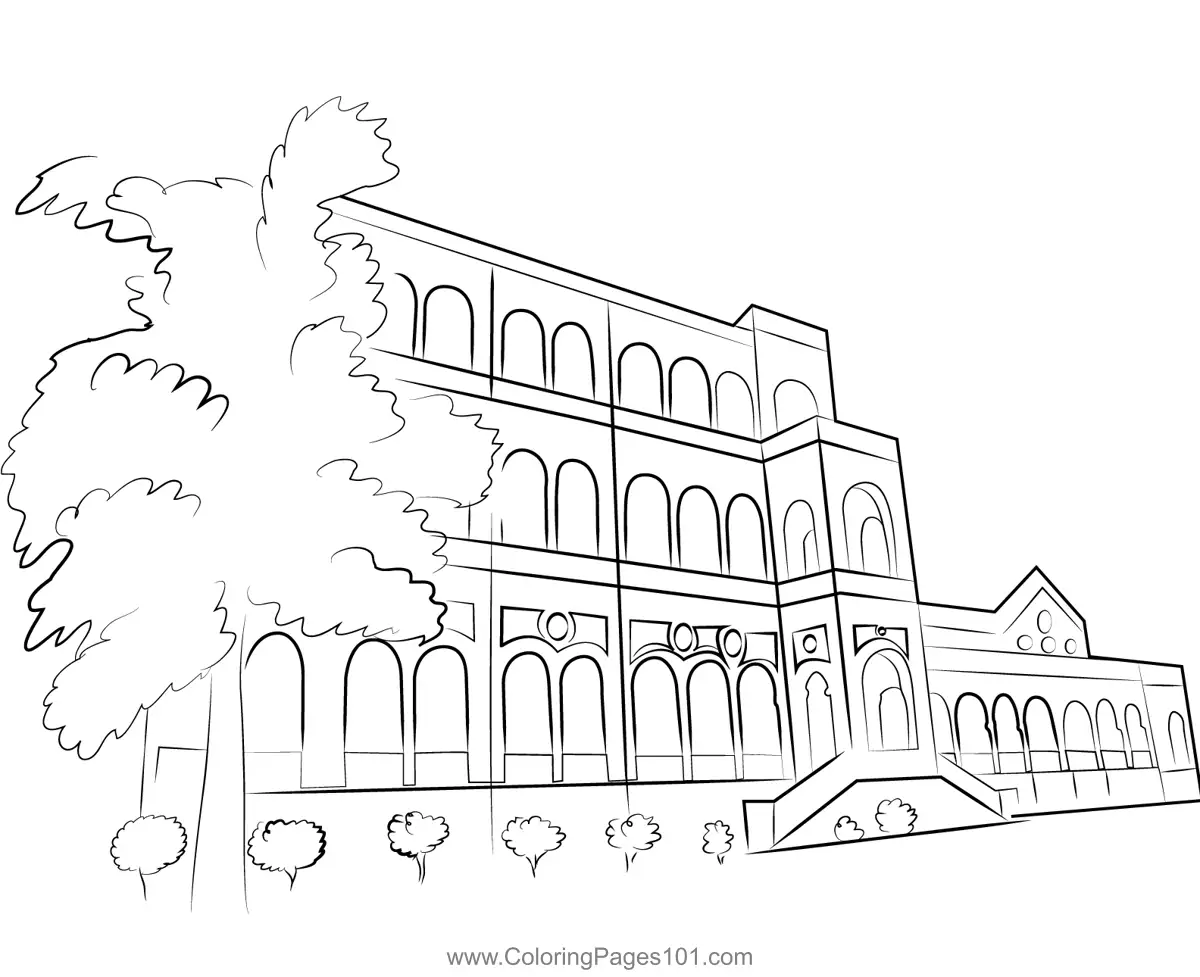
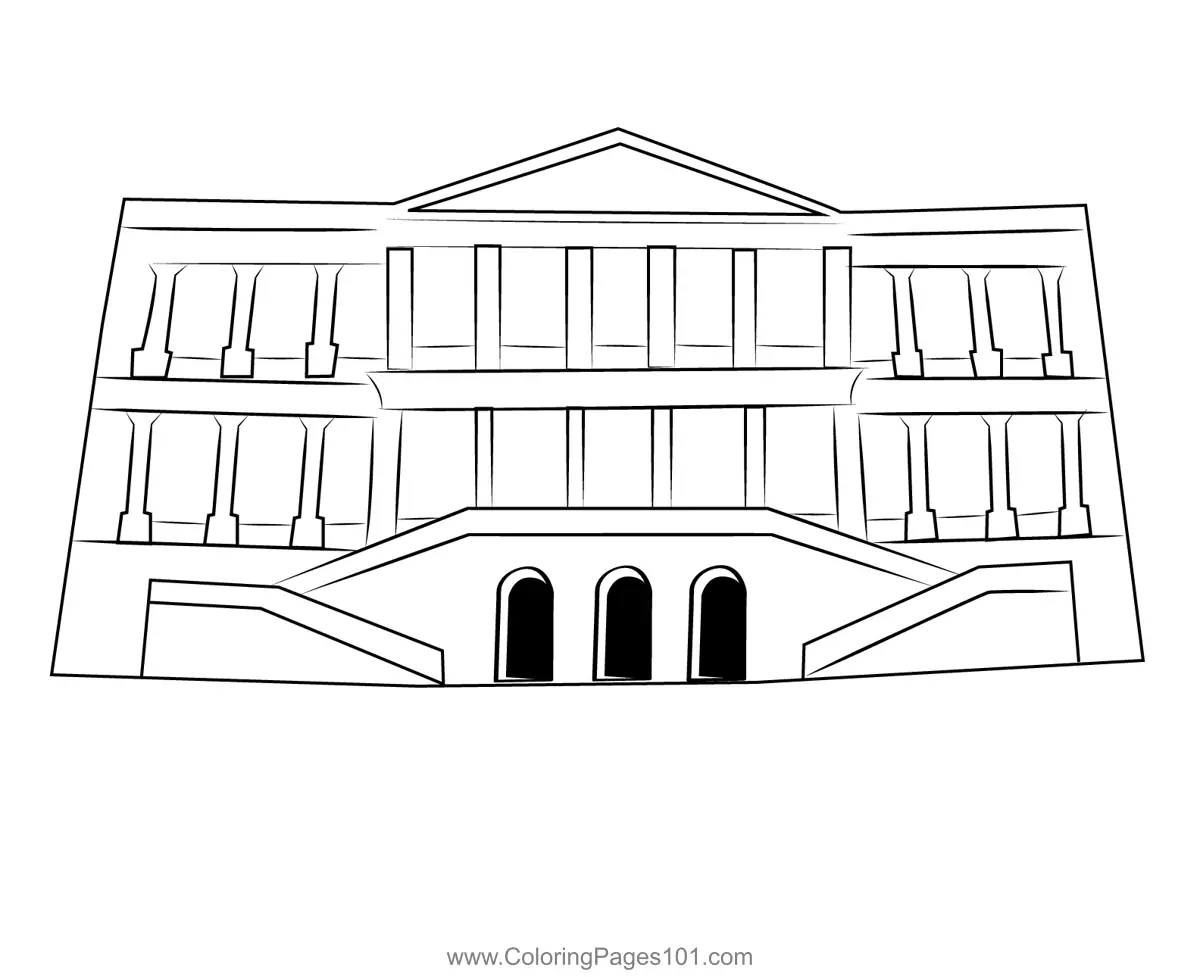
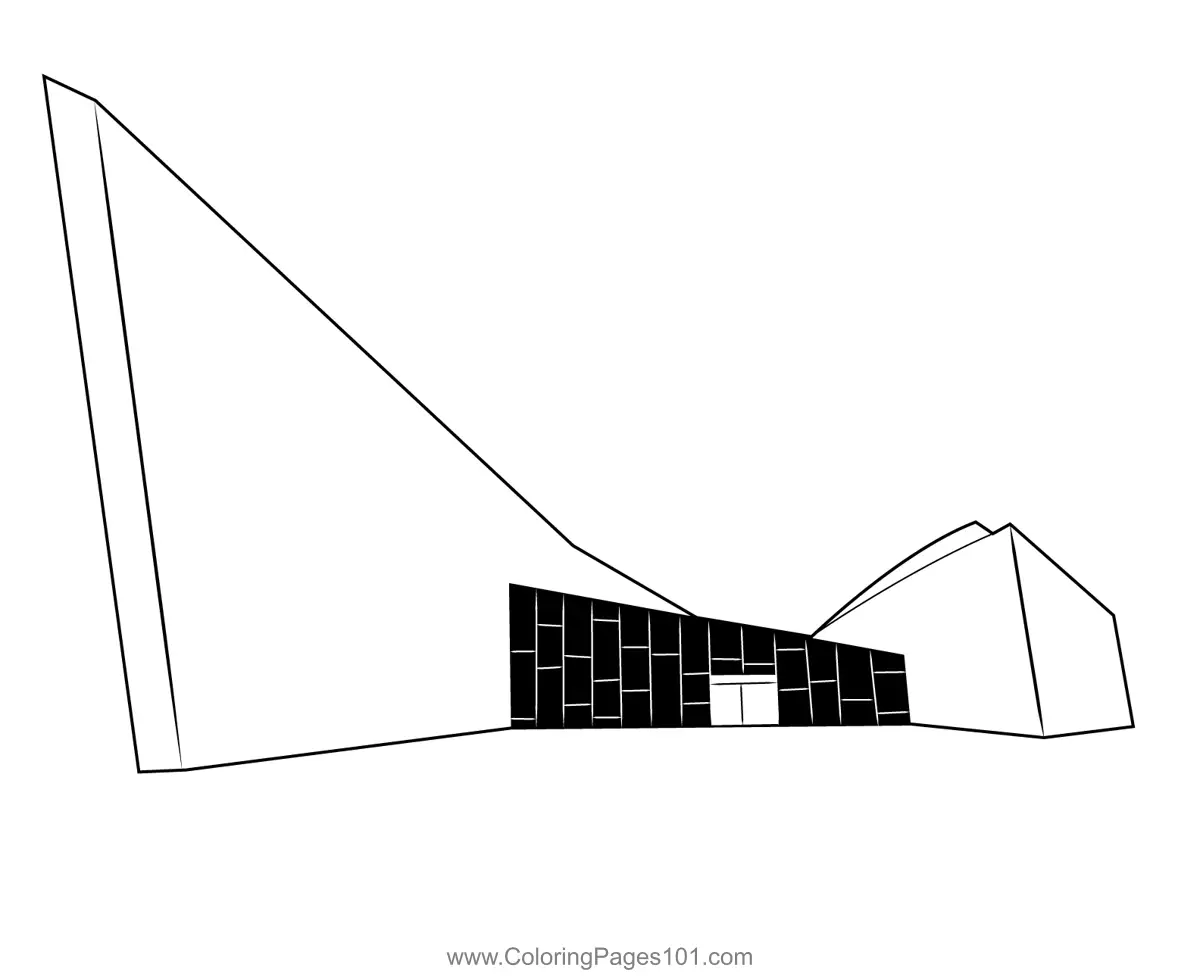
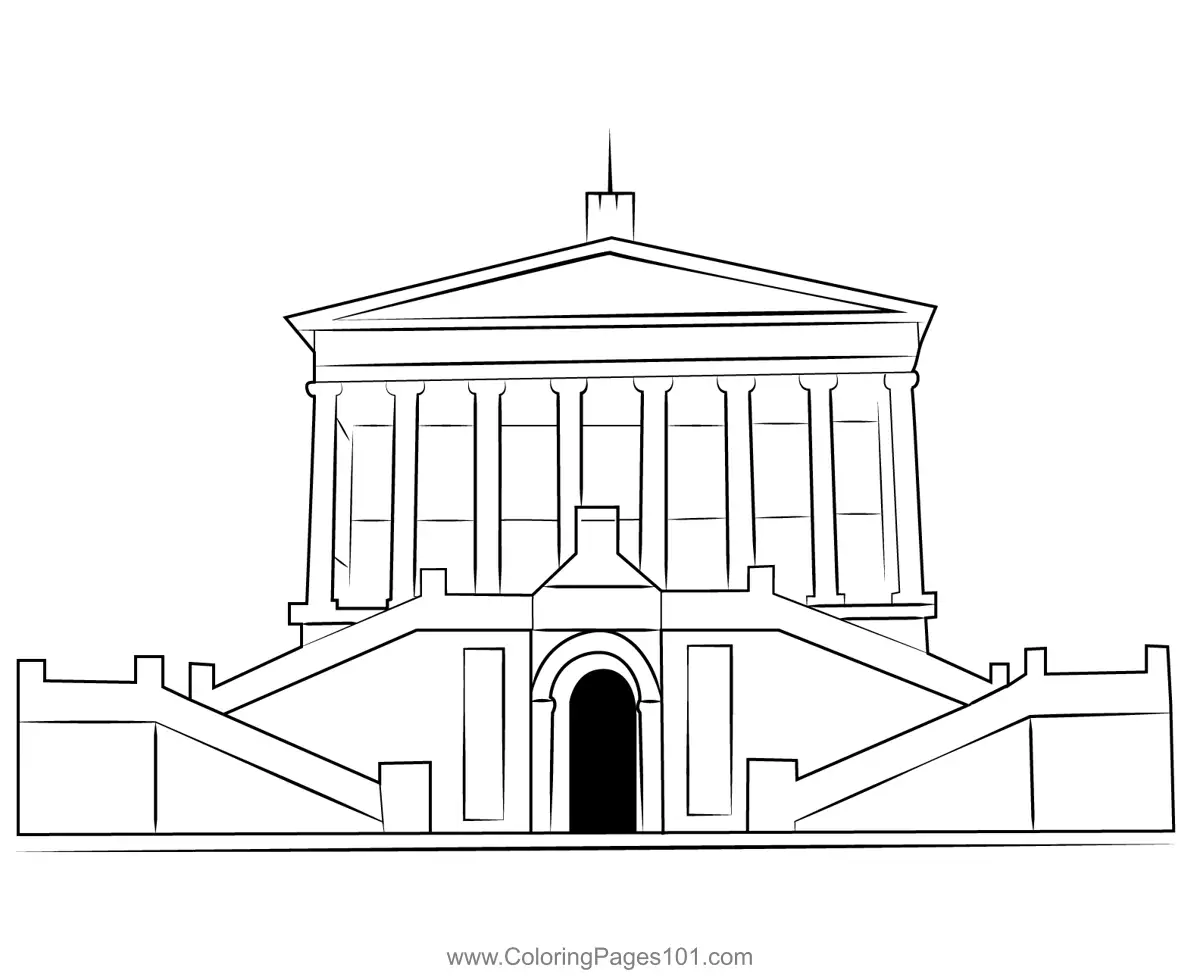
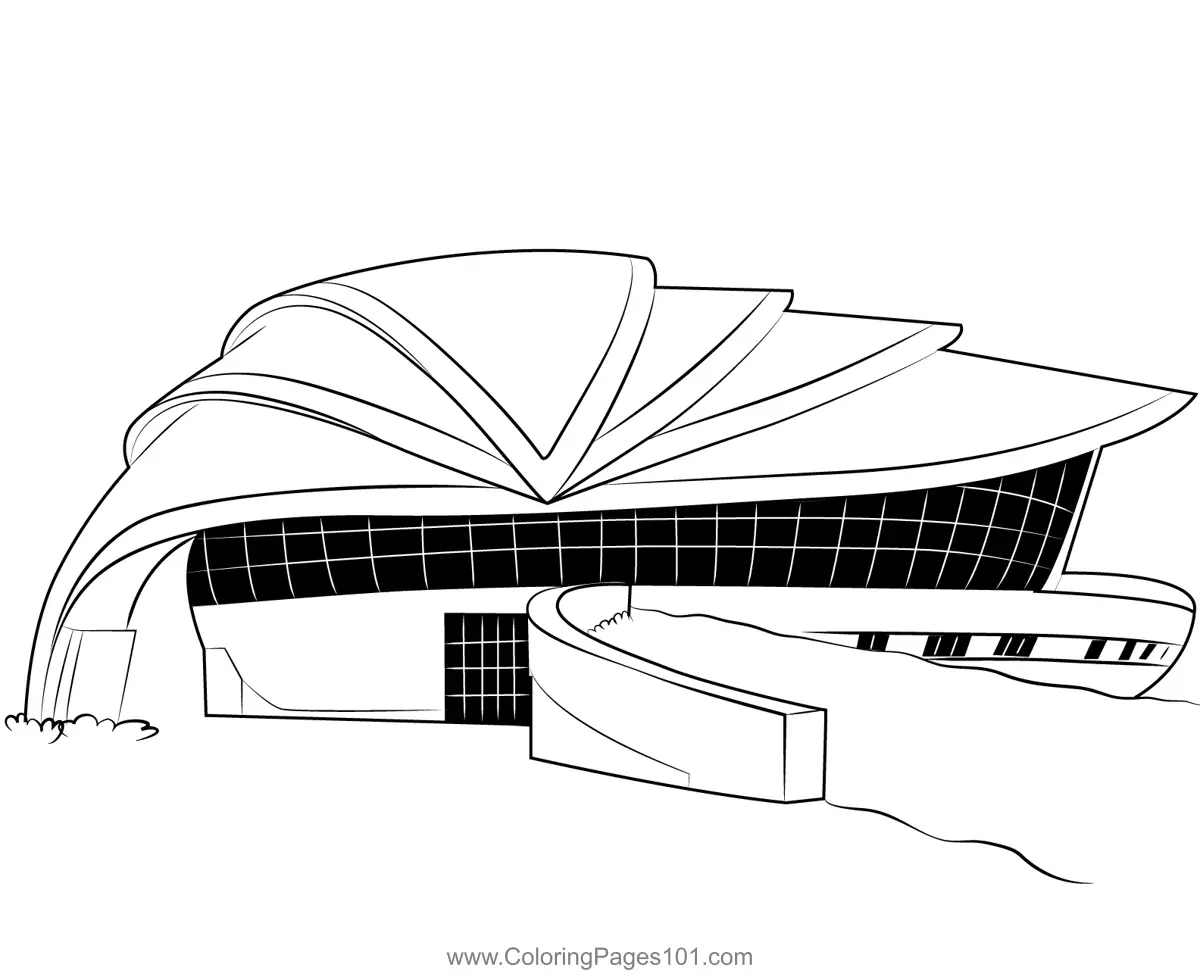
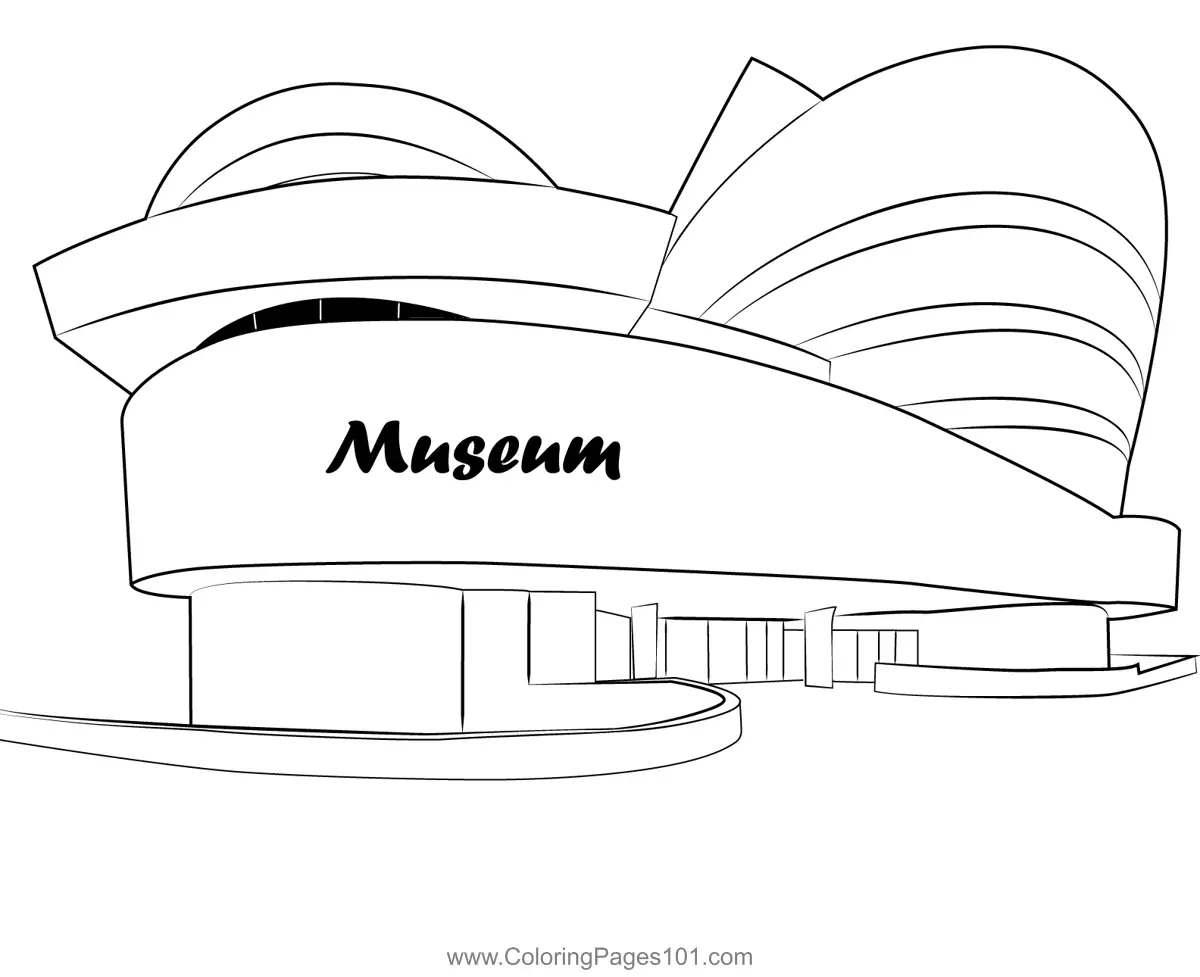
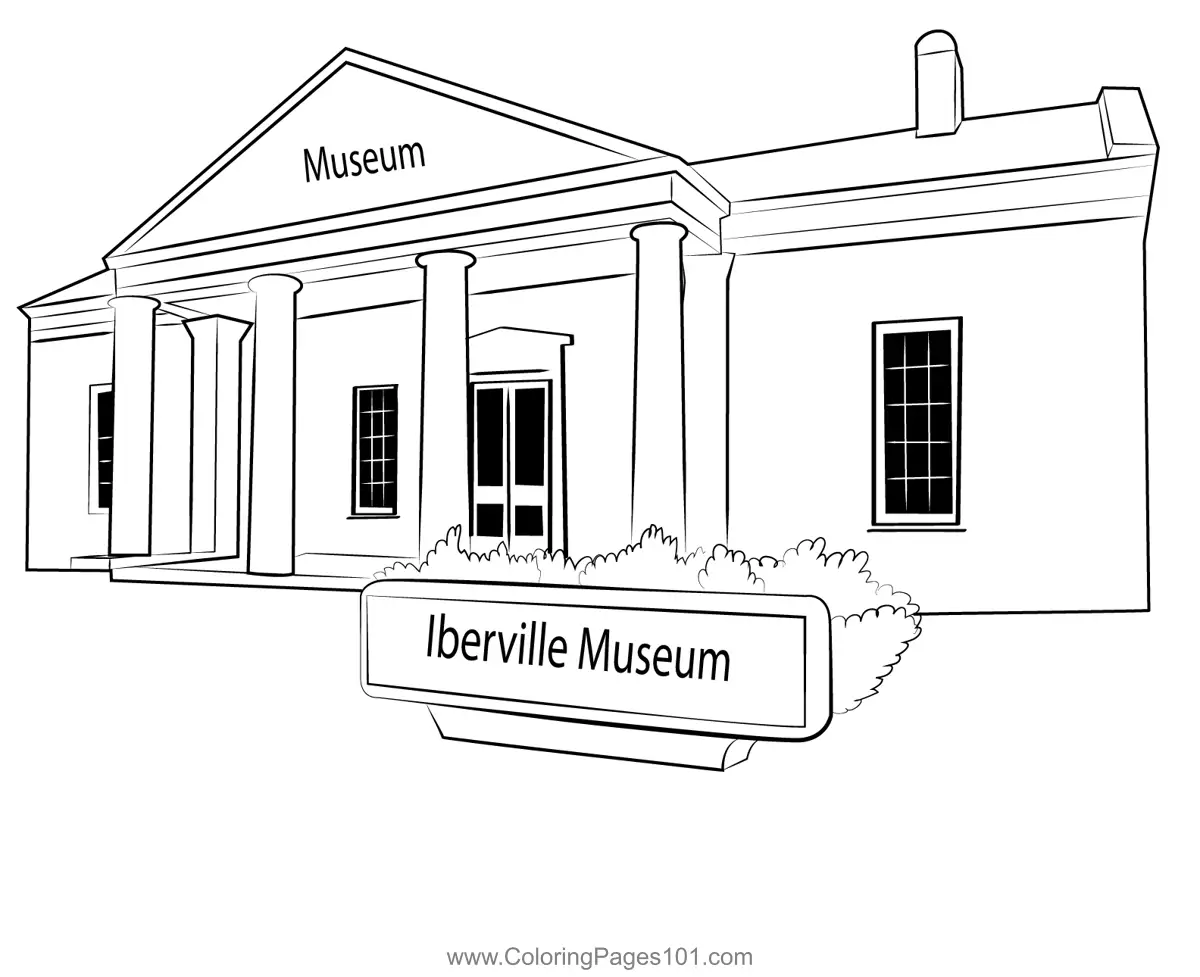
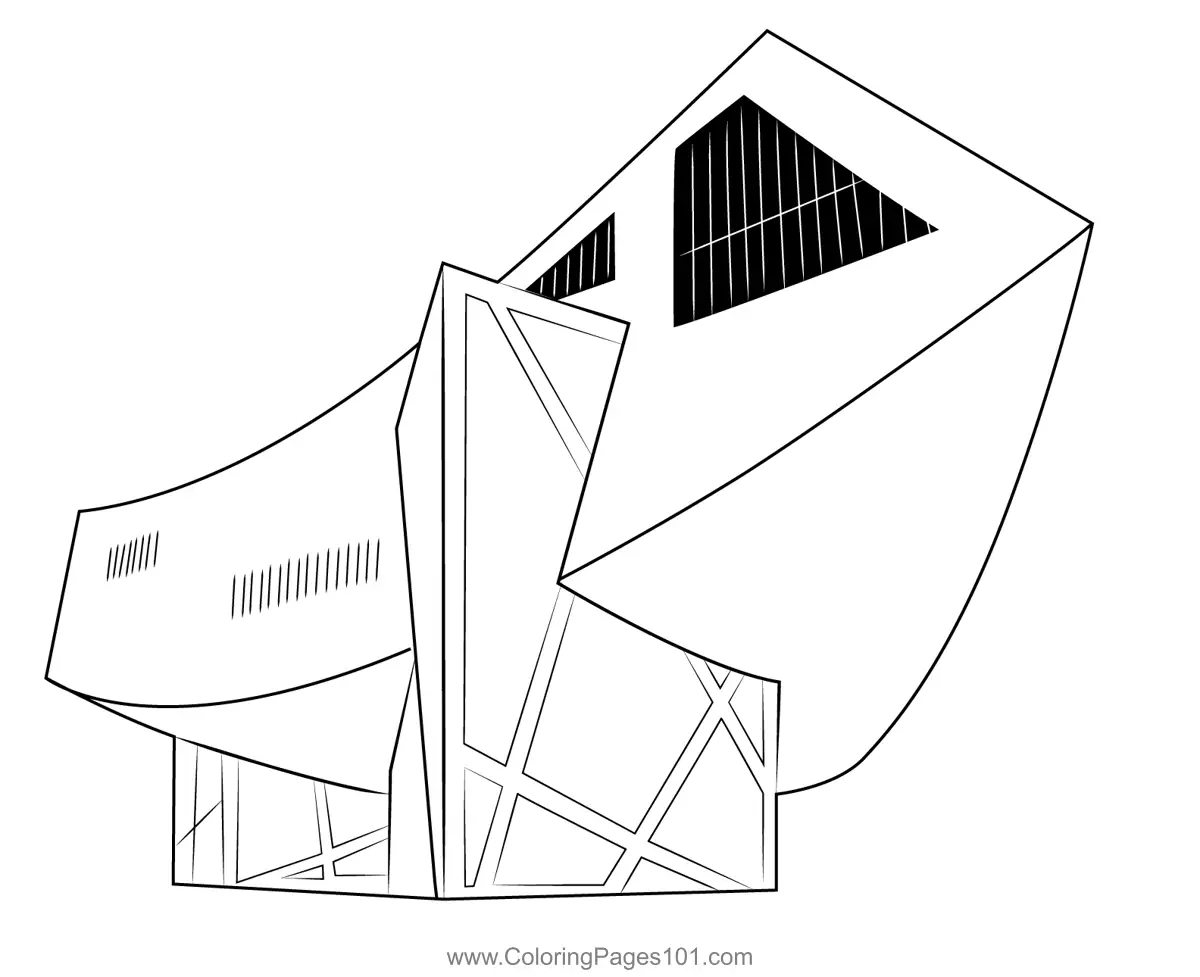
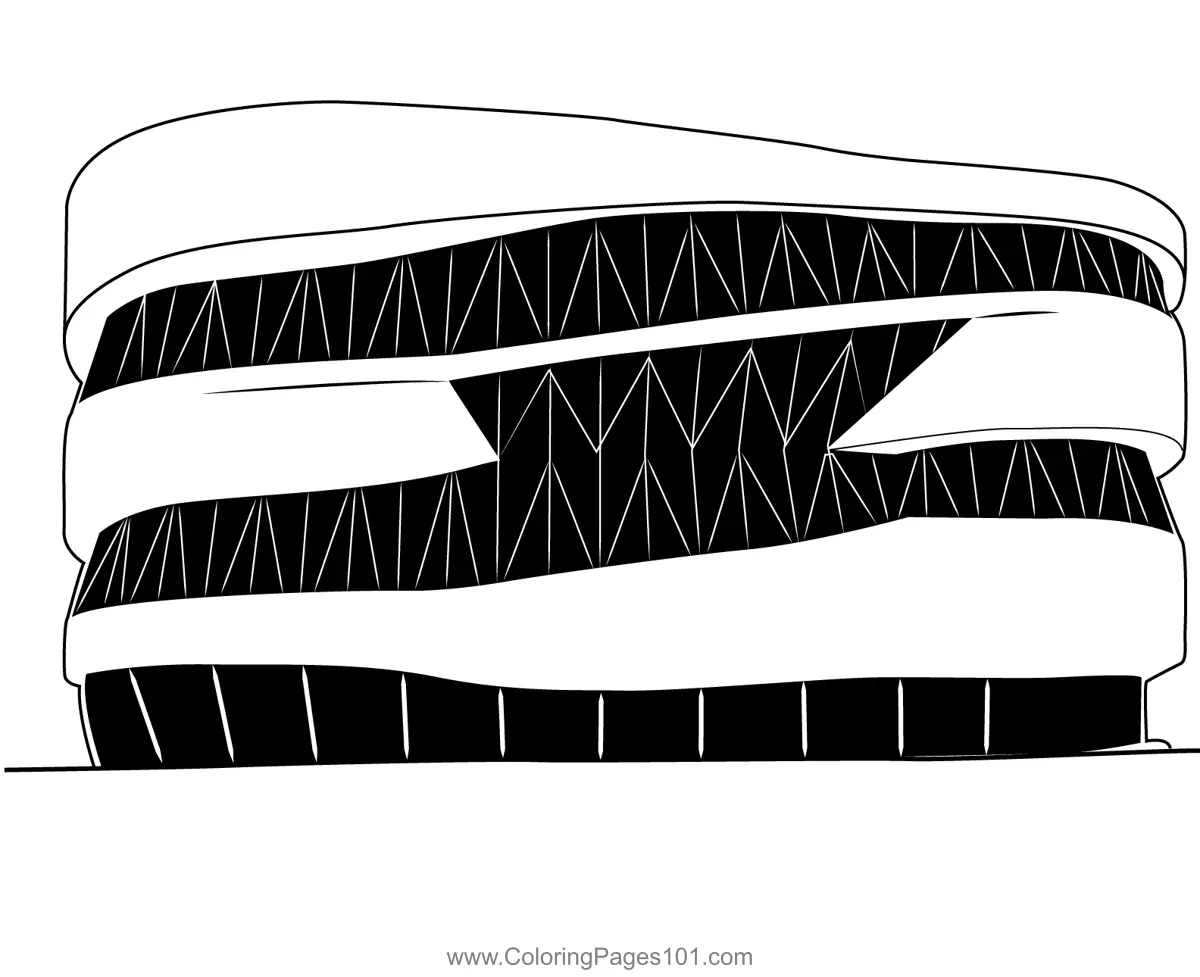
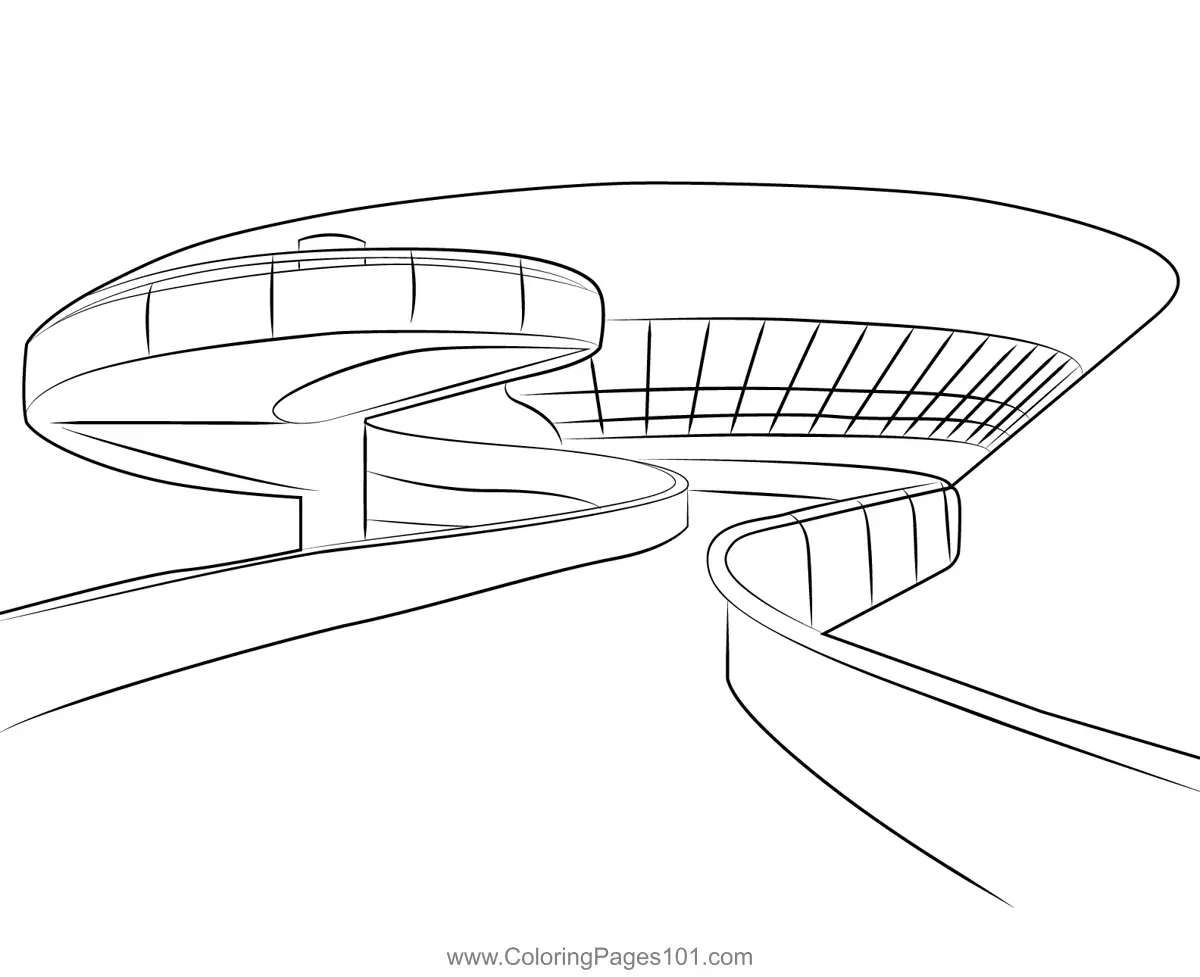
Museums Coloring Pages
Discovering the world of art and history through creative activities has never been more accessible than with museums coloring pages. At Magic Fingers Art, we provide an exceptional collection that brings the magnificence of world-renowned cultural institutions directly into your home. These carefully curated printable designs capture the essence of famous artworks, architectural marvels, and historical artifacts that grace museum halls across the globe. Whether you're seeking educational entertainment for young learners or a relaxing creative outlet for yourself, our extensive gallery offers something truly special for every enthusiast.
The beauty of utilizing coloring sheets inspired by museum treasures lies in their ability to combine education with artistic expression. Children develop fine motor skills while learning about different cultures, time periods, and artistic movements. Adults find therapeutic value in bringing these intricate designs to life with their chosen color palettes. Our platform makes accessing these resources incredibly simple, allowing you to download or to print any design that captures your imagination. Each illustration has been thoughtfully created to maintain historical accuracy while remaining accessible for colorists of all skill levels.
About Museums Coloring Pages
The concept behind museums coloring pages extends far beyond simple entertainment. These specialized pictures to color serve as gateways to understanding human creativity throughout the ages. When you explore our collection at Magic Fingers Art, you'll encounter designs featuring everything from ancient Egyptian sarcophagi to Renaissance masterpieces, from dinosaur fossils to modern art installations. Each page represents a carefully researched piece that honors the original artifact or artwork while transforming it into an engaging coloring experience. The educational value embedded within these designs makes them perfect resources for homeschooling parents, classroom teachers, and anyone passionate about cultural enrichment through hands-on activities.
Our free coloring pages dedicated to museum themes encompass diverse categories that reflect the breadth of human achievement. You might find yourself coloring the intricate patterns of Greek pottery one day, then switching to the bold lines of contemporary sculpture the next. This variety ensures that your creative journey never becomes monotonous. The detailed nature of many museum artifacts translates beautifully into coloring pictures that challenge and inspire. From the delicate brushstrokes suggested in impressionist painting reproductions to the geometric precision of ancient mosaics, every design offers unique opportunities for color exploration and artistic interpretation.
What distinguishes quality museums coloring pages from generic alternatives is the attention paid to historical and artistic authenticity. At Magic Fingers Art, we understand that these pages often serve dual purposes: they're both recreational tools and educational resources. Parents and educators appreciate materials that spark curiosity about different civilizations, artistic techniques, and cultural traditions. A child coloring a page featuring Tutankhamun's golden mask might ask questions about ancient Egypt, leading to deeper learning experiences. Similarly, an adult working on a design inspired by Van Gogh's "Starry Night" might develop newfound appreciation for post-impressionist techniques and the artist's emotional intensity.
How to Get Started with Museum-themed Coloring
Beginning your journey with museums coloring pages requires nothing more than selecting designs that resonate with your interests and gathering basic coloring supplies. The process couldn't be simpler at Magic Fingers Art. Browse through our categorized collections, which organize designs by historical period, geographic region, or art movement. Once you've identified pages that appeal to you, simply click to download them instantly or send them directly to print. This streamlined approach means you can transition from browsing to coloring within minutes, making spontaneous creative sessions entirely feasible even during busy schedules.
Choosing appropriate coloring materials enhances your experience significantly. For younger children working with coloring sheets, washable markers or chunky crayons provide excellent control and vibrant results. Older children and adults might prefer colored pencils, which allow for nuanced shading and blending techniques that bring museum-inspired designs to greater life. Fine-tip markers work wonderfully for intricate patterns found in many historical artifacts. Gel pens add metallic or glitter effects that can make certain elements pop, particularly when coloring jewelry, crowns, or other decorative objects featured in museum collections. Experimenting with different media helps you discover which tools best suit your personal style and the specific demands of each design.
Creating a comfortable workspace elevates the entire coloring experience. Adequate lighting prevents eye strain during detailed work, while a flat, stable surface ensures smooth color application. Many enthusiasts find that dedicating specific times for this activity—perhaps weekend mornings or quiet evenings—helps establish a relaxing routine. When working with printable designs from our collection, consider printing multiple copies of favorites. This approach allows experimentation with different color schemes without fear of mistakes. You might color one version of a Greek amphora using historically accurate red and black, then create another interpretation using contemporary colors that reflect your personal aesthetic preferences.
Museums Coloring Pages - Creative Coloring Ideas
Transforming museums coloring pages into truly memorable artistic projects involves thinking beyond basic coloring techniques. Consider creating themed collections where you complete multiple pages related to specific museums, time periods, or artistic movements. For instance, you might dedicate a month to coloring designs inspired by the Louvre, then compile them into a personal coloring book that documents your creative journey. This approach not only provides structure to your coloring practice but also deepens your knowledge about particular subjects. Researching the actual artifacts or artworks that inspired each page adds educational dimensions that transform casual coloring into meaningful cultural exploration.
Collaborative coloring projects bring social elements to this typically solitary activity. Families can select free coloring pages featuring museum treasures and work on them together, with each person contributing to different sections or creating individual interpretations of the same design. Classroom teachers might organize museum-themed coloring days where students learn about specific exhibitions or collections, then express their understanding through colored artwork. Community groups focused on art appreciation or lifelong learning find these resources valuable for structured activities that combine creativity with cultural education. Sharing completed pages on social media or in dedicated online communities connects you with fellow enthusiasts worldwide, creating opportunities for inspiration and encouragement.
Advanced techniques can elevate your coloring pictures from simple fill-in activities to sophisticated artistic expressions. Experiment with color theory by selecting complementary or analogous color schemes that create specific moods or visual effects. Practice shading techniques that add dimensionality to flat designs, making sculptures appear three-dimensional or giving paintings-within-coloring-pages greater depth. Mixed media approaches—combining colored pencils with watercolor washes, or adding collage elements to finished pages—push creative boundaries further. Some artists use museums coloring pages as foundations for more elaborate projects, incorporating them into art journals, using them as backgrounds for mixed media compositions, or even framing particularly successful pieces as legitimate artwork worthy of display.
Seasonal and thematic variations keep your coloring practice fresh and engaging throughout the year. During holiday periods, focus on pictures to color featuring relevant cultural artifacts—perhaps ancient winter solstice celebrations or historical holiday traditions from various civilizations. Educational milestones like back-to-school season provide perfect opportunities to explore designs related to the history of writing, ancient schools, or scientific instruments housed in museums. Aligning your coloring choices with current interests or studies creates natural connections between this creative hobby and other aspects of life. When planning vacations, you might color pages featuring museums you'll visit, building anticipation while familiarizing yourself with collections you'll soon see in person.
The therapeutic benefits of working with museums coloring pages deserve special recognition. The focused attention required for detailed coloring induces meditative states that reduce stress and anxiety. Unlike blank-page art projects that might intimidate those lacking confidence, these structured designs provide clear frameworks that eliminate creative paralysis while still offering abundant opportunities for personal expression. The combination of historical learning and artistic creation engages multiple brain regions simultaneously, promoting cognitive health and mental flexibility. For individuals dealing with chronic pain, mobility limitations, or recovery from illness, these accessible creative activities provide meaningful engagement that supports overall wellbeing without requiring physical exertion or specialized equipment.
Bringing Museum Magic into Everyday Life
Integrating museums coloring pages into regular routines creates consistent opportunities for cultural enrichment and creative expression. Rather than viewing coloring as an occasional activity reserved for special circumstances, consider making it part of your daily or weekly schedule. Even fifteen minutes spent with coloring sheets can provide mental refreshment during busy days. The portable nature of printed pages means you can easily transport them to waiting rooms, coffee shops, or outdoor spaces, turning idle time into productive creative sessions. Building a personal library of completed pages documents your artistic journey while creating tangible records of skills developed and knowledge gained over time.
Educational applications extend well beyond childhood learning. Homeschooling families discover that printable museum-themed designs complement history, art, and social studies curricula beautifully. After reading about ancient Rome, children can color pages featuring Roman mosaics, architecture, or sculptures, reinforcing textbook knowledge through hands-on engagement. Art history students use these resources to familiarize themselves with different styles and periods, developing visual literacy that enhances formal studies. Adult learners pursuing personal enrichment find that coloring provides accessible entry points into subjects that might otherwise seem intimidating. The act of carefully observing details while coloring trains eyes to notice subtleties in composition, pattern, and form that deepen appreciation for actual museum visits.
Gift-giving opportunities abound when you maintain a collection of completed museums coloring pages. Framed pieces make thoughtful, personalized presents that demonstrate both creativity and cultural awareness. Creating custom coloring book compilations for friends or family members—perhaps themed around their specific interests or upcoming travels—shows exceptional thoughtfulness. Teachers appreciate receiving sets of educational coloring resources they can incorporate into lesson plans. Elderly relatives often treasure these gifts, which provide both nostalgic connections to cultural institutions they've visited and engaging activities for current enjoyment. The relatively low cost of creating such gifts makes them accessible options that nonetheless carry significant emotional value due to the time and care invested in their creation.
Exploring Cultural Heritage Through Color
The diversity represented within quality museums coloring pages collections reflects humanity's rich cultural tapestry. At Magic Fingers Art, our offerings span continents and millennia, ensuring representation of varied civilizations and artistic traditions. This inclusivity matters tremendously in educational contexts, where exposure to diverse cultures builds empathy, understanding, and global awareness. Children who color artifacts from African kingdoms, Asian dynasties, Indigenous American cultures, and European civilizations develop broader worldviews than those exposed only to limited cultural perspectives. Adults similarly benefit from this exposure, which challenges assumptions and expands appreciation for human creativity across different contexts and constraints.
Specific museum collections inspire particularly engaging free coloring pages. Natural history museums contribute designs featuring dinosaur skeletons, mineral formations, and taxidermied animals that combine scientific accuracy with artistic appeal. Art museums provide endless inspiration through reproductions of famous paintings, sculptures, and decorative arts. History museums offer artifacts ranging from ancient tools to modern technological innovations. Specialized institutions focusing on topics like maritime history, aviation, or specific cultural groups contribute niche designs that appeal to enthusiasts with particular interests. This variety ensures that regardless of your passions, you'll find relevant pictures to color that align with your curiosities and learning goals.
Authenticity in design distinguishes superior museums coloring pages from generic alternatives. Careful research ensures that historical details remain accurate even when simplified for coloring purposes. Pottery patterns reflect actual decorative techniques used by specific cultures. Architectural elements maintain proper proportions and stylistic characteristics. Clothing and jewelry depicted on historical figures correspond to documented fashions from appropriate time periods. This commitment to accuracy means that users absorb correct information even while engaged in recreational activity. Parents and educators can confidently use these resources knowing they won't inadvertently teach historical inaccuracies or cultural stereotypes. The educational integrity embedded within each design amplifies their value far beyond simple entertainment.
Maximizing Your Museum Coloring Experience
Developing personal coloring styles transforms working with museums coloring pages from passive activity into active artistic practice. Some colorists prefer historically accurate palettes that reflect original artifact colors, conducting research to determine authentic hues. Others embrace creative freedom, applying contemporary color schemes or even fantastical combinations that reimagine historical objects through modern sensibilities. Neither approach is inherently superior; the choice depends entirely on your goals and preferences. Those prioritizing educational accuracy might lean toward historical fidelity, while those seeking pure creative expression might favor imaginative interpretations. Many enthusiasts enjoy alternating between these approaches, appreciating different satisfactions each provides.
Organization systems help manage growing collections of both blank and completed coloring sheets. Digital folders categorize downloaded files by theme, difficulty level, or intended use. Physical storage solutions—binders with page protectors, portfolio cases, or filing systems—keep printed pages accessible and protected. Maintaining logs or journals documenting which pages you've completed, color schemes used, and personal reflections creates valuable records of your creative journey. Some enthusiasts photograph finished work before gifting or displaying it, building digital galleries that showcase progress over time. These organizational practices might seem excessive for casual hobbyists, but they significantly enhance enjoyment for those who engage deeply with this creative pursuit.
Community engagement amplifies the pleasure derived from museums coloring pages. Online forums, social media groups, and dedicated websites connect colorists worldwide, creating spaces for sharing completed work, exchanging techniques, and offering encouragement. Local meetups bring together people who appreciate both coloring and cultural education, fostering friendships based on shared interests. Library programs, community center classes, and museum-sponsored events increasingly incorporate coloring activities, recognizing their appeal across age groups and skill levels. Participating in these communities transforms solitary coloring into social experiences that provide accountability, inspiration, and belonging. The collective enthusiasm found in these spaces often reignites motivation during periods when individual practice might otherwise lag.
Why Museums Coloring Pages Matter for All Ages
The enduring appeal of museums coloring pages stems from their unique position at the intersection of education, creativity, and accessibility. Unlike many hobbies requiring expensive equipment, specialized training, or significant time commitments, coloring demands minimal investment while offering substantial returns. A single printable page provides hours of engagement. The learning embedded within museum-themed designs happens organically, without the pressure or stress associated with formal education. This