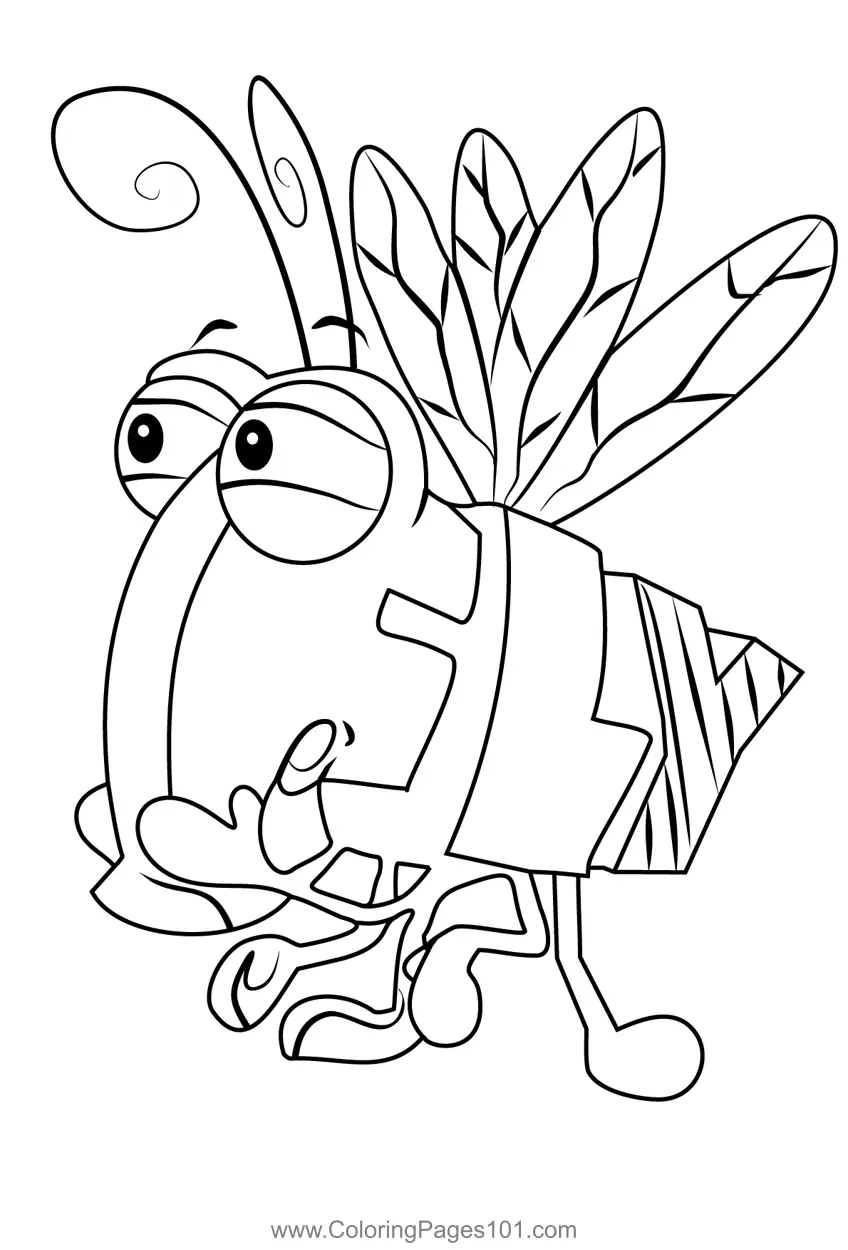
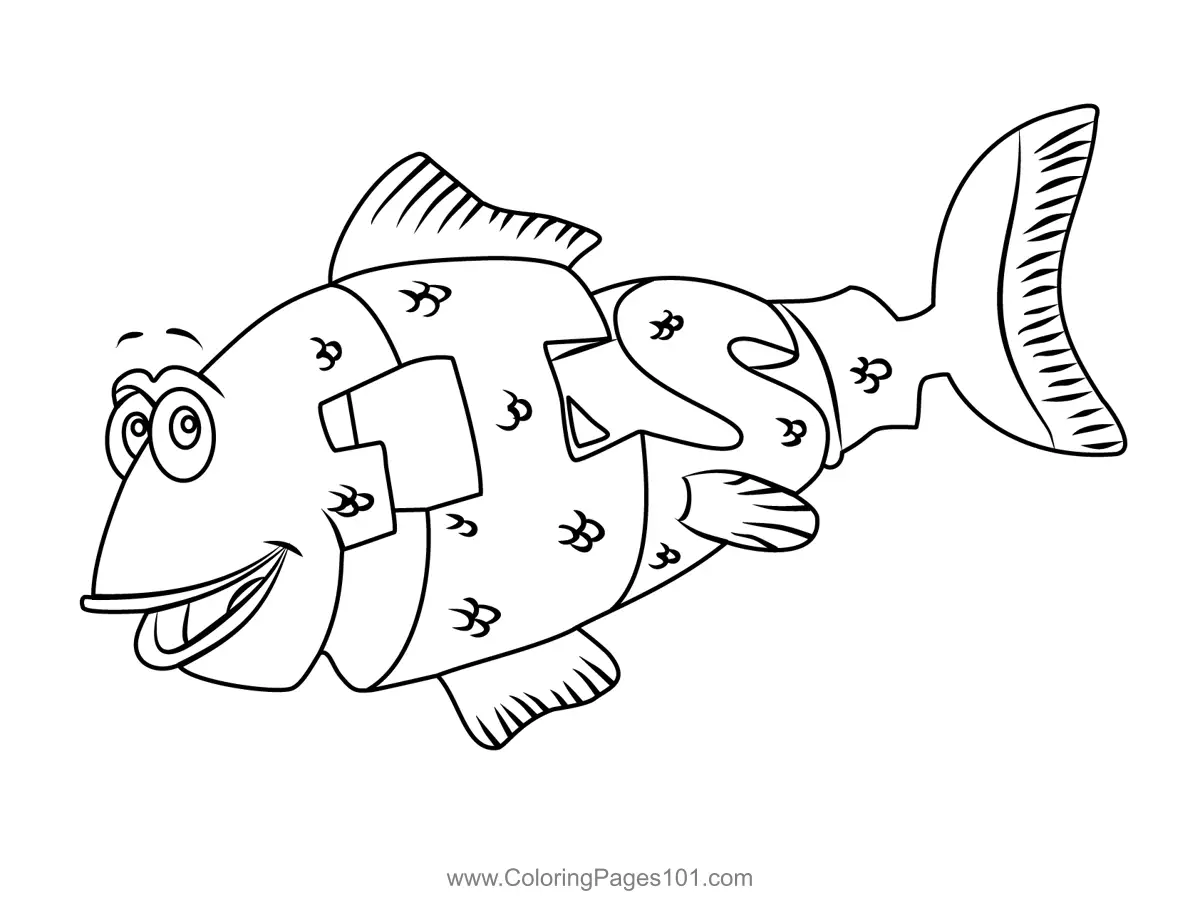
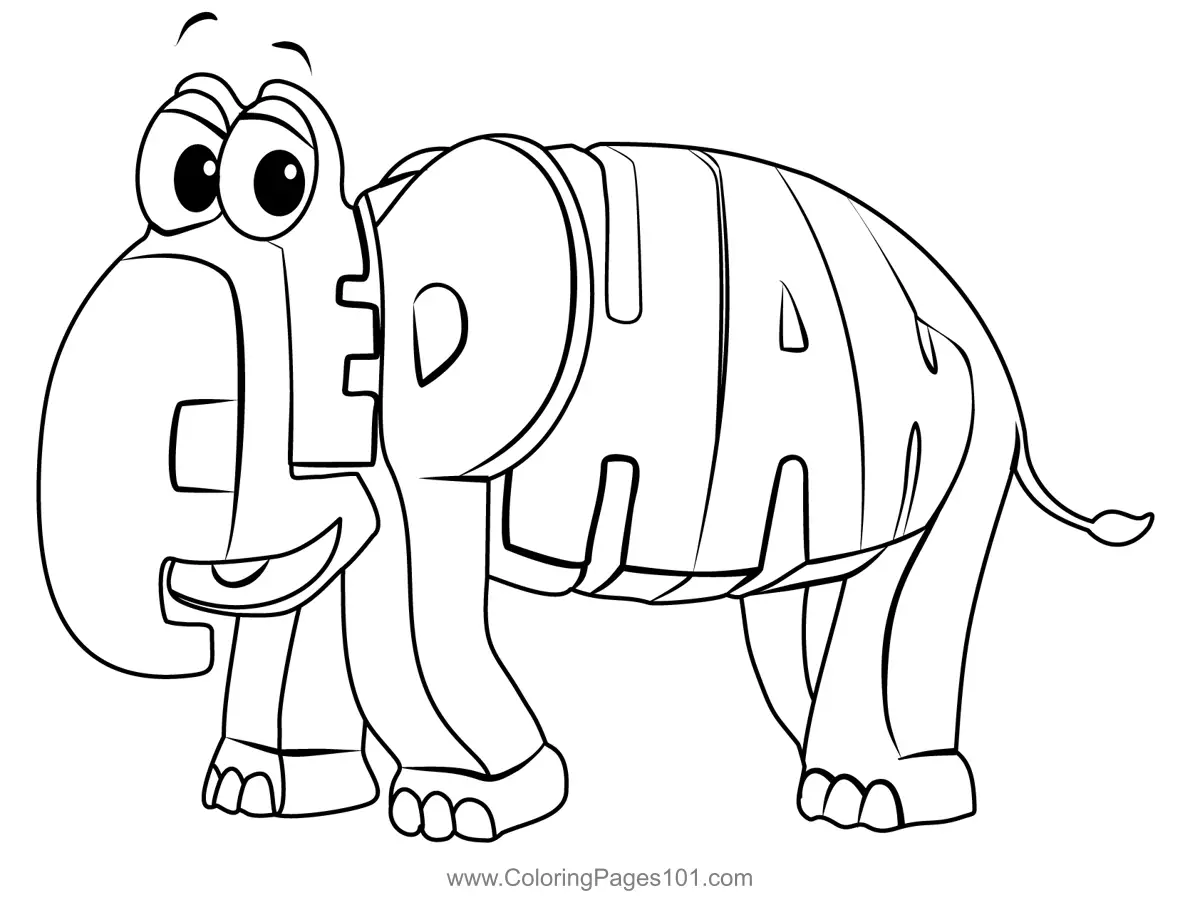
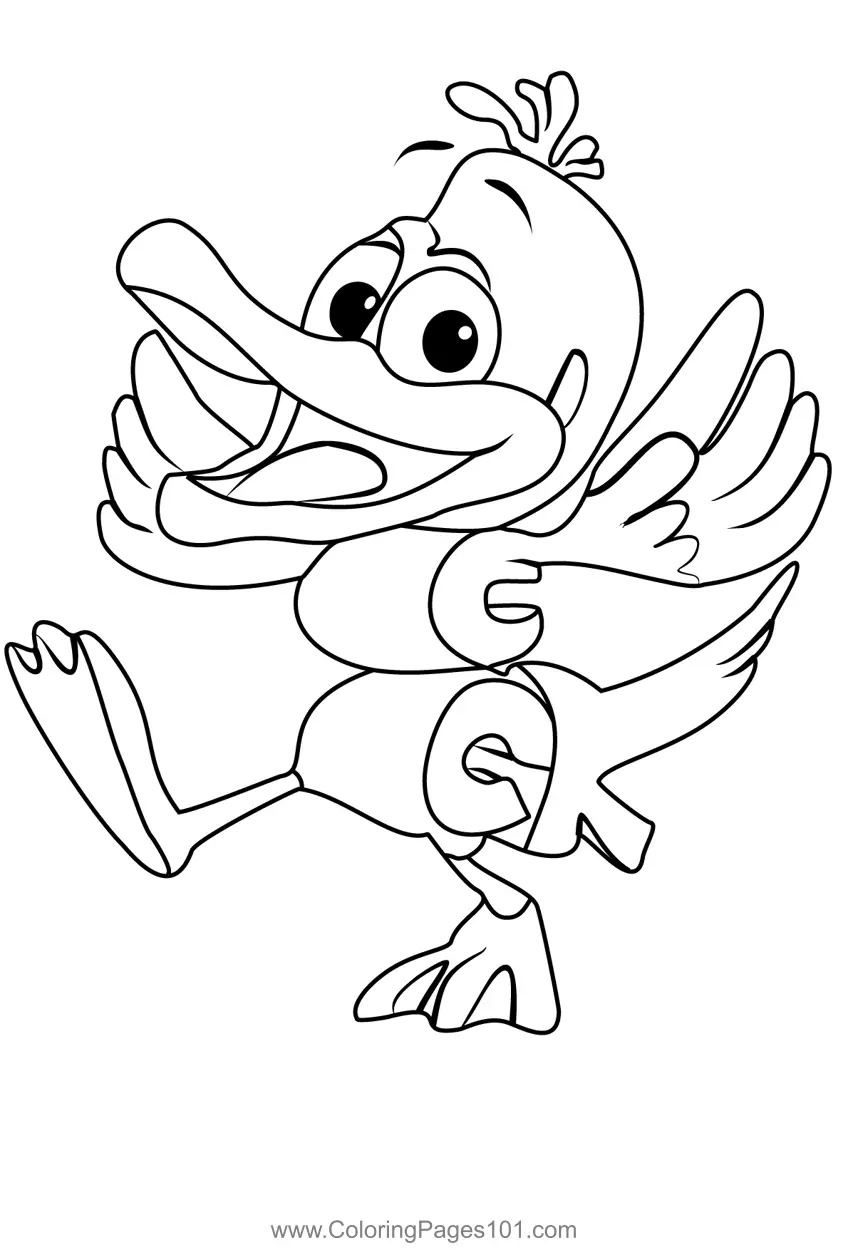
WordWorld Coloring Pages
Children across the globe have fallen in love with the enchanting universe where letters transform into living characters, and words literally build the world around them. This beloved educational series has captured young hearts through its innovative approach to literacy, making it a perfect subject for creative activities. At Magic Fingers Art, we've curated an exceptional collection of WordWorld coloring pages that bring this magical realm directly into your home, offering countless hours of entertainment while reinforcing early reading skills through artistic expression.
The beauty of these printable resources lies in their dual purpose: they entertain while educating. Each character from the show is carefully crafted from the letters that spell their name, creating a unique visual learning opportunity. When children engage with our coloring sheets, they're not simply filling spaces with color; they're actively reinforcing letter recognition, word formation, and spelling patterns. Parents and educators appreciate how these pictures to color seamlessly blend fun with fundamental literacy development, making learning feel like playtime rather than structured education.
About WordWorld Coloring Pages
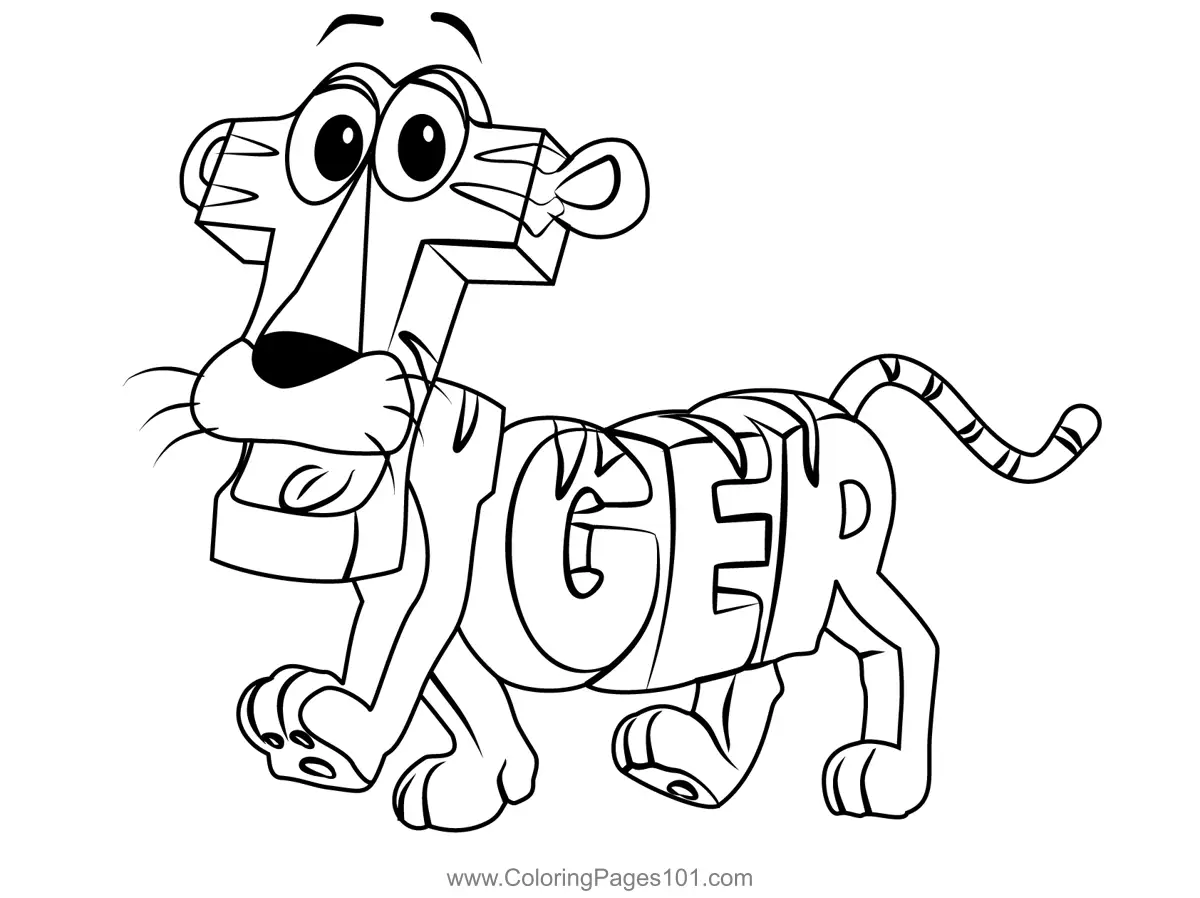
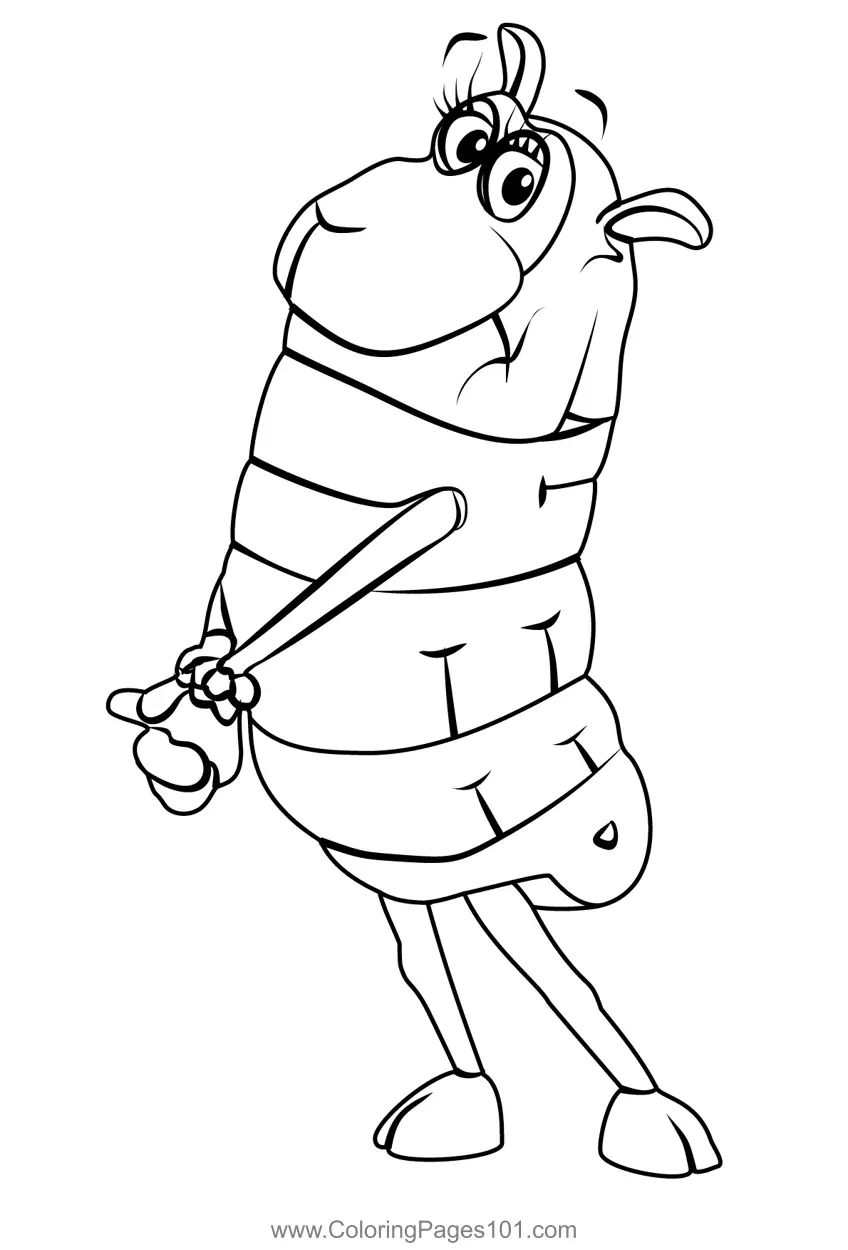
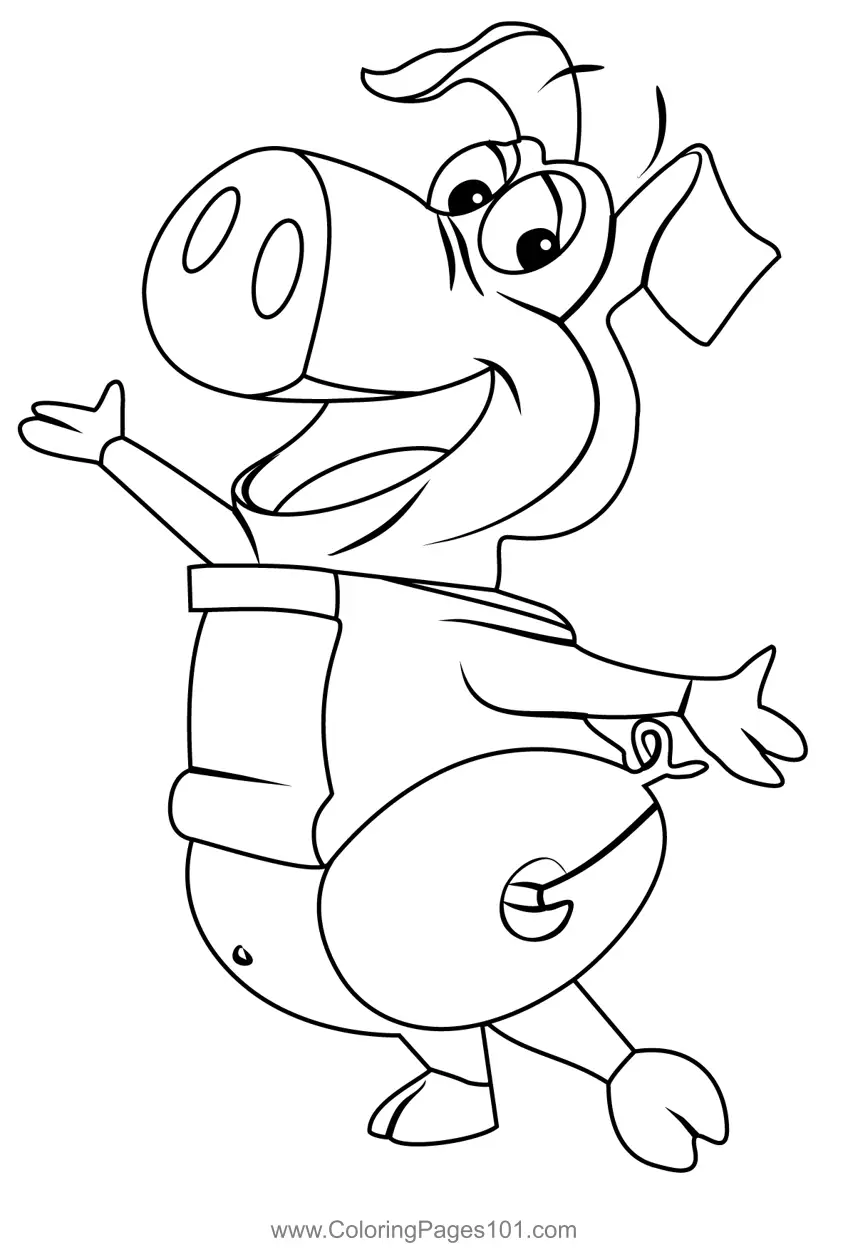
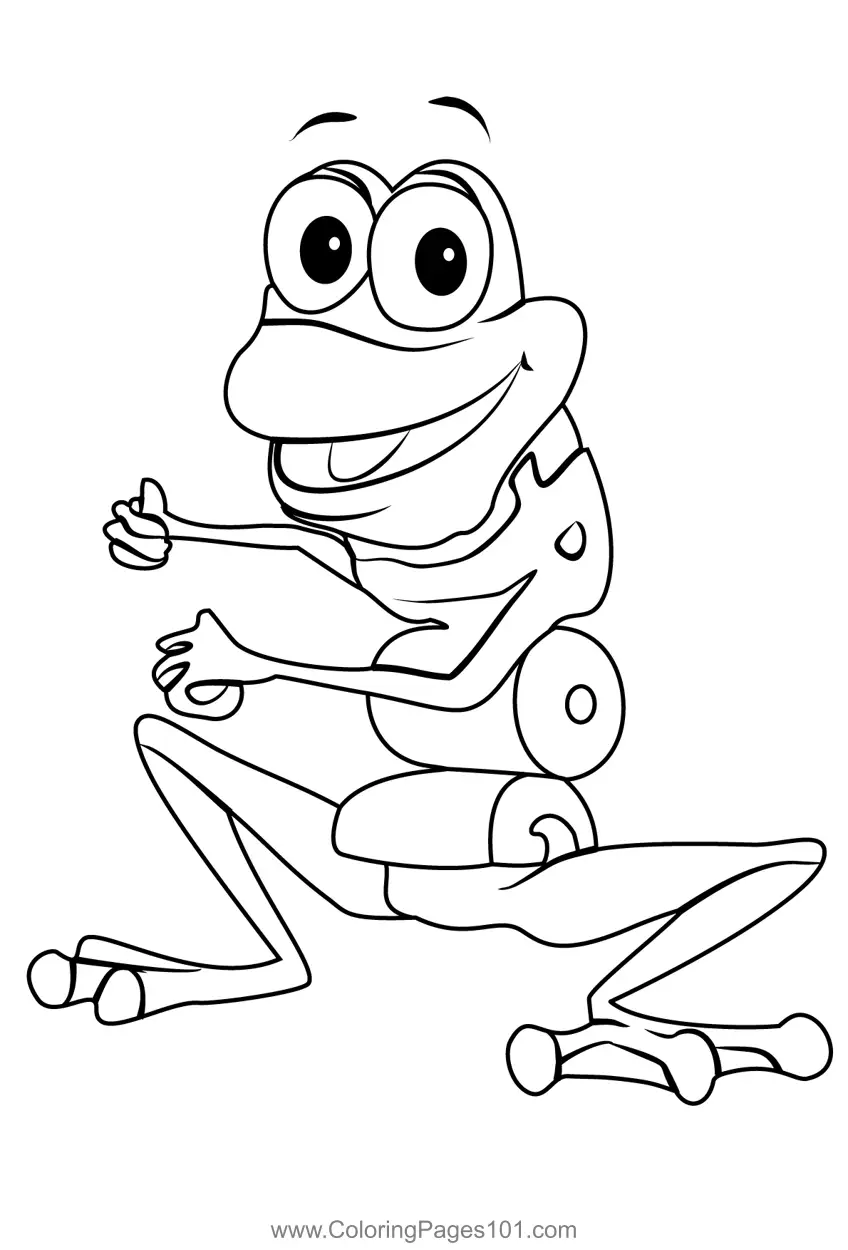
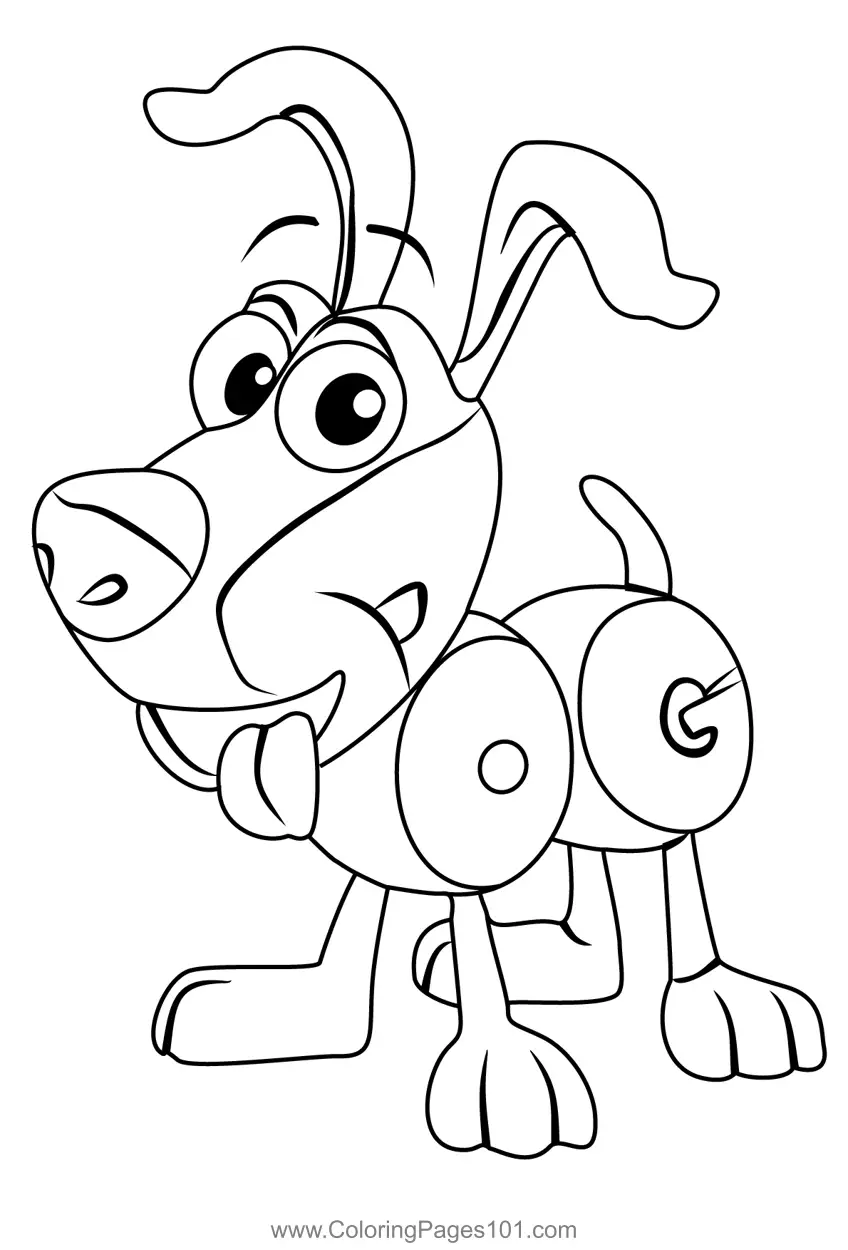
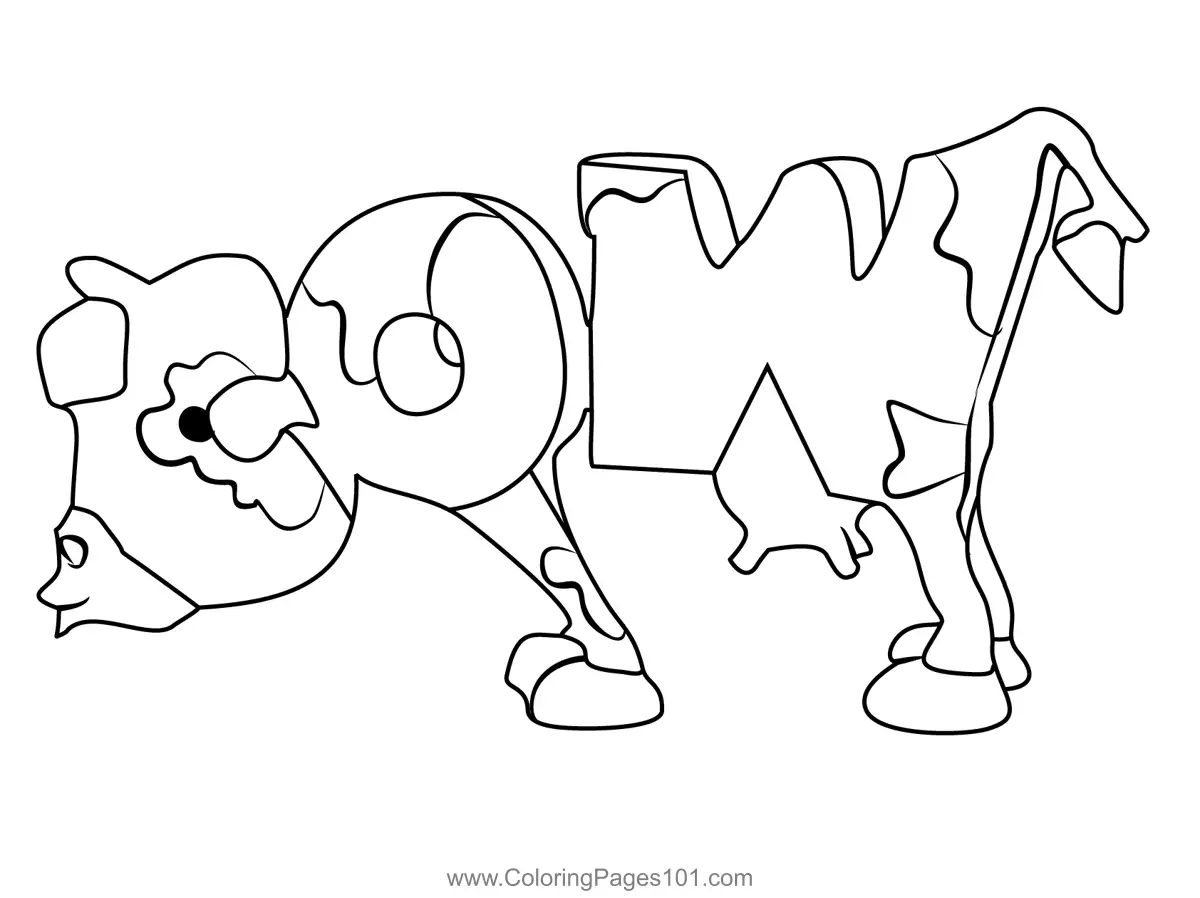
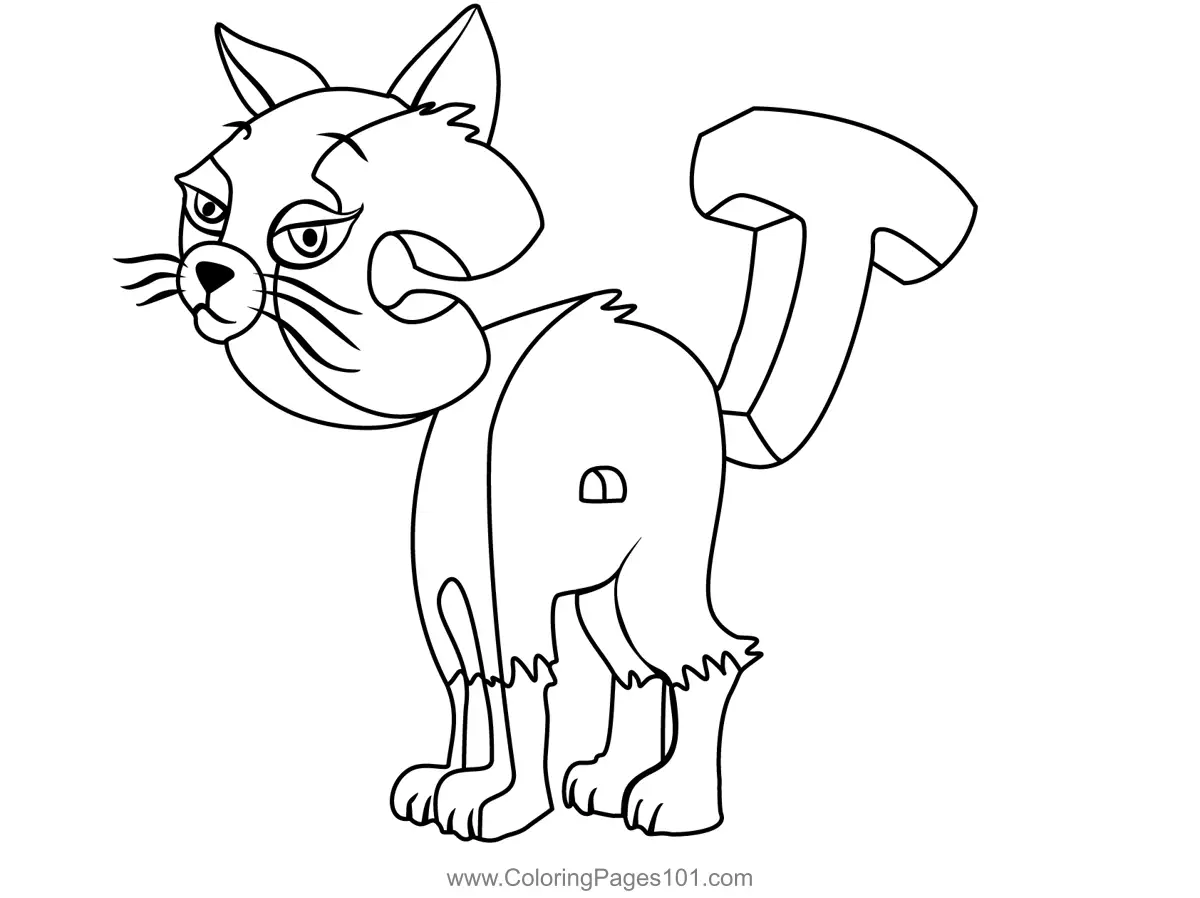
Our comprehensive selection of WordWorld coloring pages features every beloved character from the series, including Sheep, Duck, Pig, Dog, Frog, and Bear. Each design has been meticulously selected to ensure clarity and age-appropriate complexity, making them suitable for preschoolers through early elementary students. The coloring pictures available at Magic Fingers Art showcase these characters in various scenarios that mirror episodes from the show, allowing children to relive their favorite moments while developing fine motor skills and color recognition abilities. What sets our collection apart is the attention to detail in preserving the educational essence of the original program—every letter remains visible and traceable, turning each page into a multi-sensory learning experience.
These free coloring pages serve multiple developmental purposes beyond simple entertainment. As youngsters carefully select colors and stay within lines, they're building hand-eye coordination and concentration skills that will serve them throughout their academic journey. The letter-based construction of each character provides constant visual reinforcement of alphabet shapes, helping cement these foundational symbols in developing minds. Teachers frequently incorporate our coloring book pages into classroom activities, using them as rewards, quiet time exercises, or integrated components of literacy lessons. The versatility of these resources makes them invaluable tools in both home and educational settings.
How to Get Started with WordWorld Coloring Pages
Accessing our extensive library of WordWorld coloring pages couldn't be simpler. Magic Fingers Art has designed an intuitive browsing experience that allows parents, teachers, and caregivers to quickly locate exactly what they need. Simply navigate through our character categories or search for specific scenes that match your child's current interests. Each printable page is available in high-resolution format, ensuring crisp, clear lines that make coloring easier and more enjoyable. You can download files directly to your device or send them straight to print, depending on your immediate needs and preferences.
The printing process requires minimal technical knowledge. Once you've selected your desired coloring sheets, a single click initiates the download. Standard printer settings work perfectly for these designs, though we recommend using slightly heavier paper stock if available, as it prevents color bleed-through when children use markers or watercolors. For families seeking ongoing activities, consider downloading multiple pages at once to create a personalized coloring book that can be bound together with staples or placed in a three-ring binder. This approach transforms individual sheets into a cohesive collection that children can work through progressively, building a sense of accomplishment as they complete each page.
Organization becomes important when you're building a substantial collection of pictures to color. We suggest creating themed folders on your computer—perhaps organizing by character, difficulty level, or seasonal content. This systematic approach makes it easy to locate specific pages when needed, whether you're planning a WordWorld-themed birthday party, need a quick distraction during a restaurant wait, or want to supplement a homeschool literacy lesson. Many families keep both digital archives and physical folders of printed-but-not-yet-colored pages, ensuring they always have appropriate activities ready regardless of circumstances.
WordWorld Coloring Pages - Creative Coloring Ideas
While traditional crayon coloring remains timelessly popular, our WordWorld coloring pages lend themselves beautifully to experimental techniques that can extend the activity's educational value and entertainment duration. Consider introducing watercolor paints for older children who have developed better brush control. The letter-based character designs create interesting opportunities to discuss how different colors blend and interact, turning art time into an informal science lesson. Younger artists might enjoy using dot markers or stamp pads, which require less fine motor precision while still producing satisfying results. These alternative methods keep the activity fresh and engaging, even for children who have colored the same characters multiple times.
Texture exploration adds another dimension to working with coloring pictures. Provide materials like cotton balls, fabric scraps, or tissue paper that children can glue onto their pages after coloring, creating three-dimensional artwork. Sheep's woolly body becomes an obvious candidate for cotton ball application, while Duck's feathers might be enhanced with actual feather additions. This mixed-media approach transforms simple coloring sheets into craft projects that develop spatial reasoning and planning skills as children decide where different textures should be applied. The finished products become display-worthy art pieces that children feel genuinely proud to showcase.
Collaborative coloring presents yet another avenue for maximizing the value of these free coloring pages. Print larger versions of scenes featuring multiple characters, then invite siblings or classmates to work together on a single page. This cooperative approach teaches negotiation, sharing, and compromise as children discuss color choices and divide sections among themselves. Group projects using our printable resources can become centerpieces for classroom bulletin boards or family art galleries, celebrating collective effort rather than individual achievement. Such activities build social skills while maintaining the literacy reinforcement that makes WordWorld content so educationally valuable.
Seasonal adaptation of WordWorld coloring pages keeps content relevant throughout the year. During autumn, encourage children to color outdoor scenes using fall palettes of oranges, reds, and yellows. Winter months might inspire snowy backgrounds added to existing character designs. Spring could bring pastel interpretations, while summer invites bright, bold color choices. This seasonal rotation prevents monotony and helps children develop understanding of how environmental changes affect color in the natural world. Teachers particularly appreciate this flexibility, as it allows them to align coloring activities with current classroom themes or upcoming holidays without abandoning the familiar WordWorld characters students already love.
Bringing WordWorld Magic into Everyday Learning
The true power of WordWorld coloring pages emerges when they're integrated into broader literacy activities rather than treated as isolated entertainment. After completing a coloring book page featuring Duck, encourage your child to identify all the letters that form Duck's body. Challenge them to trace these letters with their finger, saying each letter name aloud. For children ready for advanced activities, ask them to find other words that start with the same letter or think of rhyming words. This extension transforms passive coloring into active learning, multiplying the educational impact of each session.
Story creation based on completed coloring pictures develops narrative skills and imagination. Once a child finishes coloring a scene, ask them to tell you what's happening in the picture. Where are the characters going? What problem might they be solving? What will happen next? Write down their story exactly as they tell it, then read it back to them. This process demonstrates the connection between spoken and written language while validating their creative ideas. Some families compile these stories alongside the corresponding colored pages, creating personalized books that become treasured keepsakes documenting both artistic and linguistic development.
Letter hunts using pictures to color turn observation into a game. Before allowing a child to begin coloring, challenge them to find and circle all instances of a specific letter within the character designs. This focused search strengthens letter recognition in a playful context. As proficiency grows, increase difficulty by asking them to find letters in alphabetical order or locate all vowels versus consonants. These preparatory activities prime young minds for learning before the coloring even begins, making efficient use of activity time while building essential pre-reading skills.
Why Magic Fingers Art Offers the Best WordWorld Resources
Quality matters tremendously when selecting coloring sheets for children. Poorly designed pages with unclear lines or inappropriate complexity levels lead to frustration rather than enjoyment. At Magic Fingers Art, every WordWorld coloring page undergoes careful review to ensure it meets our exacting standards for clarity, educational value, and age-appropriateness. We understand that parents and educators need reliable resources that consistently deliver positive experiences, which is why we've invested significant effort into curating only the finest designs available.
Our commitment to providing free coloring pages stems from the belief that quality educational resources should be accessible to everyone, regardless of economic circumstances. We've eliminated paywalls and subscription requirements that create barriers between children and learning opportunities. Whether you need one page or one hundred, whether you're a parent with a single child or a teacher with an entire classroom, our resources remain freely available. This democratic approach to educational content reflects our core values and our dedication to supporting literacy development across all communities.
The convenience factor distinguishes Magic Fingers Art from alternative sources. Our printable files are optimized for quick downloading and efficient printing, respecting both your time and your printer's ink supply. We've eliminated unnecessary graphics and simplified file formats to ensure compatibility across devices and operating systems. Whether you're accessing our site from a smartphone, tablet, or computer, whether you're using Windows, Mac, or Linux, our WordWorld coloring pages remain consistently accessible and functional. This technical reliability means less troubleshooting and more time spent on what truly matters—engaging children in meaningful learning activities.
Maximizing Educational Impact Through Strategic Use
Timing significantly influences how effectively coloring pictures support learning objectives. Consider using these resources during natural transition periods—after lunch when children need calming activities, during the wind-down before naptime, or as a focused task following more energetic play. The concentration required for coloring helps settle excited minds while maintaining engagement, making these coloring sheets perfect tools for managing energy levels throughout the day. Educators often deploy them strategically during moments when classroom dynamics need gentle redirection toward quieter, individual work.
Differentiation becomes effortless with a diverse collection of WordWorld coloring pages. Simpler designs featuring single characters suit younger children or those just developing fine motor control, while complex scenes with multiple characters and detailed backgrounds challenge older or more advanced students. This range allows parents and teachers to match activities precisely to individual ability levels, ensuring each child experiences appropriate challenge without overwhelming frustration. As skills develop, you can gradually introduce more complex pages, creating a natural progression that builds confidence alongside capability.
Assessment opportunities hide within these seemingly simple pictures to color. Observant adults can gather valuable information about a child's developmental stage by watching how they approach coloring tasks. Do they select realistic colors or prefer imaginative choices? Can they stay within lines, or does their coloring remain somewhat random? How long can they sustain focus on a single page? These observations inform understanding of where a child stands in their developmental journey, helping adults provide appropriately targeted support. The informal nature of this assessment reduces anxiety while yielding genuinely useful insights.
Building Literacy Foundations One Page at a Time
The connection between WordWorld coloring pages and reading readiness runs deeper than surface-level letter exposure. When children repeatedly see characters constructed from letters, they begin internalizing the concept that letters are building blocks—not just of words on a page, but of meaning itself. This foundational understanding prepares them for the revelation that those same letters they've been coloring can be combined to represent spoken language. The transition from recognizing letters as shapes to understanding them as symbols carrying meaning becomes more intuitive when children have spent substantial time engaging with letter-based imagery through our coloring book resources.
Vocabulary expansion occurs naturally through themed coloring sheets. As children color scenes depicting various activities, introduce related vocabulary words. A page showing characters building might prompt discussion of construction terms. Scenes featuring food preparation offer opportunities to name kitchen items and cooking actions. This contextual vocabulary instruction proves more effective than isolated word memorization because children can visualize the concepts while learning the terms. The colored pages themselves become reference materials that children can revisit, reinforcing vocabulary retention through repeated exposure.
Pattern recognition skills develop as children work through multiple WordWorld coloring pages featuring the same characters. They begin noticing that Sheep always contains certain letters, that Dog's structure remains consistent across different scenes. This pattern awareness translates directly to reading, where recognizing common letter combinations and word structures accelerates decoding ability. The visual consistency of character designs in our printable collection reinforces these patterns, creating neural pathways that will later support fluent reading.
Creating Lasting Memories with WordWorld Adventures
Beyond educational benefits, WordWorld coloring pages create opportunities for meaningful connection between adults and children. Sitting together while a child colors opens space for unhurried conversation, for sharing thoughts and feelings that might not emerge during busier moments. These quiet sessions build emotional bonds while demonstrating that adults value the child's interests and creative expression. The free coloring pages from Magic Fingers Art thus serve double duty—supporting literacy development while nurturing relationships that form the foundation of emotional security.
Documentation of artistic progress becomes possible when you regularly save completed coloring pictures. Dating each finished page and storing them chronologically creates a visual record of developing skills. Looking back through months or years of work reveals remarkable growth that might otherwise go unnoticed in day-to-day interactions. Children themselves enjoy reviewing their earlier efforts, often expressing amazement at how much their abilities have improved. This tangible evidence of progress builds self-efficacy and motivation to continue developing skills.
Tradition-building around coloring sheets adds structure and anticipation to family routines. Perhaps Sunday afternoons become dedicated coloring time, or maybe completing a page earns a special privilege. These predictable rituals provide children with comforting structure