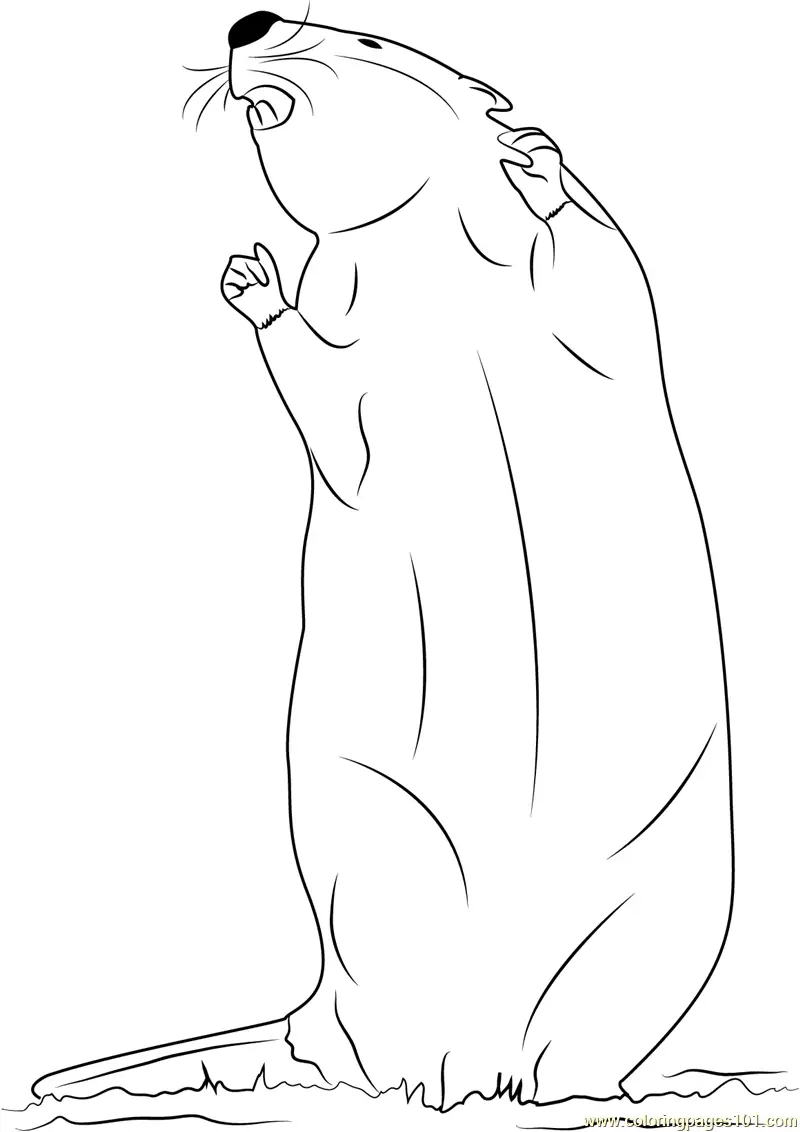
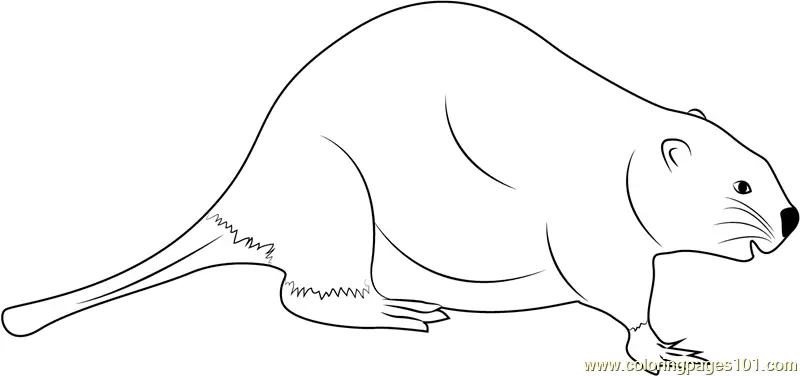
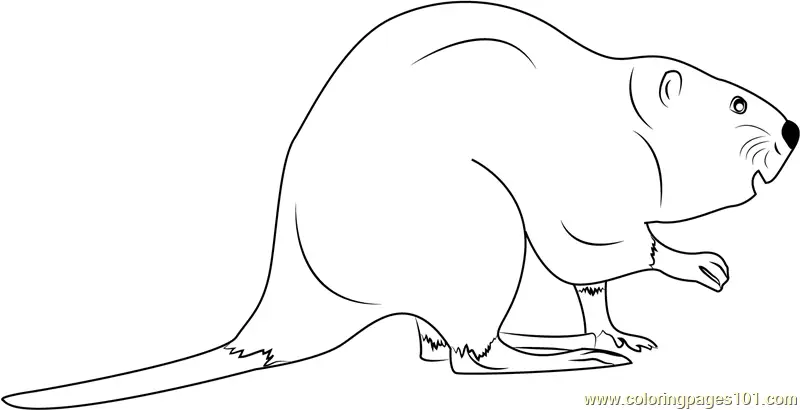
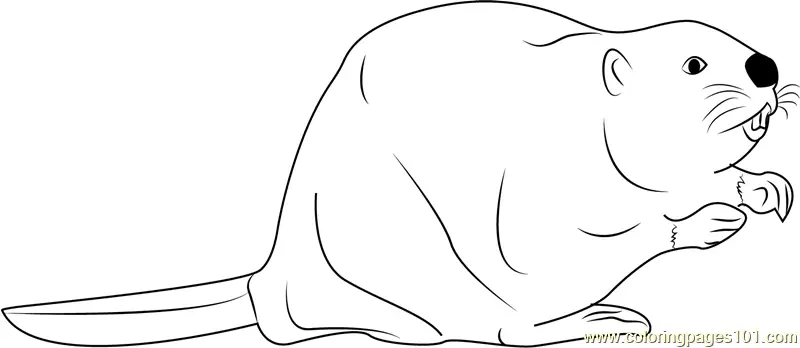
Beaver Coloring Pages
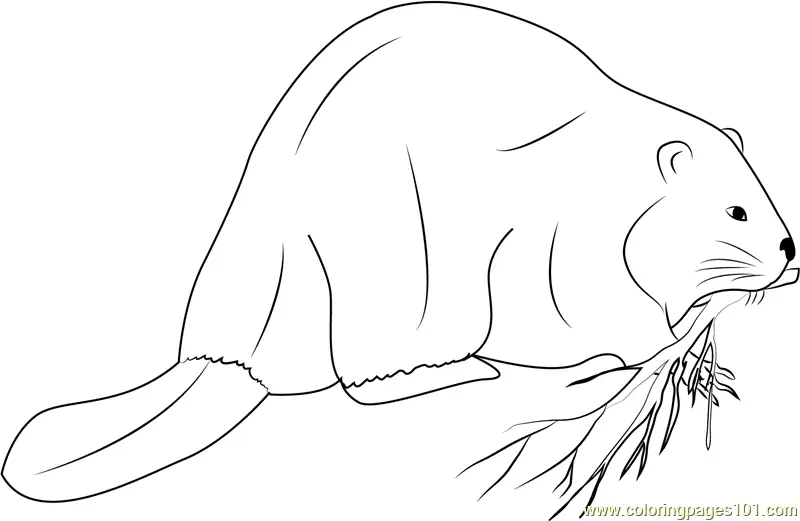
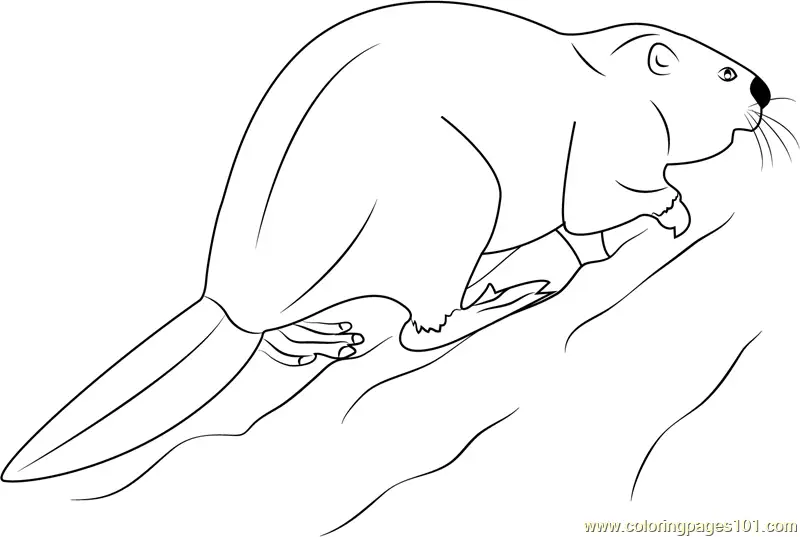
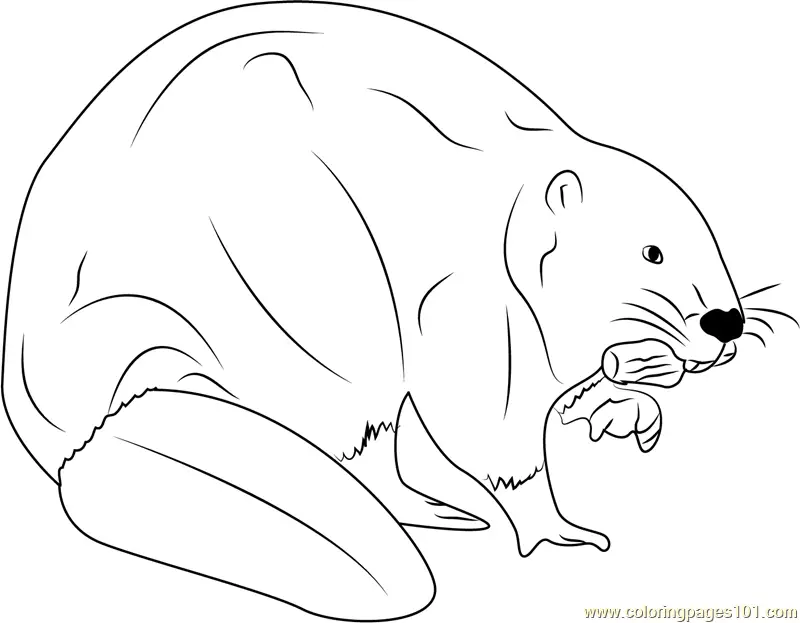
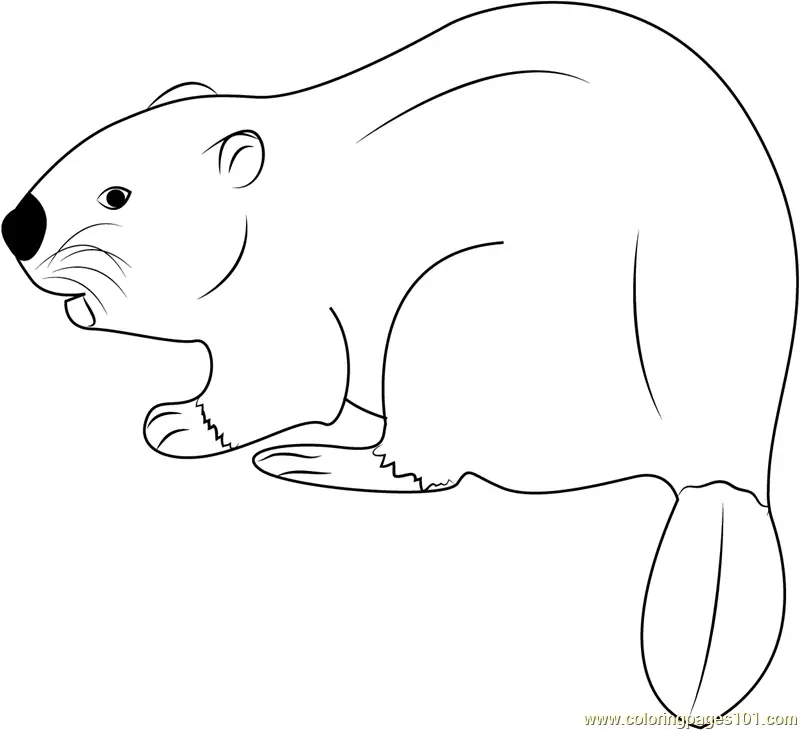
Children and adults alike find tremendous joy in exploring the fascinating world of aquatic mammals through artistic expression, and beaver coloring pages offer an exceptional opportunity to combine education with creative entertainment. These industrious creatures, known for building impressive dams and lodges, capture imaginations across all age groups. At Magic Fingers Art, we understand that quality matters when selecting materials for artistic projects, which is why our collection features meticulously designed illustrations that showcase these remarkable animals in their natural habitats. Every sheet presents unique details that encourage colorists to experiment with various techniques while learning about wildlife conservation and animal behavior through hands-on engagement.
The beauty of working with printable resources lies in their accessibility and convenience. Parents, teachers, and art enthusiasts can access our extensive library whenever inspiration strikes, eliminating the need to purchase expensive coloring book sets from retail stores. Our platform provides immediate gratification—simply select your favorite design, download it instantly, and begin your creative journey within minutes. This approach proves particularly valuable for educators who need last-minute classroom activities or parents seeking quiet-time entertainment for energetic youngsters during rainy afternoons or long car rides.
About Beaver Coloring Pages
Beaver coloring pages represent more than simple outlines waiting for color application; they serve as educational tools that introduce fundamental concepts about ecosystem engineering and animal adaptation. These semi-aquatic rodents possess distinctive features that make them fascinating subjects for artistic interpretation—their broad, flat tails used for swimming and communication, powerful front teeth capable of felling trees, and waterproof fur coats that keep them warm in cold water environments. When children engage with coloring pictures featuring these animals, they naturally develop curiosity about how beavers construct their homes, what they eat, and why they play such crucial roles in maintaining wetland ecosystems. Our designs range from simplified illustrations perfect for younger artists just developing fine motor skills to intricate, realistic renderings that challenge experienced colorists seeking detailed projects requiring patience and precision.
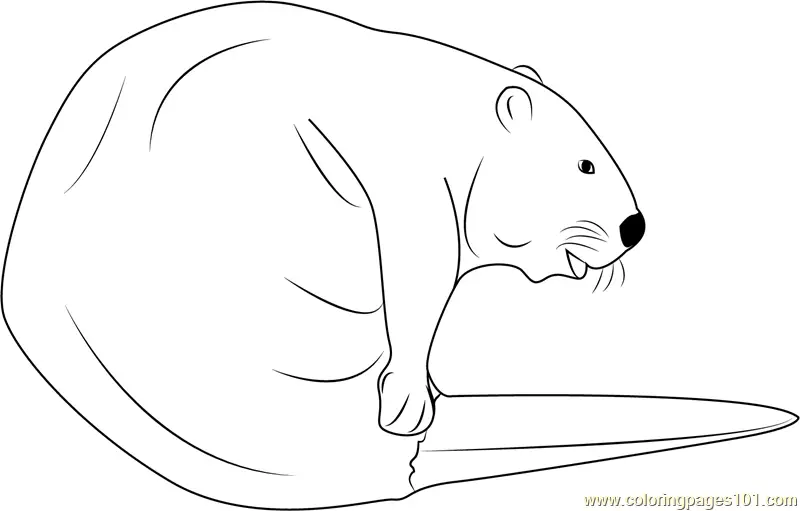
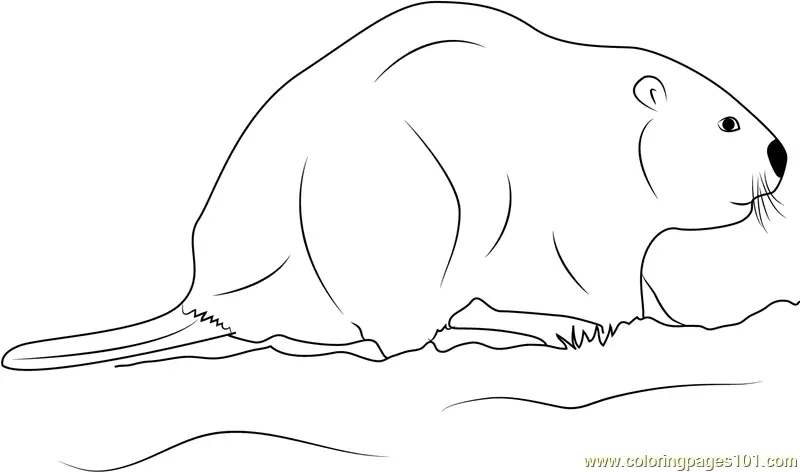
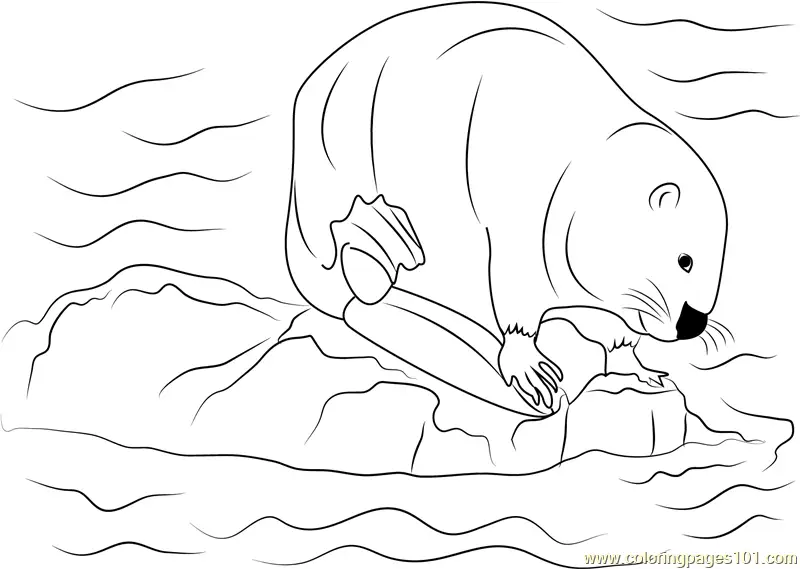
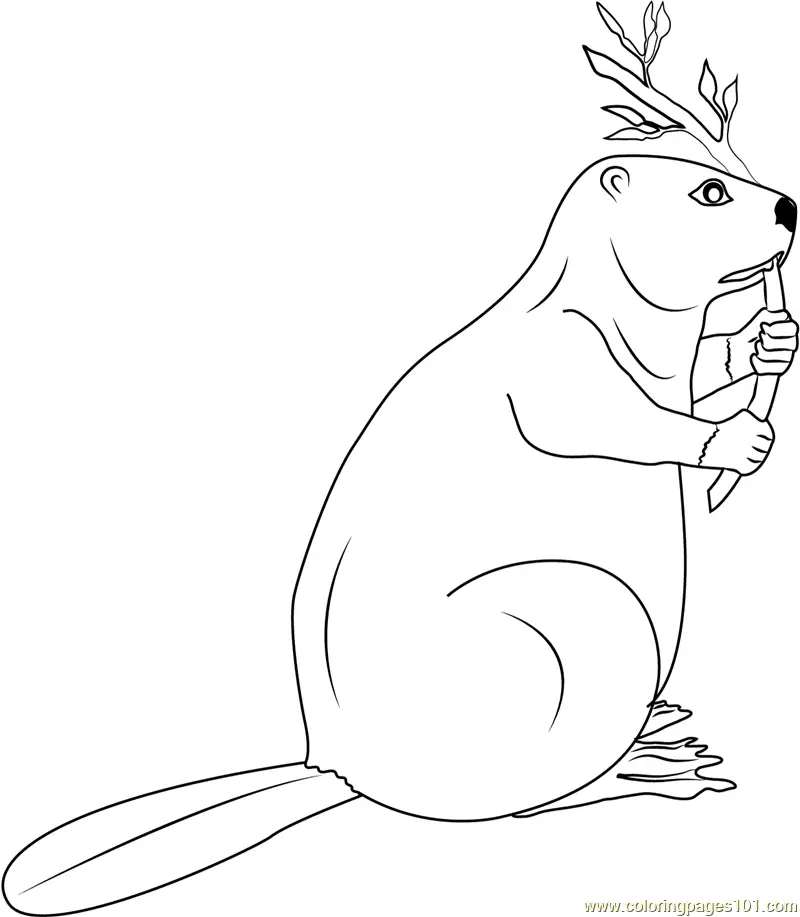
The variety available through Magic Fingers Art ensures that every visitor finds something matching their skill level and artistic preferences. Some pictures to color depict beavers engaged in characteristic behaviors like gnawing through tree trunks, swimming with branches clutched in their mouths, or sitting atop their carefully constructed lodges. Other designs place these creatures within broader environmental contexts, showing entire pond ecosystems complete with fish, birds, plants, and other wildlife that share habitats with beaver families. This diversity allows users to explore different artistic styles and color palettes while building comprehensive understanding of natural science topics. Whether someone prefers cartoon-style interpretations with friendly, anthropomorphized characters or scientifically accurate representations suitable for biology studies, our collection accommodates all preferences without compromising on quality or detail.
How to Get Started
Beginning your artistic adventure with our free coloring pages requires minimal effort and zero financial investment. Navigate through our carefully organized categories until you locate the beaver section, where dozens of designs await discovery. Each thumbnail preview allows you to examine the complexity level and composition before committing to download, ensuring you select sheets appropriate for your intended purpose. Once you've identified preferred designs, simply click the download button to save high-resolution files directly onto your device. These digital files maintain exceptional clarity whether you choose to print them on standard home printers or take them to professional printing services for larger formats or specialty paper stocks.
The technical specifications of our printable materials deserve special mention because they directly impact your final results. Every file undergoes rigorous quality checks to ensure clean lines, appropriate sizing, and optimal contrast ratios that work beautifully with various coloring mediums including crayons, colored pencils, markers, watercolors, and gel pens. Standard letter-size formatting (8.5 x 11 inches) fits perfectly in most printers without requiring adjustments, though the scalable nature of our files means you can resize them according to specific needs without losing image integrity. For classroom settings, teachers might print multiple copies of the same design to facilitate group activities where students compare their color choices and techniques. Families might create personalized coloring book compilations by printing favorite pages and binding them together with ribbons or spiral binding machines available at office supply stores.
Storage and organization strategies help maximize the value of downloaded resources. Create dedicated folders on your computer labeled by animal type, difficulty level, or seasonal themes so you can quickly locate specific coloring sheets when needed. Consider maintaining both digital archives and physical collections—print a few favorites immediately while keeping the rest available for future use. This hybrid approach provides flexibility while preventing waste from printing pages that might never get used. Many families establish rotating systems where they print fresh designs weekly, keeping artistic activities feeling novel and exciting rather than repetitive or boring.
Beaver Coloring Pages - Creative Coloring Ideas
Transforming blank beaver coloring pages into vibrant masterpieces involves more than simply filling spaces with random colors; thoughtful approach elevates ordinary activities into meaningful artistic experiences. Consider researching actual beaver coloration before beginning—these animals typically display rich brown fur ranging from light tan to deep chocolate hues, with some individuals showing reddish or grayish tones depending on geographic location and seasonal changes. However, artistic license encourages experimentation beyond realistic representations. Young children especially enjoy creating rainbow beavers with purple tails, green bodies, and pink teeth, exercising imagination while developing color recognition skills and personal aesthetic preferences.
Technique variation keeps the process engaging across multiple sessions. Try using different pressure levels with colored pencils to achieve shading effects that add dimensional quality to flat illustrations. Experiment with blending complementary colors where the beaver's body meets water, creating smooth transitions that suggest movement and reflection. Watercolor enthusiasts might practice wet-on-wet techniques for background elements like sky and water while using wet-on-dry methods for the beaver itself, producing interesting textural contrasts. Marker users can explore layering translucent colors to build depth and richness, starting with lighter shades as base coats before adding darker tones for shadows and definition.
Environmental elements within coloring pictures provide opportunities for creative storytelling. When working with designs showing beavers in their habitats, consider the time of day your scene represents—sunrise scenes might feature warm oranges and pinks in the sky, while nighttime settings could incorporate deep blues and purples with yellow moon highlights. Seasonal interpretations add another dimension; autumn scenes might include red and gold foliage, winter versions could feature snow-covered landscapes with bare trees, spring designs might showcase fresh green growth and blooming flowers, and summer illustrations could emphasize lush vegetation and bright sunshine. These contextual decisions transform simple coloring sheets into narrative artworks that tell stories about animal life cycles and environmental changes throughout the year.
Collaborative projects amplify the social benefits of coloring activities. Families might work together on large-format beaver scenes, with each member responsible for different sections—one person colors the main animal while others handle background details like trees, water, or sky. Classroom settings can facilitate learning through comparison activities where students color identical pages using different palettes, then discuss how color choices affect mood and visual impact. Art therapy applications utilize beaver coloring pages to promote relaxation and mindfulness, with practitioners guiding participants to focus on repetitive motions and color selection as meditative practices that reduce stress and anxiety while improving concentration and emotional regulation.
Advanced colorists seeking greater challenges might incorporate mixed media approaches that combine traditional coloring with additional artistic techniques. Add texture using salt sprinkled on wet watercolor washes to create interesting patterns in water areas. Use white gel pens or paint markers to add highlights after initial coloring is complete, making eyes sparkle or creating the appearance of water droplets on fur. Collage elements like real twigs glued onto the page where the beaver holds branches add three-dimensional interest. These experimental methods transform printable pages into unique art pieces worthy of framing and display rather than simple disposable activities.
Educational Benefits Beyond Entertainment
The cognitive advantages associated with coloring activities extend far beyond simple amusement, particularly when working with subject matter as rich as beaver coloring pages. Fine motor skill development occurs naturally as hands manipulate coloring instruments within defined boundaries, strengthening the small muscles necessary for writing, typing, and other precision tasks. Hand-eye coordination improves through the constant visual monitoring required to keep colors within lines and achieve desired effects. Younger children build spatial awareness by recognizing how different page sections relate to each other, understanding concepts like foreground versus background, and perceiving size relationships between the beaver and surrounding environmental elements.
Academic connections make these free coloring pages valuable supplements to formal education curricula. Science teachers incorporate them into units about ecosystems, food chains, animal adaptations, and environmental conservation. Geography lessons might use beaver distribution maps alongside coloring activities, helping students understand how these animals inhabit regions across North America and parts of Europe. History classes could explore how beaver fur trading influenced early American commerce and westward expansion, with coloring activities providing tactile reinforcement of abstract historical concepts. Language arts applications include creative writing assignments where students invent stories about the beavers they've colored, developing narrative skills while practicing descriptive vocabulary related to animals and nature.
Psychological research consistently demonstrates that coloring activities promote emotional well-being across all age demographics. The focused attention required creates meditative states similar to mindfulness practices, reducing cortisol levels associated with stress while increasing production of dopamine and serotonin that enhance mood and motivation. Adults recovering from illness or managing chronic conditions often incorporate coloring into therapeutic routines, finding that the combination of creative expression and achievable goals provides comfort during difficult periods. The non-competitive nature of working with pictures to color eliminates performance anxiety, allowing participants to engage fully without fear of failure or judgment.
Practical Tips for Optimal Results
Achieving professional-looking results from beaver coloring pages involves attention to several practical considerations that casual users might overlook. Paper selection significantly impacts final appearance—standard printer paper works adequately for many purposes, but heavier cardstock prevents marker bleed-through and provides more substantial feel suitable for display or gifting. Specialty papers designed specifically for different mediums optimize results; watercolor paper's textured surface holds moisture without warping, while smooth bristol board allows colored pencils to glide effortlessly and blend seamlessly.
Lighting conditions affect both the coloring process and finished product appearance. Natural daylight provides the most accurate color perception, helping artists make informed choices about shade selection and combination. When working under artificial light, full-spectrum bulbs designed to mimic natural sunlight prevent the color distortion that occurs under standard incandescent or fluorescent lighting. Proper illumination also reduces eye strain during extended coloring sessions, making the activity more comfortable and sustainable for longer periods.
Tool maintenance extends the lifespan of coloring supplies while ensuring consistent quality. Colored pencils benefit from regular sharpening using quality sharpeners that create clean points without breaking leads. Markers should be stored horizontally to keep ink distributed evenly, and caps must be replaced immediately after use to prevent drying. Crayons can be melted and reformed when they become too small to hold comfortably, giving new life to stubby remnants that might otherwise be discarded. These simple care practices maximize the value of art supply investments while teaching responsibility and resource conservation.
Sharing Your Artistic Creations with the World
Completed beaver coloring pages deserve appreciation beyond personal satisfaction. Display options range from simple refrigerator mounting using magnets to professional framing that transforms children's artwork into legitimate home décor. Creating dedicated gallery walls featuring rotating selections of colored pages validates young artists' efforts while adding personalized character to living spaces. Digital sharing through social media platforms allows proud creators to showcase their work to broader audiences, potentially inspiring others to explore similar activities while building online communities centered around coloring enthusiasm.
Magic Fingers Art encourages users to share their finished pieces through our community galleries, where colorists of all ages contribute their interpretations of our designs. This collective showcase demonstrates the incredible diversity possible when different individuals approach identical starting points with unique visions and techniques. Browsing these galleries provides inspiration for color combinations you might not have considered, techniques worth trying, and reassurance that there's no single "correct" way to complete any design. The supportive atmosphere celebrates effort and creativity rather than technical perfection, making participation accessible regardless of skill level or artistic background.
Gift-giving applications add practical value to coloring activities. Personalized greeting cards featuring hand-colored beaver designs carry special meaning that mass-produced alternatives cannot match. Grandparents especially treasure artwork created by grandchildren, often preserving these pieces for years as cherished mementos. Classroom exchanges where students color pages for peers promote social bonding and kindness while providing practice with giving and receiving compliments graciously. Charitable applications include coloring pages for hospital patients, nursing home residents, or deployed military personnel, spreading joy to individuals facing challenging circumstances.
Why Choose Magic Fingers Art for Your Coloring Adventures
Our platform distinguishes itself through unwavering commitment to quality, variety, and user experience. Unlike websites offering limited selections or low-resolution files that produce disappointing printed results, Magic Fingers Art maintains rigorous standards ensuring every beaver coloring page meets professional specifications. Our design team includes experienced illustrators who understand both artistic principles and educational value, creating images that balance aesthetic appeal with developmental appropriateness. Regular updates keep our collection fresh and responsive to user requests, with new designs added consistently based on community feedback and emerging trends in children's education and art therapy.
The completely free nature of our service removes financial barriers that prevent many families from accessing quality creative resources. No subscription fees, hidden charges, or premium tiers restrict access to our full library. We believe that artistic expression and educational enrichment should be available to everyone regardless of economic circumstances. This philosophical commitment drives our operations and informs every decision about content creation and platform development. Supporting our mission requires nothing more than using and enjoying the resources we provide, though we always appreciate when satisfied users recommend Magic Fingers Art to friends, family members, educators, and community organizations seeking reliable sources for printable activities.
Technical accessibility ensures smooth experiences across various devices and internet connections. Our website functions flawlessly on desktop computers, laptops, tablets, and smartphones, with responsive design automatically adjusting layouts for optimal viewing regardless of screen size. Fast loading times accommodate users with slower internet speeds, and straightforward navigation helps even technology-challenged individuals locate desired content without frustration. Clear labeling, intuitive organization, and helpful search functions minimize the time between deciding you want beaver coloring pages and actually beginning to color them.
Bringing Nature Indoors Through Artistic Expression
Working with beaver coloring pages creates meaningful connections between indoor activities and outdoor ecosystems. Many children today spend limited time in natural environments, missing opportunities to observe wildlife and develop appreciation for environmental conservation. While coloring cannot replace direct nature experiences, it serves as valuable introduction that sparks curiosity and builds foundational knowledge. Parents might use