```
Deer Coloring Pages: Unleash Your Creativity with Majestic Wildlife Art
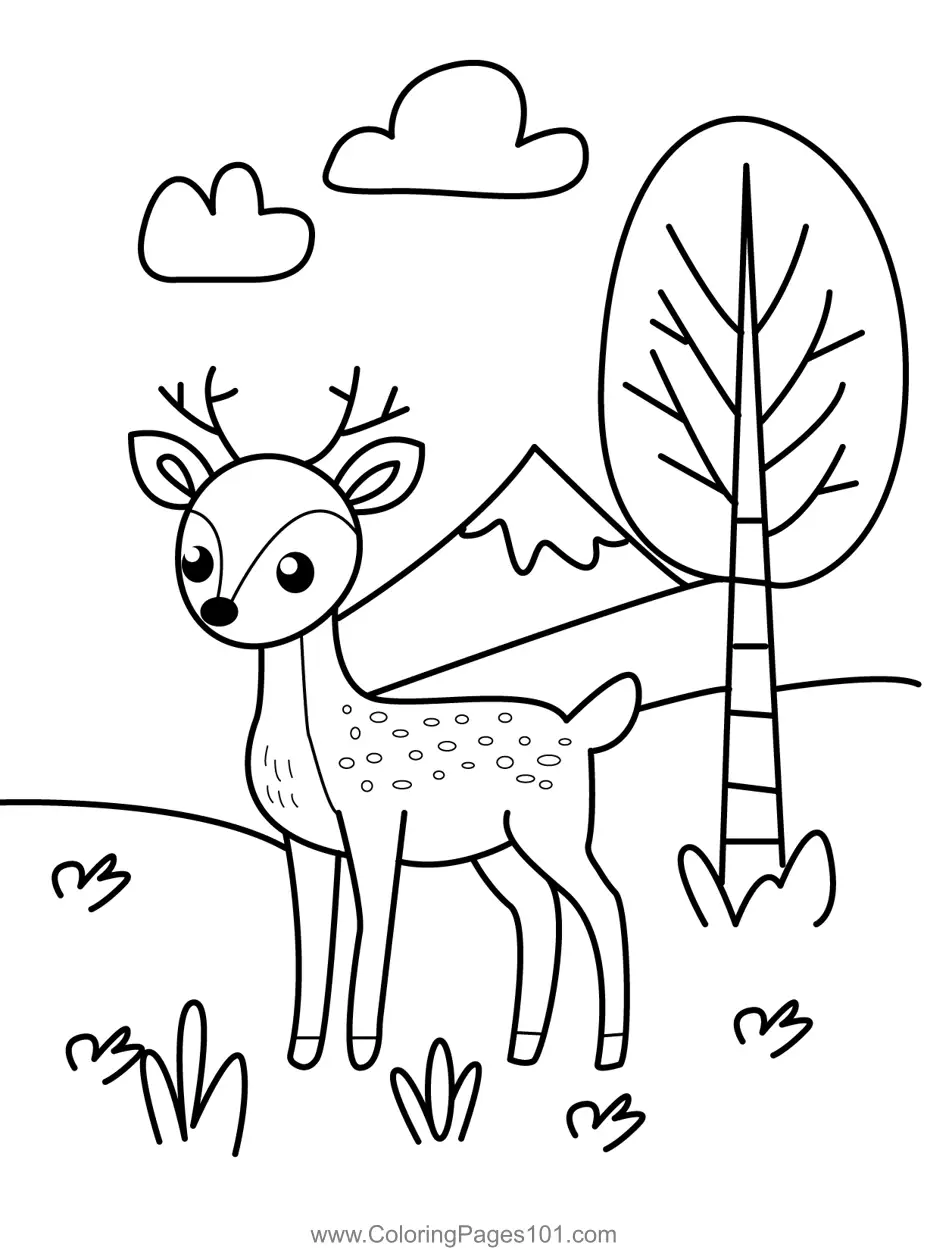
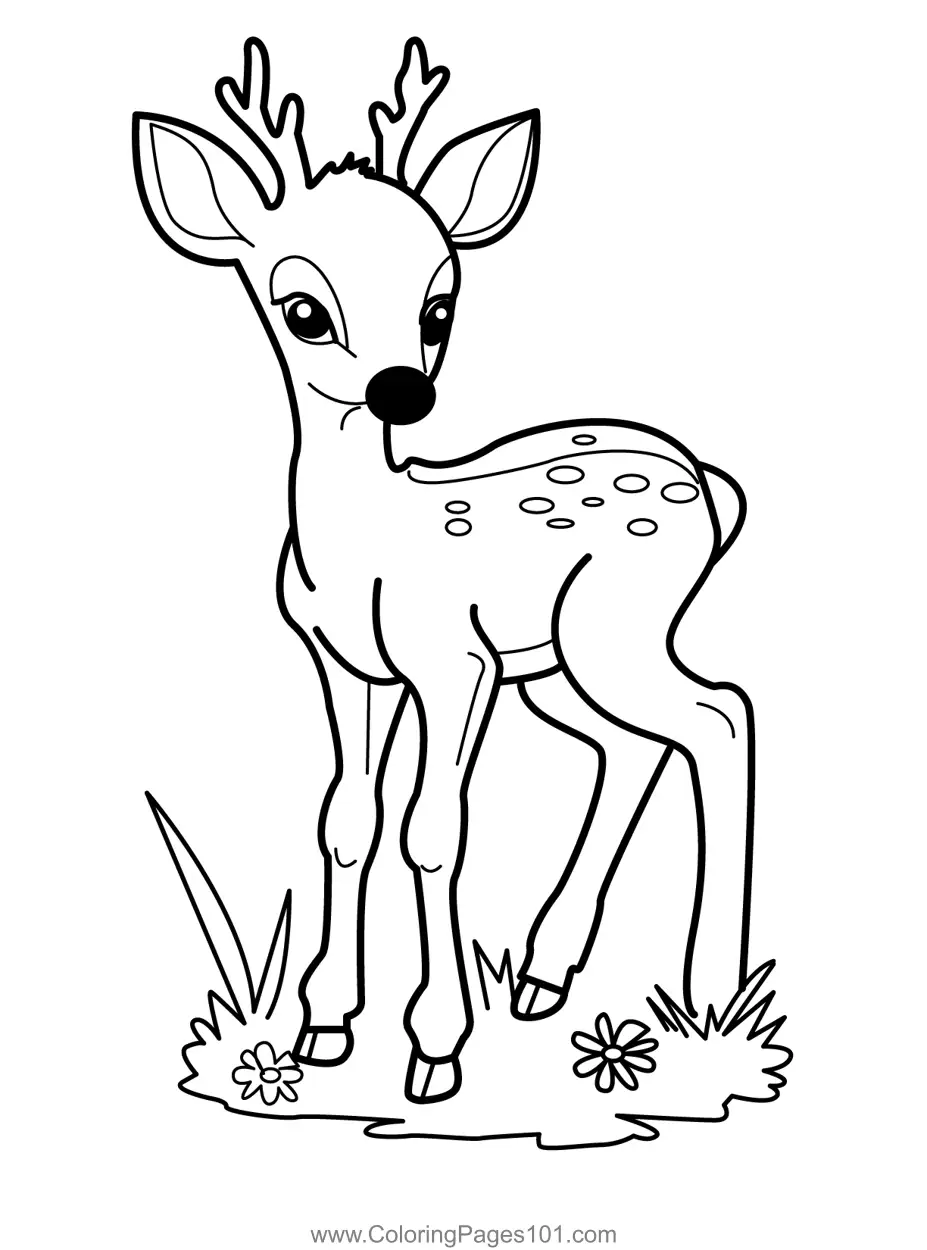
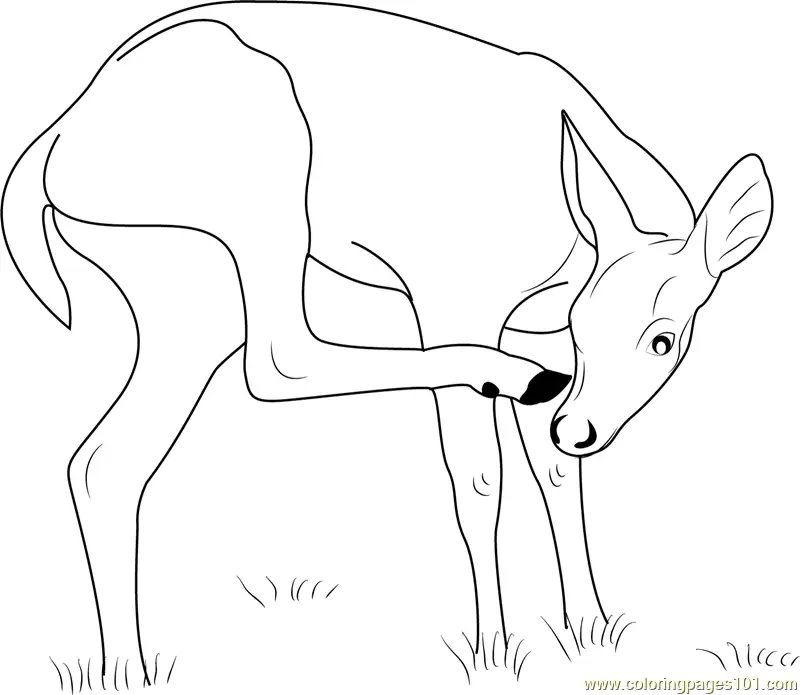
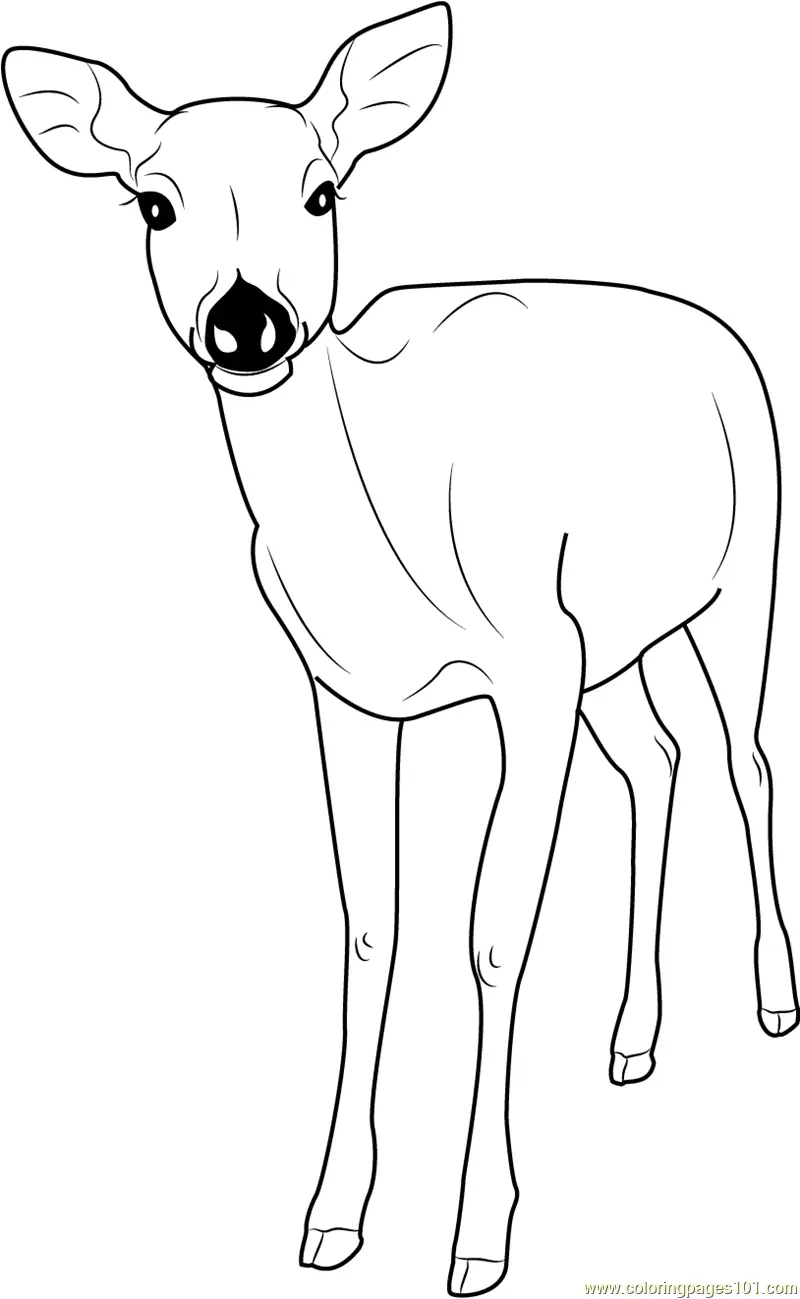
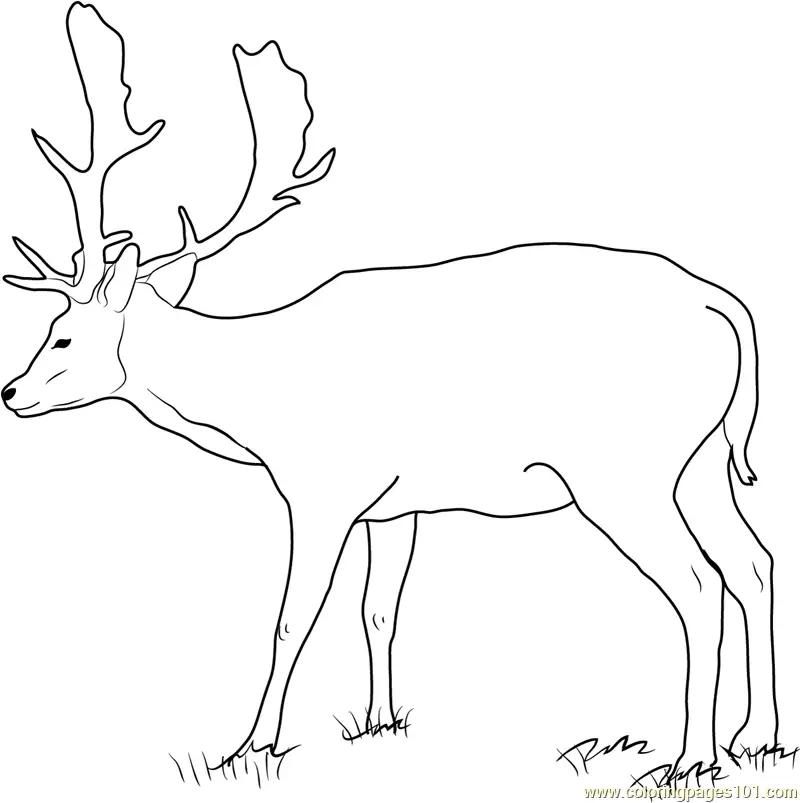
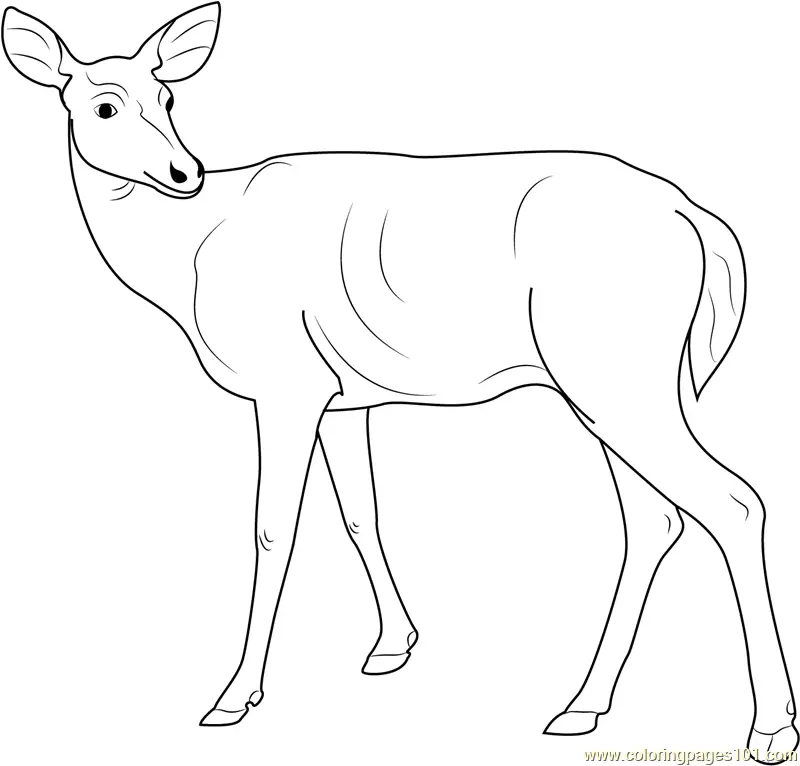
Discovering the perfect artistic activity for children and adults alike can transform ordinary afternoons into extraordinary creative experiences. Deer coloring pages offer an exceptional opportunity to explore nature's beauty while developing fine motor skills, concentration abilities, and artistic expression. These magnificent creatures, with their graceful antlers and gentle demeanor, have captivated human imagination for centuries, making them ideal subjects for coloring pictures that inspire both young artists and seasoned enthusiasts. At Magic Fingers Art, we understand the profound connection between wildlife appreciation and creative development, which is why our collection features stunning illustrations that capture every detail of these woodland inhabitants.
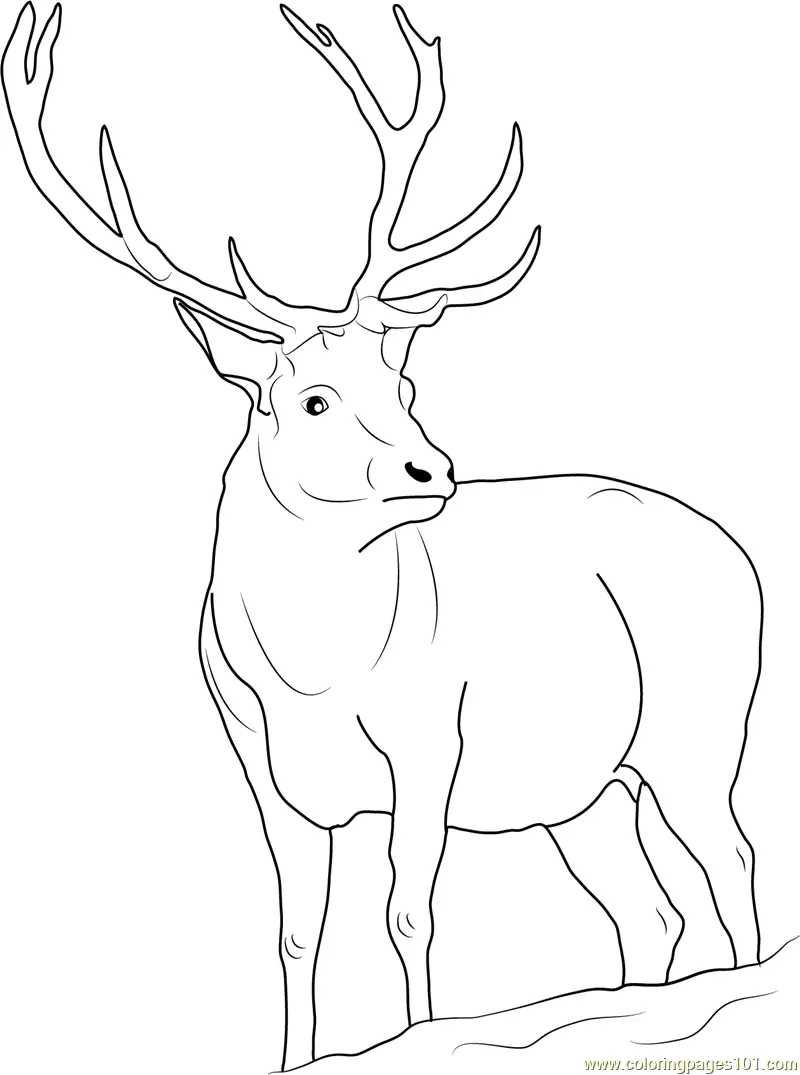
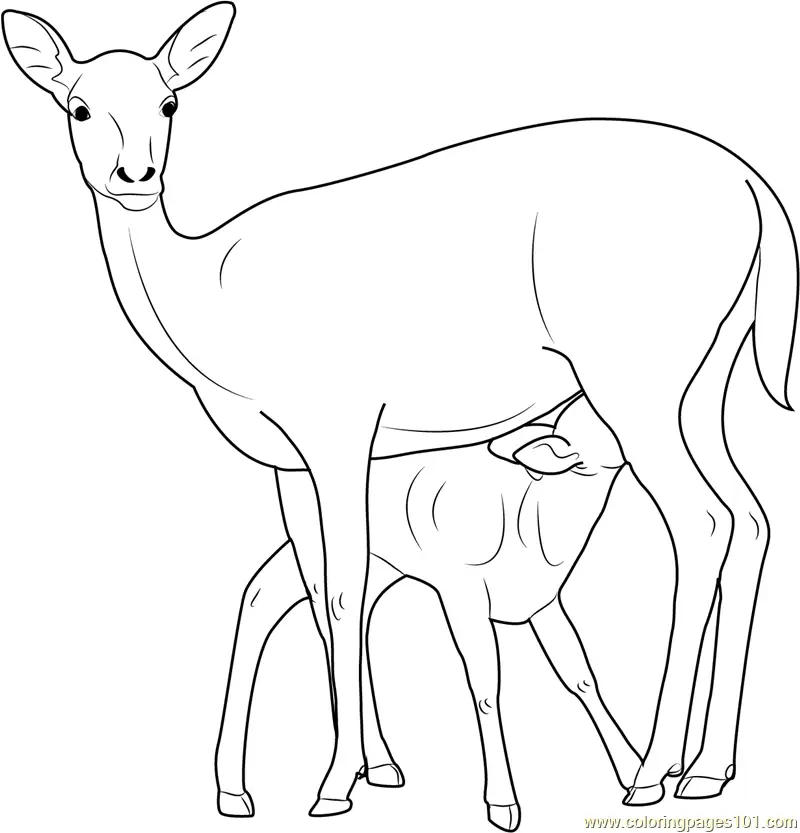
The therapeutic benefits of engaging with printable artwork extend far beyond simple entertainment. When you settle down with deer coloring pages, you're entering a meditative state that reduces stress, improves focus, and allows your mind to wander through peaceful forest landscapes. Each stroke of color brings these beautiful animals to life, whether you're depicting a majestic buck with impressive antlers standing proudly in a clearing or a gentle doe nurturing her spotted fawn beneath towering oak trees. Our carefully curated selection provides pictures to color that range from simple outlines perfect for younger children to intricate designs that challenge experienced colorists seeking detailed projects.
About Deer Coloring Pages at Magic Fingers Art
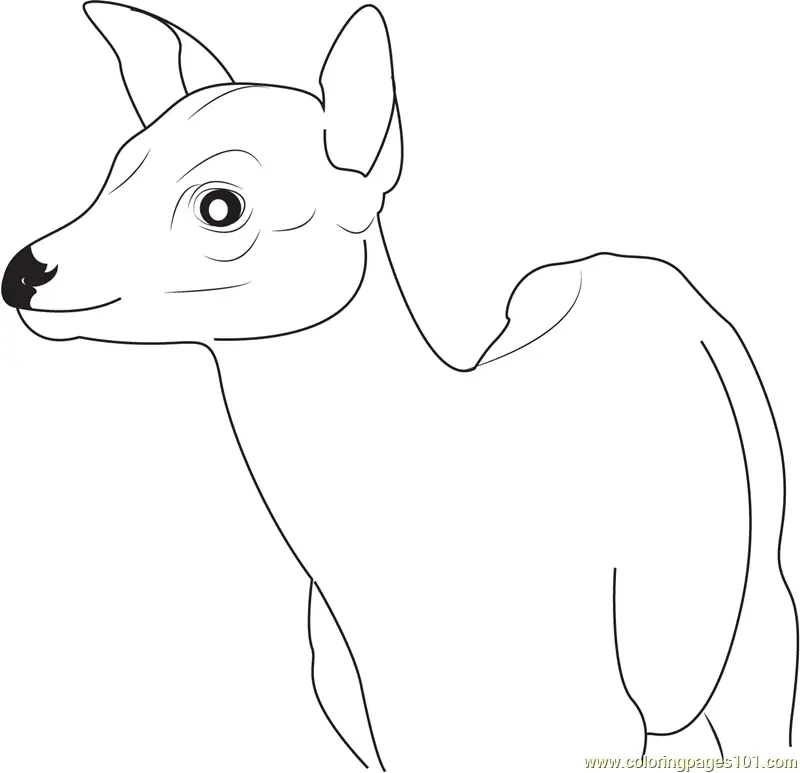
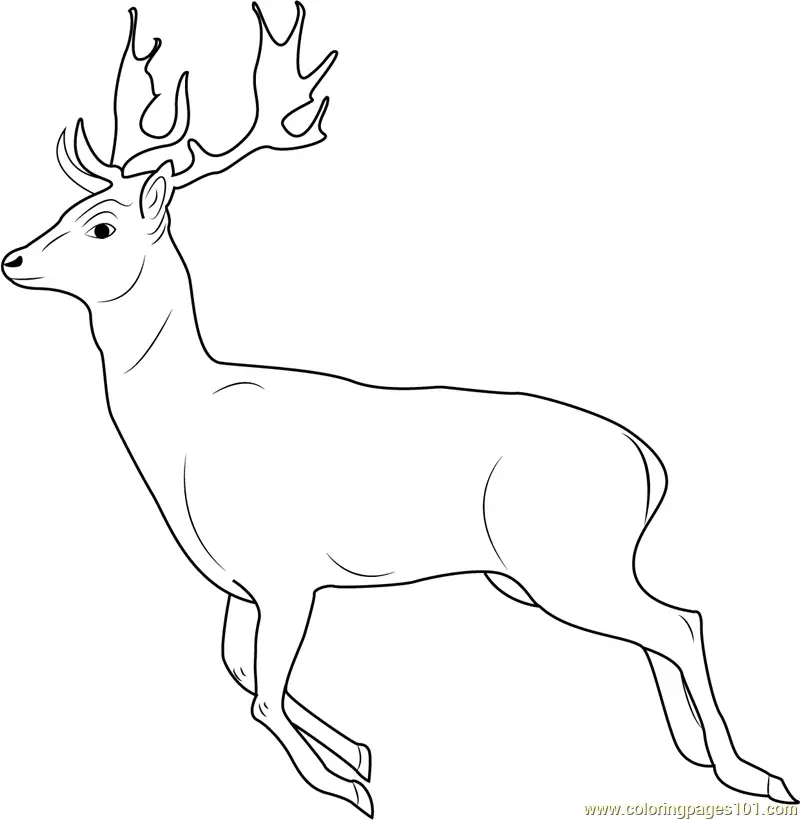
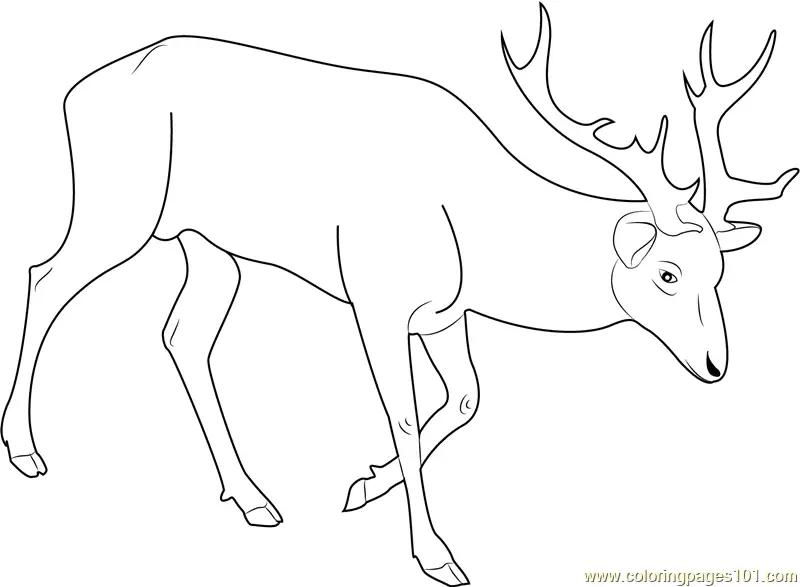
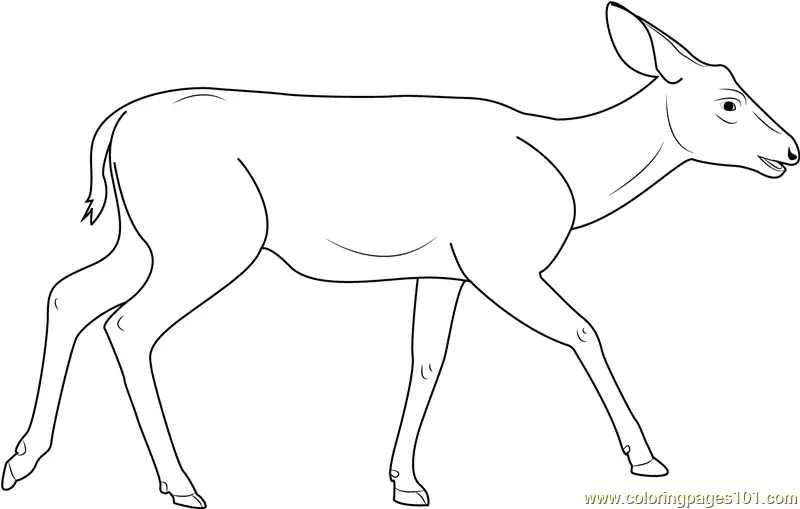
Magic Fingers Art takes pride in offering an extensive collection of deer coloring pages that showcase these remarkable animals in various poses, settings, and artistic styles. Our platform recognizes that every artist possesses unique preferences and skill levels, which is why we've developed a comprehensive library featuring everything from realistic anatomical representations to whimsical, stylized interpretations. The free coloring pages available on our site have been meticulously designed by professional illustrators who understand both wildlife anatomy and artistic composition, ensuring that each image provides an authentic yet accessible coloring experience. Whether you're searching for a solitary stag silhouetted against a sunset, a family group grazing in meadows, or close-up portraits highlighting the expressive eyes and delicate features of these creatures, our collection delivers exceptional variety.
Understanding the importance of accessibility, we've made our entire collection of deer coloring pages available as free coloring pages that anyone can download instantly. This commitment to providing quality artistic resources without financial barriers reflects our belief that creativity should be universally accessible. Parents seeking educational activities for their children will find our coloring sheets particularly valuable, as they combine entertainment with learning opportunities about wildlife, habitats, and environmental conservation. Teachers can incorporate these resources into lesson plans about forest ecosystems, animal behavior, or seasonal changes, while therapists might use them in art therapy sessions to promote relaxation and self-expression. The versatility of our printable designs means they adapt seamlessly to various contexts, from classroom settings to quiet evenings at home.
Each coloring book quality image in our collection has been optimized for printing, ensuring crisp lines and clear details regardless of your printer specifications. We've tested our deer coloring pages across multiple paper types and printing methods to guarantee consistent results. The line weight has been carefully calibrated to provide clear boundaries without overwhelming the design, allowing colorists to work with various mediums including colored pencils, markers, crayons, watercolors, or gel pens. This technical attention to detail distinguishes our offerings from generic alternatives found elsewhere online. Furthermore, our designs feature appropriate white space that prevents visual clutter while maintaining engaging composition, making them suitable for artists working with both precise techniques and broader, more expressive approaches.
How to Get Started with Your Deer Coloring Journey
Beginning your adventure with deer coloring pages requires minimal preparation but offers maximum creative satisfaction. First, browse through the Magic Fingers Art collection to identify designs that resonate with your current mood or skill level. Our intuitive website organization allows you to filter options based on complexity, style, or specific deer species if you're interested in particular varieties like white-tailed deer, mule deer, or reindeer. Once you've selected your preferred pictures to color, simply click the download button to save the high-resolution file to your device. These printable files are formatted in standard sizes that work perfectly with common paper dimensions, though you can adjust scaling settings if you prefer larger or smaller versions for specific projects.
After downloading your chosen coloring sheets, the printing process becomes straightforward. Standard printer paper works adequately for most coloring mediums, but cardstock provides superior results if you're planning to use markers or watercolors, as it prevents bleed-through and warping. Before committing to your final print, consider running a test page to ensure your printer settings produce optimal line clarity. Once you have your physical deer coloring pages ready, gather your preferred coloring tools and create a comfortable workspace with adequate lighting. Natural daylight offers the best color accuracy, though quality desk lamps provide excellent alternatives for evening sessions. Organizing your coloring implements beforehand streamlines the creative process, allowing you to focus entirely on artistic expression rather than searching for specific shades mid-project.
For those new to coloring as a hobby, starting with simpler deer coloring pages builds confidence before progressing to more intricate designs. Basic outlines featuring fewer details allow you to experiment with color combinations, shading techniques, and different mediums without feeling overwhelmed. As your skills develop, gradually transition to complex illustrations that incorporate background elements like forests, streams, or mountain ranges. These advanced free coloring pages challenge your abilities while providing immensely satisfying results. Don't hesitate to reference photographs of actual deer when selecting colors for realistic representations, or let your imagination run wild with fantastical palettes featuring purples, blues, and other non-traditional hues. The beauty of working with printable resources lies in their reusability—if you particularly love a design, print multiple copies to try different color schemes or techniques.
Deer Coloring Pages - Creative Coloring Ideas
Exploring innovative approaches to deer coloring pages elevates your artwork from simple coloring exercises to genuine artistic statements. Consider implementing gradient techniques that transition smoothly from one shade to another across the deer's body, creating dimensional effects that suggest muscle structure and natural contours. This method works particularly well with colored pencils, which allow precise control over color intensity through varied pressure application. Alternatively, experiment with complementary color schemes that place opposite hues from the color wheel in proximity—perhaps a warm orange-brown deer against cool blue-violet shadows—to create visual vibrancy that makes your coloring pictures truly pop off the page.
Seasonal themes offer another avenue for creative interpretation of deer coloring pages. Imagine a spring scene where you surround your deer with pastel wildflowers and fresh green foliage, or create an autumn masterpiece featuring rich burgundies, burnt oranges, and golden yellows in both the animal's coat and surrounding landscape. Winter compositions might incorporate cool grays and whites with subtle blue shadows, while summer designs could burst with vibrant greens and warm earth tones. These seasonal approaches transform standard coloring sheets into thematic artwork suitable for decorating your home throughout the year. You might even create a series of four identical deer coloring pages rendered in different seasonal palettes to display together as a cohesive collection.
Texture experimentation adds another dimension to your finished pieces. Try using stippling techniques with fine-tipped markers to create the appearance of fur texture, or employ cross-hatching with colored pencils to build depth in shadowed areas. Blending stumps or cotton swabs can soften harsh lines between colors, producing realistic gradations that mimic the subtle color variations found in actual deer coats. For those working with watercolors on appropriate paper, wet-on-wet techniques create beautiful, organic color flows that suggest movement and life. These advanced methods transform simple pictures to color into sophisticated artworks that showcase your developing skills and personal artistic voice.
Background enhancement significantly impacts the overall composition of your deer coloring pages. Rather than leaving backgrounds white, consider adding environmental context that tells a story about the deer's habitat. Forest scenes might include towering trees, dappled sunlight filtering through leaves, and undergrowth details. Meadow settings could feature tall grasses, wildflowers, and distant rolling hills. Even abstract backgrounds using geometric patterns or color washes can provide visual interest without overwhelming the primary subject. When working with printable designs from Magic Fingers Art, you'll notice that many illustrations include suggested background elements that you can develop as elaborately or simply as desired, giving you complete creative control over the final result.
Collaborative coloring projects offer wonderful opportunities for family bonding or classroom activities. Print multiple copies of the same deer coloring pages and compare how different individuals interpret identical line art through their unique color choices and techniques. This exercise demonstrates that creativity has no single correct answer while fostering appreciation for diverse artistic perspectives. Parents and children can work on matching designs side-by-side, with adults modeling techniques while respecting children's independent creative decisions. Teachers might use this approach to discuss topics like biodiversity, habitat conservation, or the changing seasons, integrating art with science education seamlessly. The accessibility of free coloring pages makes such projects economically feasible even for large groups.
Preservation of your completed coloring book pages ensures that your artistic efforts can be enjoyed for years to come. Consider investing in a portfolio or binder with clear protective sleeves to store finished pieces safely away from sunlight, moisture, and physical damage. Alternatively, photograph or scan your completed deer coloring pages to create digital archives that can be shared with distant family members, posted on social media, or compiled into personalized digital albums. High-quality scans also enable you to print your finished artwork onto various products through online printing services—imagine your colored deer design on greeting cards, calendars, or even canvas prints. This transforms your coloring hobby into a source of personalized gifts that carry special meaning because they showcase your own creative work.
Enhancing Skills Through Regular Practice with Deer Coloring Pages
Consistent engagement with deer coloring pages naturally develops artistic abilities that transfer to other creative pursuits. Regular practice trains your eye to recognize subtle color variations, understand how light affects surfaces, and appreciate the importance of composition in visual art. These foundational skills benefit anyone interested in drawing, painting, photography, or design fields. The low-pressure nature of coloring—working within established lines rather than creating forms from scratch—allows you to focus specifically on color theory, shading techniques, and finishing skills without the added challenge of draftsmanship. As confidence grows through repeated sessions with coloring sheets, many enthusiasts find themselves inspired to attempt original artwork, using their colored pieces as references for proportion, anatomy, and color relationships.
Tracking your progress over time provides tangible evidence of skill development and serves as powerful motivation to continue your artistic journey. Date each completed piece and store them chronologically so you can periodically review your evolution as a colorist. You'll likely notice improvements in color selection, more sophisticated shading techniques, and increased attention to detail in later works compared to earlier attempts. This visible growth reinforces the value of persistent practice while highlighting specific areas where you've made significant strides. Sharing this progression with others, whether family members or online communities dedicated to coloring enthusiasts, often generates encouraging feedback that further fuels your creative passion. The availability of unlimited free coloring pages at Magic Fingers Art ensures you'll never run out of fresh material to support continuous improvement.
Why Choose Deer as Your Coloring Subject
Among countless animal options available for pictures to color, deer hold particular appeal for multiple compelling reasons. Their elegant form combines graceful curves with distinctive features like antlers that provide both artistic challenge and visual interest. The natural color palette of deer—ranging from rich browns and tans to white underbellies—offers realistic coloring opportunities while remaining flexible enough to accommodate creative interpretation. Unlike more exotic animals that children might not encounter in their daily lives, deer appear in many regions, making them relatable subjects that connect young artists to their local environment. This familiarity enhances educational value, as coloring sessions can naturally lead to discussions about wildlife observation, animal behavior, and ecosystem roles.
The symbolic significance of deer across various cultures adds depth to the coloring experience. These animals represent gentleness, grace, intuition, and natural beauty in many traditions, making deer coloring pages particularly meaningful for those who appreciate symbolic art. Parents might use coloring time to share stories from different cultures that feature deer as important characters, enriching the activity with multicultural education. The seasonal associations of deer—particularly reindeer during winter holidays—create opportunities for themed coloring projects that align with celebrations and traditions. This cultural richness transforms simple coloring pictures into gateways for broader conversations about heritage, storytelling, and the human relationship with nature throughout history.
Maximizing the Educational Value of Printable Deer Coloring Sheets
Educators and parents can leverage deer coloring pages as multifaceted learning tools that extend far beyond art education. Biology lessons gain interactive components when students color anatomically accurate illustrations while learning about skeletal structure, muscle groups, and external features. Geography studies become more engaging when coloring sessions accompany lessons about different deer species' native habitats and ranges. Environmental science curricula naturally incorporate discussions about deer populations, predator-prey relationships, and human impact on wildlife when students work on related coloring sheets. This integration of art with academic subjects creates memorable learning experiences that appeal to visual learners and kinesthetic learners who benefit from hands-on activities.
Language development opportunities abound when adults engage children in conversation during coloring sessions with deer coloring pages. Younger children expand vocabulary by learning specific terms like "antlers," "hooves," "fawn," and "buck" while older students might explore more sophisticated concepts such as "camouflage," "herbivore," or "deciduous forest." Encouraging children to narrate stories about their colored deer—where it lives, what it's doing, who its friends might be—develops narrative skills and imaginative thinking. These informal educational moments, embedded within an enjoyable creative activity, often prove more effective than formal instruction because children remain relaxed and receptive. The free accessibility of quality printable