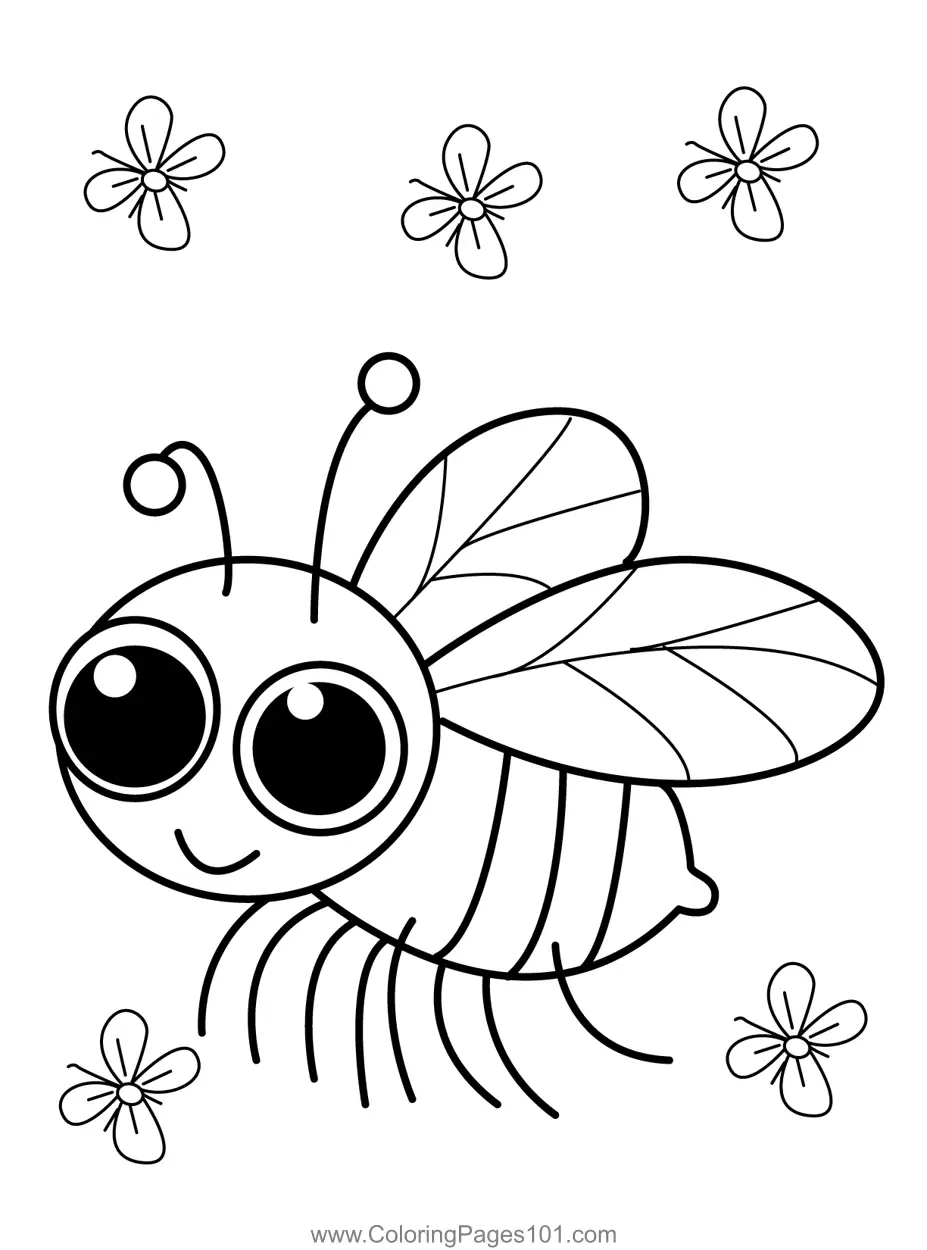
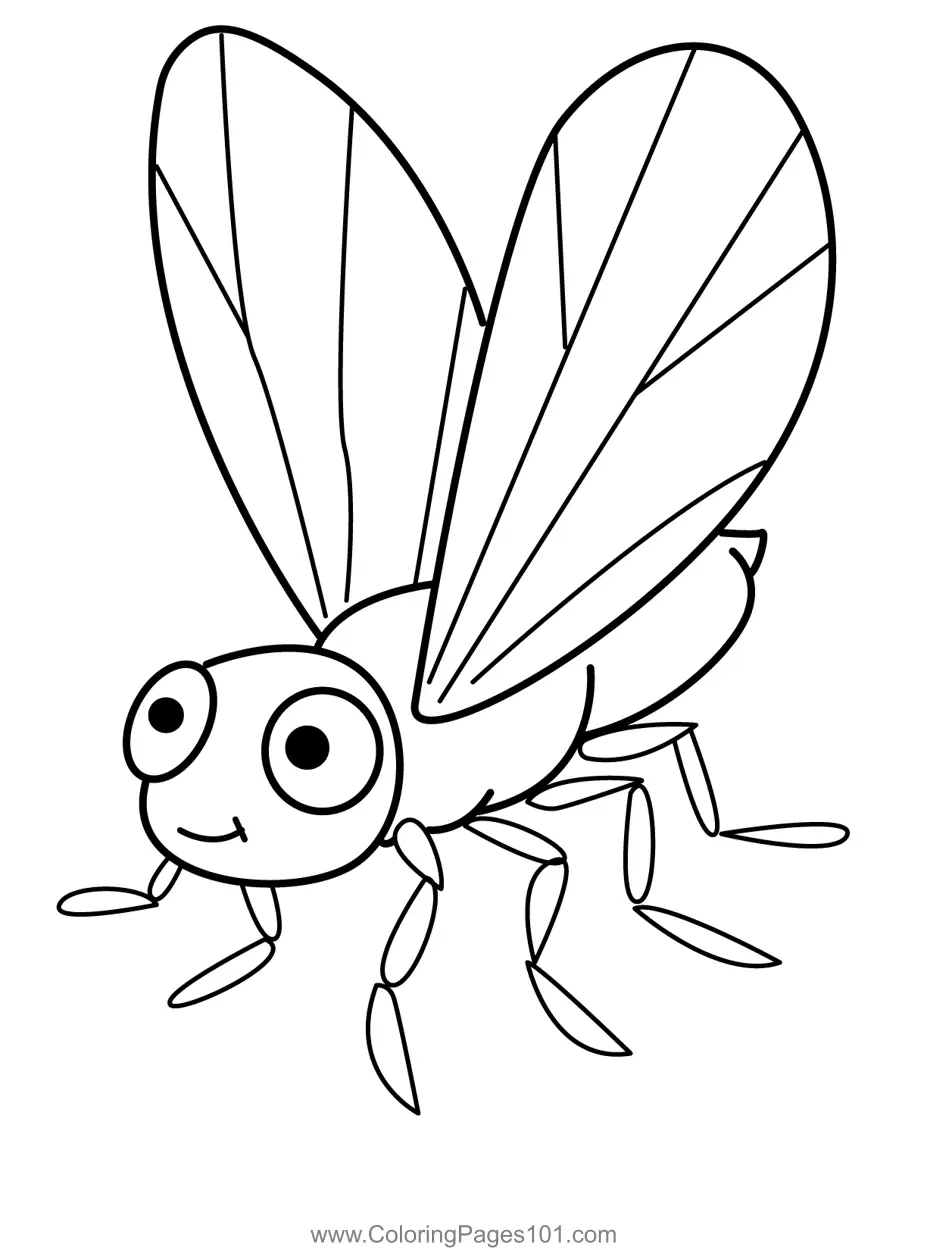
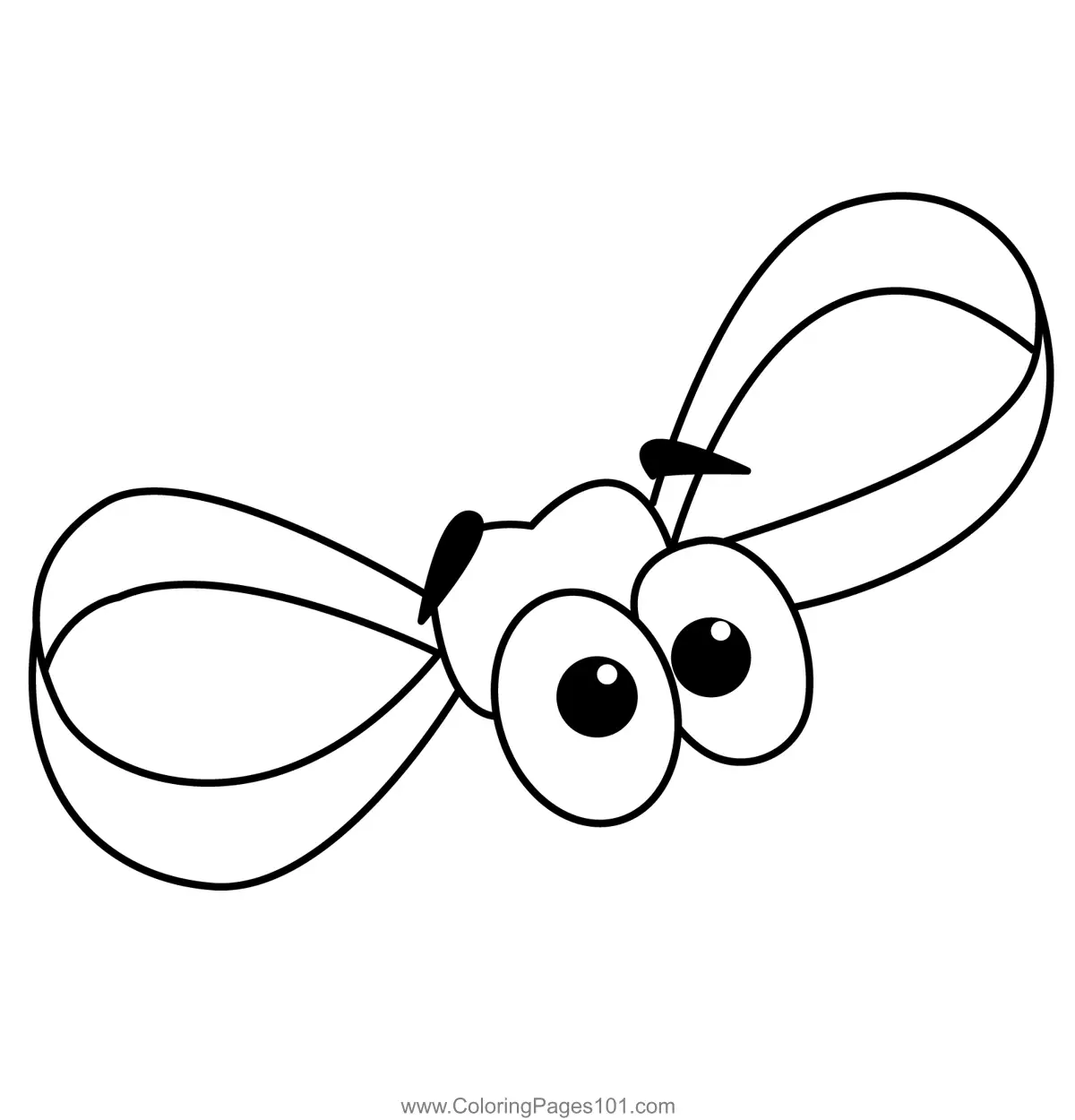
Flies Coloring Pages
Discovering engaging and educational activities for children can transform ordinary afternoons into memorable learning experiences. Flies coloring pages offer a unique opportunity to explore the fascinating world of insects while developing fine motor skills and creativity. At Magic Fingers Art, we understand that parents, educators, and young artists seek high-quality printable resources that combine entertainment with educational value. Our collection of flies coloring pages provides detailed illustrations that capture the intricate anatomy and diverse species of these remarkable creatures, making them perfect for both casual coloring enthusiasts and budding entomologists.
The beauty of working with insect-themed artwork lies in the incredible detail that nature provides. From the compound eyes to the delicate wing patterns, each coloring picture presents an opportunity to learn about biological structures while exercising artistic expression. Children who engage with these pictures to color develop observation skills as they notice the segmented bodies, transparent wings, and tiny legs that characterize different fly species. Whether you're searching for simple outlines suitable for younger children or complex designs that challenge advanced colorists, our free coloring pages cater to every skill level and age group.
About Flies Coloring Pages
Flies coloring pages represent more than simple entertainment—they serve as gateways to scientific discovery and artistic exploration. These insects, often overlooked in daily life, possess remarkable characteristics that become apparent when rendered in detailed illustrations. The common housefly, fruit fly, dragonfly, and butterfly (yes, technically a type of fly in broader classifications) each display unique features that make them excellent subjects for coloring sheets. When children select colors for these creatures, they engage in decision-making processes that enhance cognitive development while learning about biodiversity and ecosystem roles.
Our carefully curated selection at Magic Fingers Art includes anatomically accurate representations alongside stylized, whimsical interpretations that appeal to different preferences. Some illustrations showcase flies in their natural habitats—perched on fruit, hovering near flowers, or resting on leaves—providing context that enriches the coloring experience. These environmental elements transform a simple coloring book page into a miniature ecosystem study, encouraging conversations about pollination, decomposition, and food chains. Parents and teachers appreciate how these printable resources seamlessly blend art with science education, creating multidisciplinary learning opportunities that feel like play rather than structured lessons.
The versatility of flies coloring pages extends beyond individual use. Classroom teachers incorporate them into insect units, summer camp counselors distribute them during nature studies, and therapists utilize them in art therapy sessions focused on mindfulness and concentration. The repetitive motion of coloring combined with the need for careful attention to small details creates a meditative state that helps reduce anxiety and improve focus. Adults have increasingly discovered the therapeutic benefits of detailed coloring pictures, with insect designs offering the perfect balance of complexity and achievable completion. Our collection acknowledges this diverse audience by providing designs ranging from beginner-friendly outlines to intricate patterns that satisfy experienced colorists seeking challenging projects.
How to Get Started with Our Collection
Accessing our flies coloring pages couldn't be simpler, making it easy for anyone to begin their creative journey immediately. Visit Magic Fingers Art and browse through our extensive insect category, where you'll find numerous fly-themed options organized by complexity level and artistic style. Each free coloring page displays a preview thumbnail, allowing you to select designs that match your current mood or project requirements. Once you've identified your preferred illustration, simply click the download button to save the high-resolution file directly to your device. These files are optimized for standard home printers, ensuring crisp lines and clear details when you print them on regular paper.
For those planning extended coloring sessions or classroom activities, we recommend downloading multiple designs simultaneously to create a personalized coloring book. You can organize these printable pages in a three-ring binder or staple them together to form a custom collection focused entirely on flies and related insects. This approach works wonderfully for themed projects, such as creating an illustrated guide to local insect species or developing a comparative study of different fly families. The digital nature of our resources means you can print the same page multiple times, allowing siblings to work on identical designs or enabling artists to experiment with different color schemes on the same illustration.
Gathering appropriate coloring materials enhances the overall experience significantly. While basic crayons work perfectly well for younger children, older kids and adults might prefer colored pencils, markers, or gel pens that offer greater precision and color variety. Consider the paper quality when selecting your medium—standard printer paper handles crayons and colored pencils admirably, but markers may bleed through unless you use heavier cardstock. Many enthusiasts at Magic Fingers Art enjoy experimenting with mixed media approaches, using watercolor pencils for soft backgrounds and fine-tipped markers for detailed wing patterns. The coloring sheets we provide feature clean, bold outlines that accommodate various artistic techniques without losing structural integrity.
Flies Coloring Pages - Creative Coloring Ideas
Transforming flies coloring pages into extraordinary artwork requires imagination and willingness to experiment beyond conventional approaches. Rather than limiting yourself to realistic browns and blacks typically associated with common houseflies, consider exploring fantastical color palettes that turn ordinary insects into magical creatures. Imagine a fly with iridescent purple wings, a metallic gold body, and electric blue eyes—such creative interpretations encourage artistic freedom while maintaining the structural accuracy of the original illustration. This approach particularly appeals to younger children who haven't yet developed preconceived notions about "correct" colors, allowing their natural creativity to flourish without constraints.
Seasonal themes offer another avenue for creative exploration with your coloring pictures. During autumn, you might color flies using warm oranges, deep reds, and golden yellows that echo falling leaves. Winter-themed versions could feature cool blues, silvers, and whites with sparkly accents suggesting frost or snow. Spring designs might incorporate pastel pinks, soft greens, and lavender hues, while summer interpretations could burst with vibrant tropical colors. These seasonal variations transform the same printable template into entirely different artistic expressions, demonstrating how color choices dramatically impact visual perception and emotional response. Teachers can use this concept to discuss how environment influences appearance in nature, connecting art activities to broader scientific principles.
Background enhancement elevates simple coloring sheets into complete compositions worthy of display. Instead of leaving the background white, consider adding environmental context that tells a story about the fly's habitat or behavior. You might draw and color flowers to suggest a garden setting, sketch garbage bins to indicate an urban environment, or add fruit illustrations to show where certain fly species congregate. These additions transform isolated insect portraits into narrative scenes that engage viewers and demonstrate understanding of ecological relationships. Advanced colorists sometimes create gradient backgrounds using blending techniques, producing atmospheric effects that add depth and professional polish to their finished pictures to color.
Texture experimentation adds dimensional interest to flat coloring book pages. Try using stippling techniques (tiny dots) to create fuzzy body textures on bumblebees and similar flies, or employ cross-hatching to suggest the transparent, veined quality of wings. Metallic gel pens add realistic shine to compound eyes, while white highlights create the illusion of light reflection on glossy surfaces. Some artists at Magic Fingers Art incorporate unconventional materials like glitter glue for wing accents or use cotton swabs to apply chalk pastels for soft, blended backgrounds. These mixed-media approaches transform simple free coloring pages into tactile art pieces that engage multiple senses and showcase individual artistic style.
Educational Benefits Beyond the Crayon Box
Engaging with flies coloring pages delivers substantial educational benefits that extend far beyond simple entertainment value. As children carefully color within the lines of segmented insect bodies, they develop hand-eye coordination and fine motor control essential for writing readiness. The concentration required to complete detailed coloring pictures strengthens attention span and builds patience—qualities increasingly valuable in our distraction-filled digital age. Parents often notice improved pencil grip and increased writing stamina in children who regularly engage with printable coloring activities, as the muscles and neural pathways developed during coloring directly transfer to academic tasks.
Scientific literacy grows organically through repeated exposure to accurate insect anatomy presented in our coloring sheets. Children begin recognizing that flies possess six legs (not eight like spiders), two wings (distinguishing them from four-winged insects), and compound eyes with thousands of individual lenses. These observations, made casually during creative play, form foundational knowledge for future biology studies. Curious young minds often ask questions while coloring—"Why do flies have such big eyes?" or "What are these fuzzy things on their legs?"—creating natural teaching moments that parents and educators can expand into deeper explorations of adaptation, evolution, and ecological niches. The pictures to color become conversation starters that bridge art and science seamlessly.
Color theory understanding develops intuitively as artists experiment with different combinations on their flies coloring pages. Children discover that complementary colors create visual excitement, while analogous colors produce harmonious, soothing effects. They learn through direct experience that layering colors creates depth and dimension, while leaving strategic white spaces suggests highlights and form. These artistic principles, absorbed through playful experimentation with free coloring pages, establish aesthetic sensibilities that inform future creative endeavors across multiple mediums. Adults returning to coloring after years away often rediscover forgotten artistic instincts, finding that the simple act of selecting and applying colors reconnects them with innate creative capacities that daily responsibilities had obscured.
Building Your Personal Insect Art Collection
Creating a comprehensive collection of completed flies coloring pages provides tangible evidence of artistic growth and skill development over time. We encourage users of Magic Fingers Art to date their finished coloring pictures and store them chronologically in portfolios or display binders. Reviewing earlier work alongside recent creations reveals remarkable progress in color selection, shading techniques, and attention to detail—progress that might otherwise go unnoticed in the moment-to-moment practice. This documentation becomes particularly meaningful for children, offering concrete proof of their developing abilities and boosting confidence in their artistic potential.
Display strategies transform completed coloring sheets from hidden drawer contents into celebrated artwork that brightens living spaces. Consider creating a rotating gallery wall where new pieces replace older ones monthly, or use clipboards as changeable frames that make updating displays effortless. Some families designate a "coloring wall" where everyone's contributions hang together, celebrating both children's and adults' creative efforts equally. Teachers often laminate exceptional student work to create durable classroom decorations that withstand the school year while showcasing student achievement. These display practices communicate that the time invested in printable coloring activities produces results worthy of appreciation and preservation.
Repurposing finished flies coloring pages extends their value beyond initial completion. Scan or photograph your best work to create personalized greeting cards, bookmarks, or gift tags that carry special meaning because they're handmade. Some crafters cut out colored fly illustrations to use in scrapbooking projects, nature journals, or mixed-media collages. Digital artists photograph their coloring book pages and apply filters or effects using photo editing software, creating hybrid traditional-digital artworks. These secondary uses demonstrate that a single free coloring page can generate multiple creative outputs, maximizing the return on the time and materials invested in the original coloring session.
Bringing Nature Study Home Through Art
Flies coloring pages serve as excellent companions to outdoor nature observation, creating connections between artistic representation and living specimens. After spending time watching real flies in gardens or parks, children return home with fresh appreciation for the details captured in their pictures to color. They notice how accurately the illustrations depict the rapid wing movements, the way light reflects off compound eyes, or the delicate leg structures that allow flies to walk on ceilings. This reciprocal relationship between observation and artistic interpretation deepens understanding of both the natural world and the illustrator's craft, fostering respect for accuracy in scientific illustration.
Pairing coloring sheets with age-appropriate insect field guides creates integrated learning experiences that appeal to multiple learning styles. Visual learners absorb information from the illustrations, kinesthetic learners engage through the physical act of coloring, and reading/writing learners benefit from accompanying text descriptions. Parents can read facts about different fly species while children color corresponding printable pages, creating multisensory learning sessions that improve information retention. This approach works equally well in homeschool settings, traditional classrooms, or informal family learning time, demonstrating the versatility of quality free coloring pages as educational tools.
Seasonal nature studies gain structure and continuity when documented through themed flies coloring pages. Spring units might focus on emerging insects and pollination, with corresponding coloring pictures showing flies visiting flowers. Summer studies could explore decomposers and their ecological roles, illustrated through flies on compost or natural debris. Autumn lessons about migration and life cycle completion pair beautifully with images of flies in various developmental stages. Winter sessions might compare how different insects survive cold months, with flies represented in dormant or sheltered positions. This cyclical approach to nature education, supported by relevant coloring book pages, helps children understand seasonal patterns and develop long-term observational skills.
Why Magic Fingers Art Stands Apart
Our commitment at Magic Fingers Art to providing exceptional flies coloring pages reflects our understanding of what makes coloring resources truly valuable. Every illustration in our collection undergoes careful review to ensure anatomical accuracy, appropriate complexity for the intended age group, and clean lines that reproduce clearly when you print them at home. We recognize that educators need reliable resources they can trust to support curriculum goals, while parents seek activities that genuinely engage children rather than simply occupying time. Our free coloring pages meet these dual needs by combining educational content with inherently enjoyable creative expression.
The diversity within our fly-themed collection ensures that users never exhaust their options, regardless of how frequently they visit our site. We continuously add new designs featuring different species, artistic styles, and complexity levels, keeping the selection fresh and exciting for returning visitors. Whether someone seeks realistic scientific illustrations suitable for biology students or whimsical cartoon flies perfect for preschoolers, our printable library accommodates their needs. This variety also supports differentiated instruction in classroom settings, allowing teachers to assign appropriate coloring sheets that challenge advanced students while remaining accessible to those still developing fine motor skills.
Accessibility remains central to our mission, which is why all our flies coloring pages remain completely free without hidden costs or subscription requirements. We believe that high-quality educational resources should be available to everyone, regardless of economic circumstances. Parents shouldn't need to choose between purchasing commercial coloring book products and providing enriching activities for their children. Teachers already stretching limite