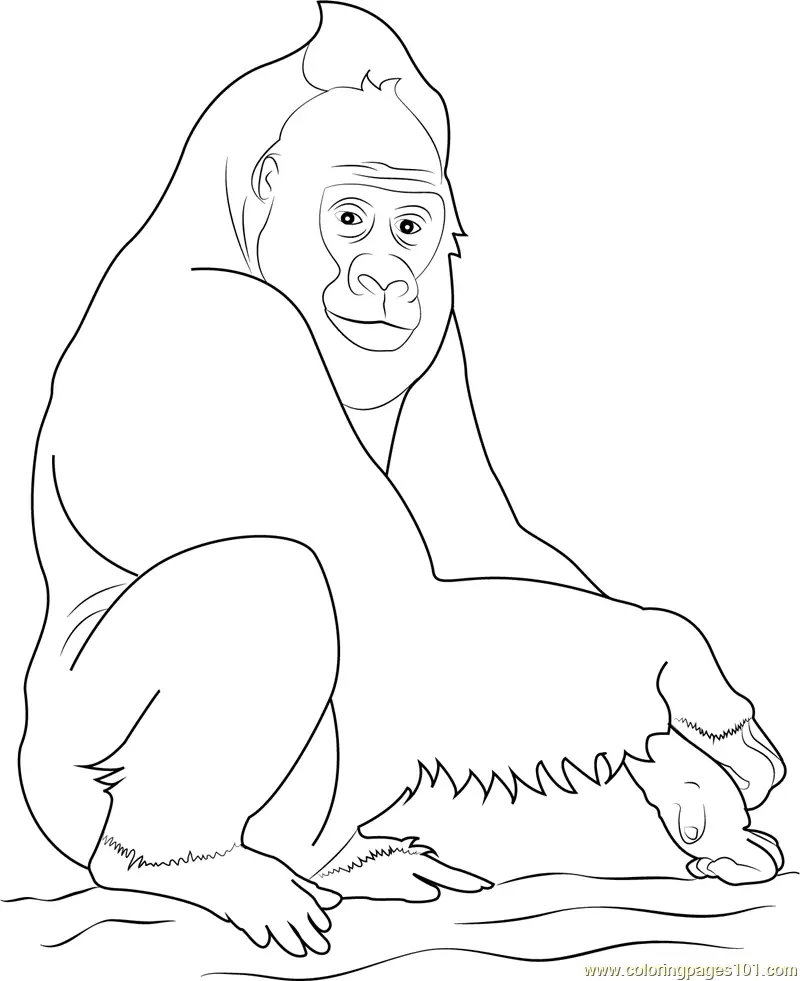
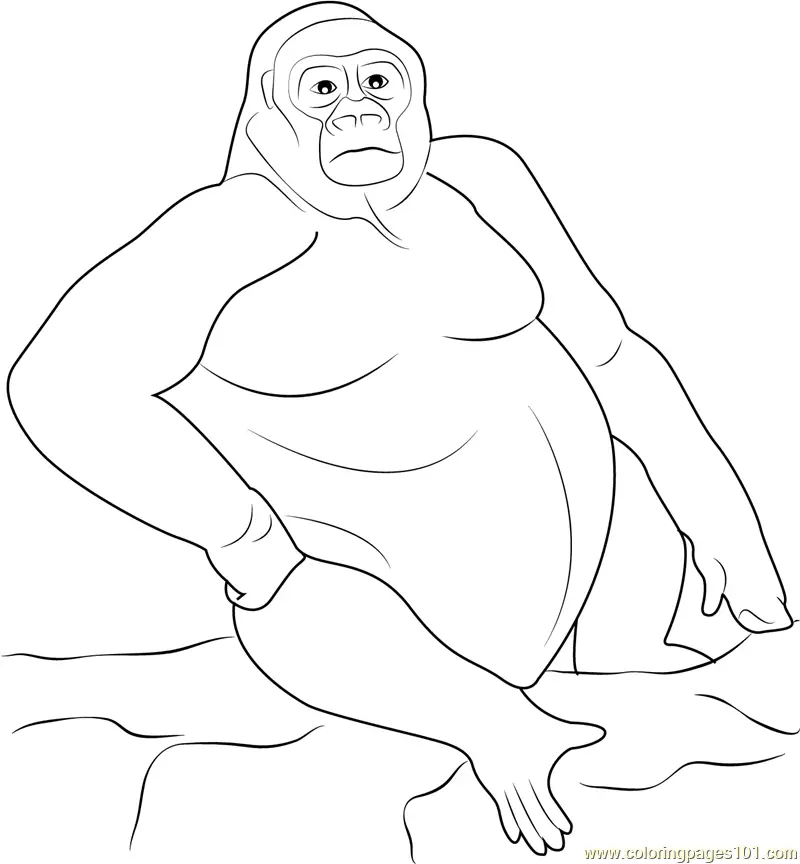
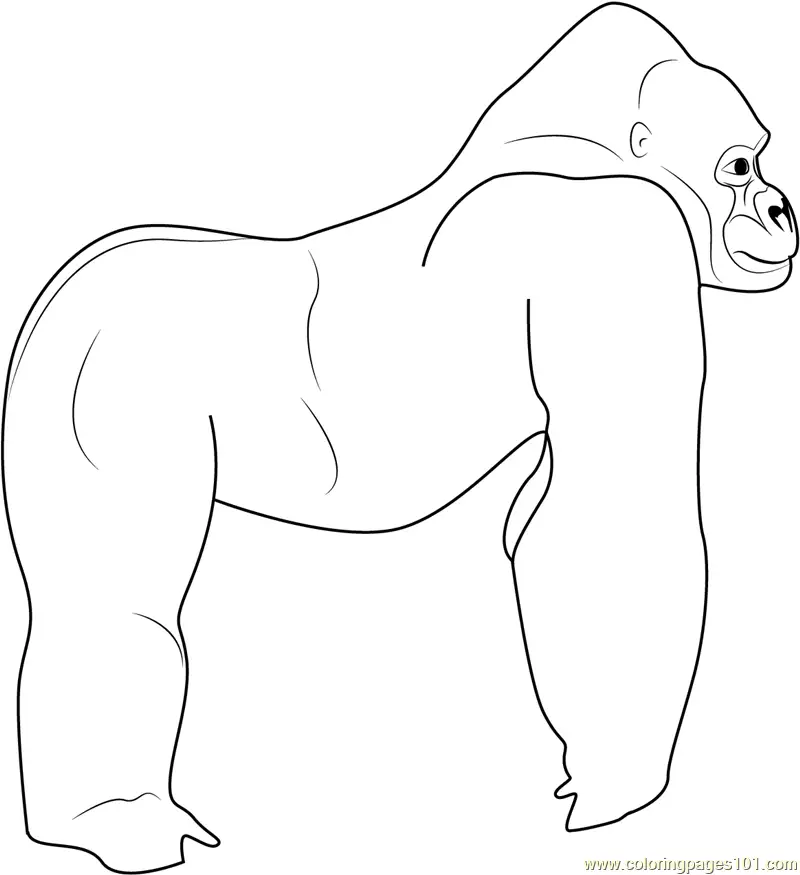
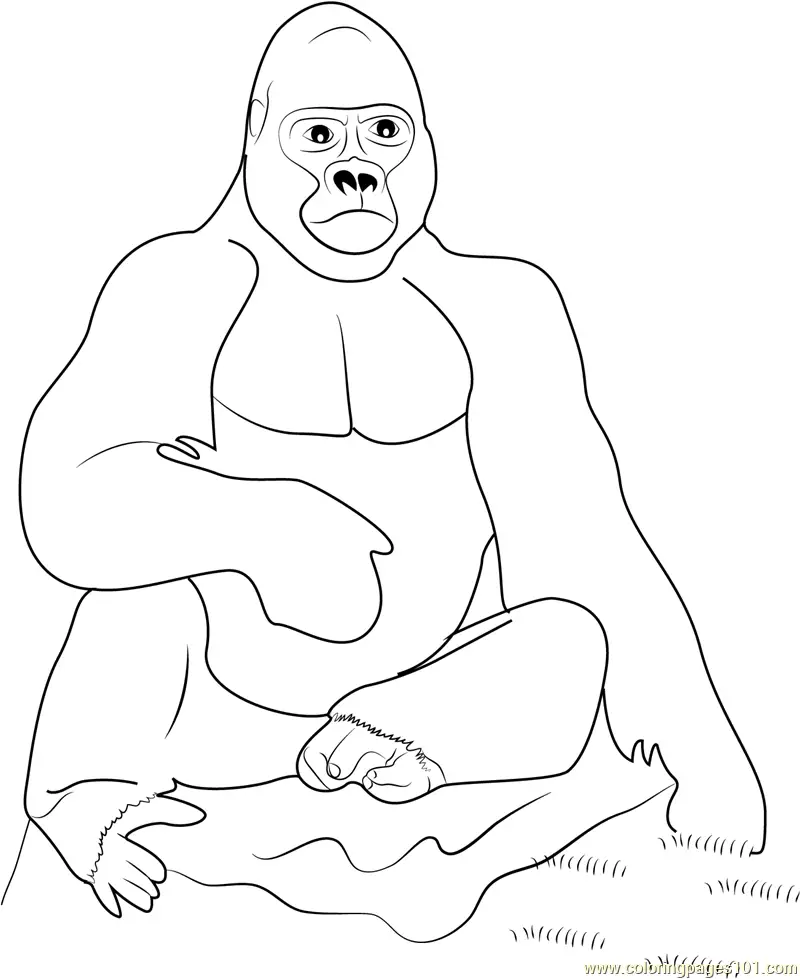
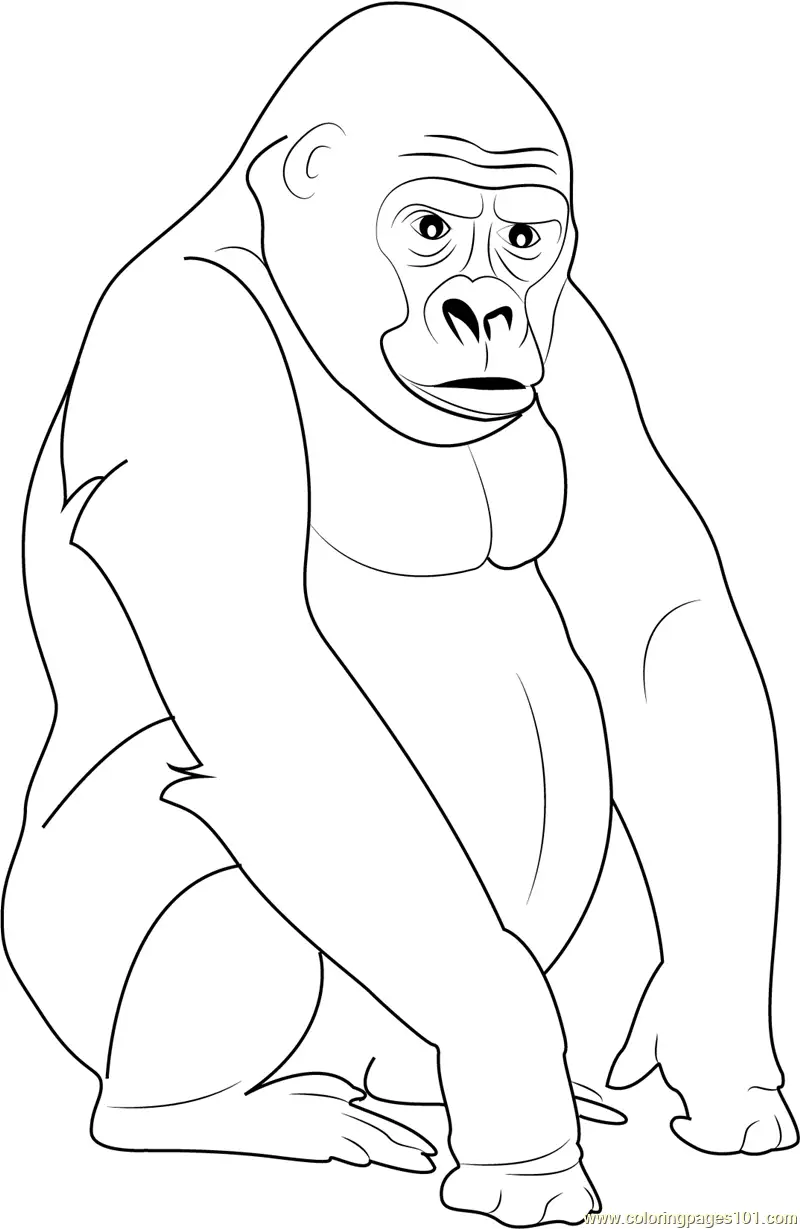
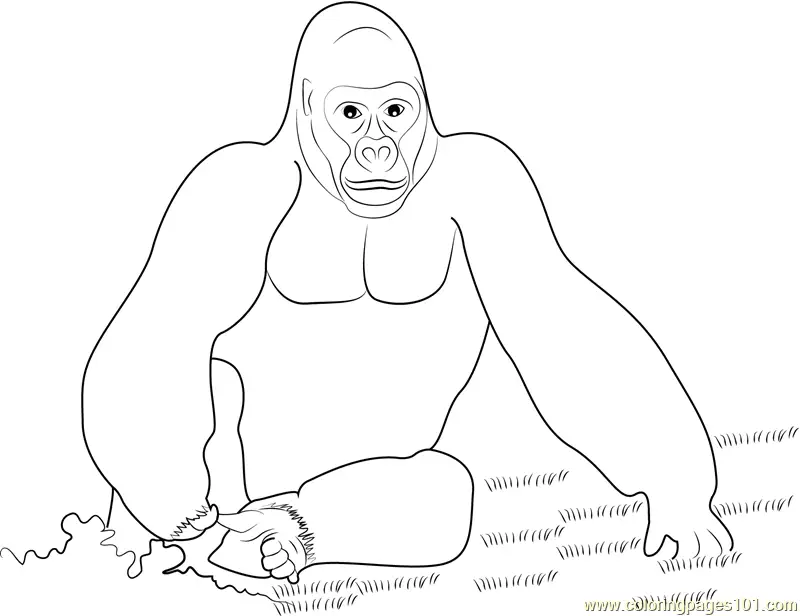
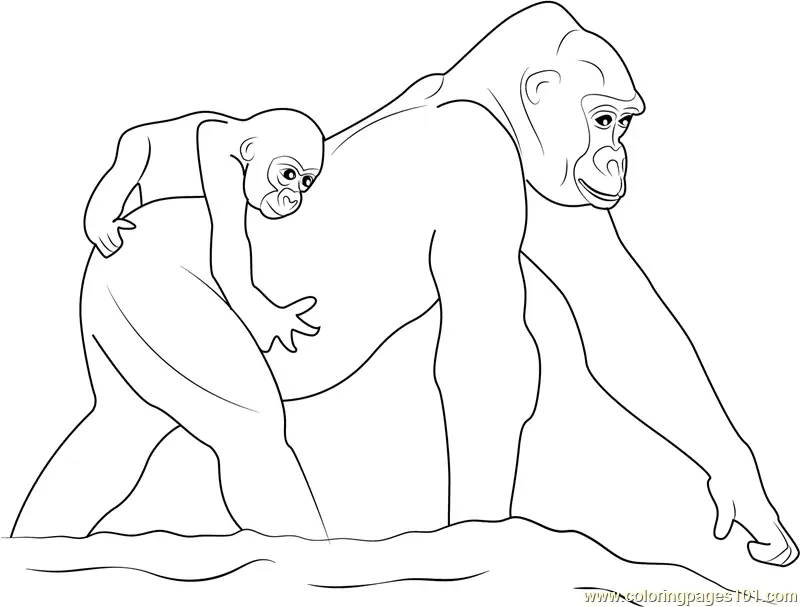
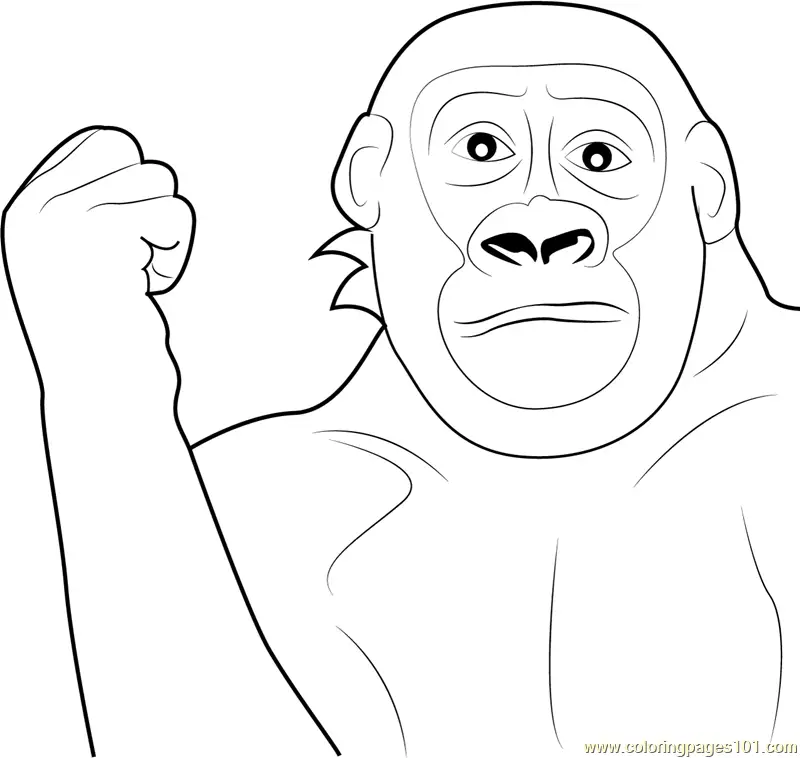
Gorilla Coloring Pages
Discovering the perfect creative outlet for children and adults alike can transform ordinary afternoons into extraordinary artistic adventures. Gorilla coloring pages represent an exceptional opportunity to explore the magnificent world of these gentle giants while developing fine motor skills, concentration abilities, and artistic expression. At Magic Fingers Art, we've curated an outstanding collection that brings these powerful primates to life through intricate designs and engaging illustrations. Whether you're seeking educational entertainment for young learners or therapeutic relaxation for grown-ups, our printable collection offers something special for every skill level and artistic preference.
The majestic gorilla stands as one of nature's most fascinating creatures, embodying strength, intelligence, and surprisingly gentle family bonds. Through our carefully designed coloring sheets, enthusiasts can appreciate the intricate details of gorilla anatomy, from their expressive eyes to their powerful hands that share remarkable similarities with human features. Each illustration captures different aspects of gorilla life—some showcase silverback leaders in commanding poses, while others depict playful youngsters swinging through jungle canopies or tender moments between mothers and their babies. These pictures to color serve as windows into the rainforests of Africa, allowing artists to imagine themselves observing these incredible animals in their natural habitat.
About Gorilla Coloring Pages
Gorilla coloring pages available through Magic Fingers Art provide an immersive educational experience wrapped in creative fun. Our collection features anatomically accurate representations that help children learn about primate biology while enjoying artistic expression. Parents and educators appreciate how these free coloring pages combine entertainment with learning opportunities, making them perfect resources for homeschool curricula, classroom activities, or quiet time at home. The variety within our selection ensures that beginners can find simple outlines suitable for younger children, while advanced colorists discover complex patterns featuring detailed fur textures, jungle backgrounds, and realistic facial expressions that challenge their shading techniques.
What sets our gorilla coloring pages apart is the attention to detail and diversity of scenes presented. You'll find illustrations depicting gorillas in various activities—foraging for food, caring for offspring, resting in tree nests, or displaying dominance behaviors. This variety teaches children about animal behavior patterns while keeping the coloring experience fresh and engaging. Furthermore, our designs incorporate educational elements subtly woven into the artwork, such as native plants from gorilla habitats, which can spark conversations about ecosystems, conservation efforts, and the importance of protecting endangered species. These coloring pictures become conversation starters that extend learning beyond the page itself.
The therapeutic benefits of working with our printable gorilla designs extend far beyond childhood. Adults increasingly turn to coloring as a mindfulness practice, and the intricate details found in realistic gorilla illustrations provide the perfect focus for meditative coloring sessions. The repetitive motion of filling spaces with color, combined with concentration on staying within lines and choosing harmonious color palettes, creates a calming effect that reduces stress and anxiety. Our coloring book quality designs offer enough complexity to fully engage the adult mind while providing a welcome break from digital screens and daily pressures.
How to Get Started with Gorilla Coloring Pages
Beginning your artistic journey with gorilla coloring pages from Magic Fingers Art couldn't be simpler or more convenient. Our platform allows you to browse through numerous designs, preview each illustration in detail, and select exactly which pictures to color match your current mood or skill level. Once you've chosen your favorites, downloading takes just seconds, and you can immediately print them on standard home printers. We've optimized every design to work beautifully with regular printer paper, though heavier cardstock produces even more impressive results that can be framed or displayed as finished artwork.
For those new to coloring or working with younger artists, starting with simpler gorilla coloring pages builds confidence and fundamental skills. Look for designs featuring bold outlines and larger spaces between details—these prove easier for small hands to navigate and help children develop the hand-eye coordination necessary for more complex projects later. As skills progress, gradually introduce coloring sheets with finer details, textured backgrounds, and more realistic proportions. This progressive approach prevents frustration while maintaining engagement and enthusiasm for the activity.
Gathering appropriate coloring materials enhances the overall experience significantly. Crayons remain the classic choice for young children due to their durability and ease of use, but colored pencils offer greater control for detailed work and sophisticated shading techniques. Markers provide vibrant, bold colors that make coloring pictures pop with intensity, though they require careful handling to prevent bleeding through paper. Many artists enjoy combining different media within a single piece—perhaps using colored pencils for fine fur details while employing markers for bold background elements. Experimenting with various tools helps you discover personal preferences and develops versatility in artistic expression.
Creating a dedicated coloring space, even if it's just a corner of the kitchen table, signals that this activity deserves focused attention and respect. Good lighting is essential for distinguishing between similar colors and reducing eye strain during longer sessions. Organizing coloring supplies in accessible containers keeps materials tidy and makes cleanup effortless, which is particularly important when working with children. Consider keeping a portfolio folder specifically for completed gorilla coloring pages—watching this collection grow over time provides tangible evidence of improving skills and creates a wonderful archive of artistic development.
Gorilla Coloring Pages - Creative Coloring Ideas
Transforming gorilla coloring pages into truly exceptional artwork requires thinking beyond basic color application. Consider researching actual gorilla species before beginning—mountain gorillas, western lowland gorillas, and eastern lowland gorillas each possess slightly different physical characteristics and colorations. Using reference photographs while coloring increases realism and turns the activity into an educational research project. Children especially enjoy learning that gorillas aren't simply black or gray; their coats contain subtle variations of brown, auburn, and silver tones that create depth and dimension when thoughtfully applied to printable designs.
Experimenting with unconventional color schemes unleashes creativity and produces striking results. While realistic coloring teaches observation skills, imaginative approaches encourage artistic freedom and self-expression. Try creating a "rainbow gorilla" using every color in your collection, or design a "galaxy gorilla" with purples, blues, and silver highlights suggesting a cosmic creature. These fantastical interpretations make excellent conversation pieces and demonstrate that art doesn't always require strict adherence to reality. Such creative freedom particularly appeals to children who might feel intimidated by trying to achieve perfect realism in their coloring pictures.
Background elements within gorilla coloring pages deserve as much attention as the central subject. Many of our designs include jungle foliage, tree branches, or mountain landscapes that provide context for the gorilla figure. Developing these backgrounds with thoughtful color choices creates cohesive compositions rather than isolated subjects floating on white paper. Consider using cooler, lighter colors for background elements to make the gorilla appear closer and more prominent—this technique, called atmospheric perspective, adds professional polish to finished pieces. Alternatively, create dramatic contrast by using bold, saturated colors in backgrounds while keeping the gorilla in more subdued, natural tones.
Texture techniques elevate coloring sheets from simple fill-in activities to genuine artistic expressions. Instead of coloring gorilla fur with solid, uniform strokes, try varying pressure on colored pencils to create lighter and darker areas suggesting the direction of hair growth. Cross-hatching with different colored pencils builds rich, complex tones that appear more sophisticated than single-color applications. For younger artists, simply encouraging them to use different stroke directions—vertical for tree trunks, circular for leaves, diagonal for fur—introduces fundamental artistic concepts while keeping the process enjoyable and age-appropriate.
Sharing completed gorilla coloring pages extends the joy beyond the individual artist. Create a gallery wall displaying favorite finished pieces, rotating new additions regularly to keep the display fresh and provide ongoing motivation. Completed pages make thoughtful, personalized gifts for grandparents, teachers, or friends—especially when paired with interesting facts about gorillas that the artist learned during the coloring process. Digital sharing options allow proud artists to photograph their work and share it with distant relatives or online communities dedicated to coloring enthusiasts, though parental supervision remains essential for children's online activities.
Incorporating gorilla coloring pages into broader educational units maximizes their value as learning tools. Pair coloring sessions with documentaries about African wildlife, storybooks featuring gorilla characters, or virtual zoo tours focusing on primate exhibits. Create fact sheets about gorilla conservation that children can color and illustrate themselves, combining artistic activity with writing practice and research skills. Teachers might organize classroom competitions where students design original pictures to color inspired by gorilla themes, then exchange their creations with classmates. These integrated approaches transform simple coloring into comprehensive learning experiences that engage multiple intelligences and learning styles.
Bringing Your Gorilla Artwork to Life
Once you've completed several gorilla coloring pages, consider ways to showcase and preserve your artistic achievements. Laminating favorite pieces protects them from damage while creating durable decorations for bedrooms, playrooms, or classrooms. Punch holes in laminated pages and bind them together with ribbon or rings to create personalized coloring book compilations that document artistic progress over months or years. These custom collections become treasured keepsakes that children will appreciate even more as they grow older and can reflect on their developing abilities.
Advanced colorists might explore mixed media approaches that combine traditional coloring with additional artistic techniques. After completing a printable gorilla design with colored pencils, consider adding highlights with white gel pens or metallic markers to create eye-catching accents. Watercolor pencils offer unique possibilities—color the design dry, then lightly brush over selected areas with water to create beautiful blended effects and painterly qualities. Collage elements like textured paper for jungle foliage or fabric scraps for dimensional fur add tactile interest that transforms flat coloring sheets into three-dimensional art pieces.
The social aspects of coloring shouldn't be overlooked. Organizing coloring parties where friends gather to work on gorilla coloring pages together creates memorable experiences and encourages artistic community. Adults increasingly host coloring nights as relaxing alternatives to traditional social gatherings, complete with refreshments and conversation while everyone works on their chosen designs. For children, group coloring sessions teach sharing, patience, and appreciation for different artistic interpretations of identical free coloring pages—valuable social lessons delivered through enjoyable creative activity.
Magic Fingers Art continually expands our collection of gorilla coloring pages to ensure returning visitors always discover fresh designs to explore. We listen to feedback from our community, incorporating requests for specific poses, settings, or complexity levels into new releases. This responsive approach means our library grows not just in quantity but in relevance to what colorists actually want. Bookmark our site and check back regularly to access the latest additions, seasonal variations, and special themed collections that keep your coloring experience dynamic and engaging throughout the year.
Why Gorilla Coloring Pages Matter for Development
The developmental benefits of working with gorilla coloring pages extend across cognitive, emotional, and physical domains. Fine motor skill development occurs naturally as children manipulate coloring tools, learning to control pressure, direction, and precision. These same skills transfer directly to handwriting abilities, making coloring an enjoyable form of pre-writing practice. Color recognition and naming expand vocabulary while teaching categorization skills—understanding that multiple shades fall under the umbrella term "green" or "brown" represents sophisticated cognitive processing for young minds.
Patience and focus, increasingly rare qualities in our fast-paced digital world, develop organically through sustained engagement with detailed coloring pictures. Completing a complex gorilla illustration requires maintaining concentration over extended periods, resisting the temptation to rush, and accepting that quality results demand invested time and effort. These lessons about delayed gratification and the satisfaction of completed projects provide valuable counterpoints to the instant gratification culture surrounding children today. Parents often notice improved homework focus and increased willingness to tackle challenging tasks after children develop these skills through regular coloring practice.
Emotional regulation benefits emerge as children discover that coloring provides a healthy outlet for processing feelings and managing stress. When frustrated, anxious, or overstimulated, the calming repetition of coloring offers a constructive coping mechanism that doesn't require verbal processing or adult intervention. Many therapists incorporate coloring sheets into treatment plans for children dealing with trauma, anxiety disorders, or behavioral challenges, recognizing the therapeutic value of this accessible, non-threatening activity. The sense of accomplishment from completing a beautiful gorilla coloring page builds self-esteem and creates positive associations with creative expression.
Environmental awareness and conservation consciousness naturally emerge from repeated exposure to gorilla coloring pages and the conversations they inspire. As children color these magnificent creatures, they become invested in their wellbeing and curious about threats facing wild populations. This emotional connection creates teachable moments about habitat destruction, poaching, and climate change—heavy topics made accessible through the lens of caring about specific animals they've spent time "getting to know" through artistic representation. Many young conservationists trace their passion back to early experiences with wildlife-themed pictures to color that sparked lasting interest in protecting endangered species.
Maximizing the Educational Value of Your Coloring Experience
Transforming gorilla coloring pages into comprehensive learning opportunities requires minimal additional effort but yields substantial educational returns. Before beginning a new page, spend a few minutes researching the specific gorilla species depicted or learning interesting behavioral facts. For instance, discovering that gorillas are primarily herbivorous, consuming up to 40 pounds of vegetation daily, or that they construct new sleeping nests each night adds context that enriches the coloring experience. Children can write these facts on the back of their completed printable pages, creating educational flashcards that combine visual and written information for enhanced retention.
Geography lessons integrate seamlessly with gorilla-themed coloring activities. Locate the African countries where different gorilla species live on maps, discussing the climate, terrain, and other wildlife sharing those habitats. Compare the mountainous regions preferred by mountain gorillas with the lowland forests inhabited by their cousins, exploring how environmental differences influence physical adaptations and behaviors. These geographical connections transform abstract map reading into personally relevant learning tied to the animals featured in favorite coloring sheets, making the information more memorable and meaningful.
Mathematical concepts find surprising applications within coloring activities. Younger children can practice counting by tallying how many different colors they used in a completed gorilla coloring page or counting specific elements like leaves or trees in the background. Older students might calculate percentages—what portion of the page features the gorilla versus background elements? Pattern recognition develops as children notice and replicate repeating designs in borders or backgrounds. Measurement skills come into play when determining how to resize free coloring pages for specific purposes or calculating how many pages will fit in a custom-bound collection.