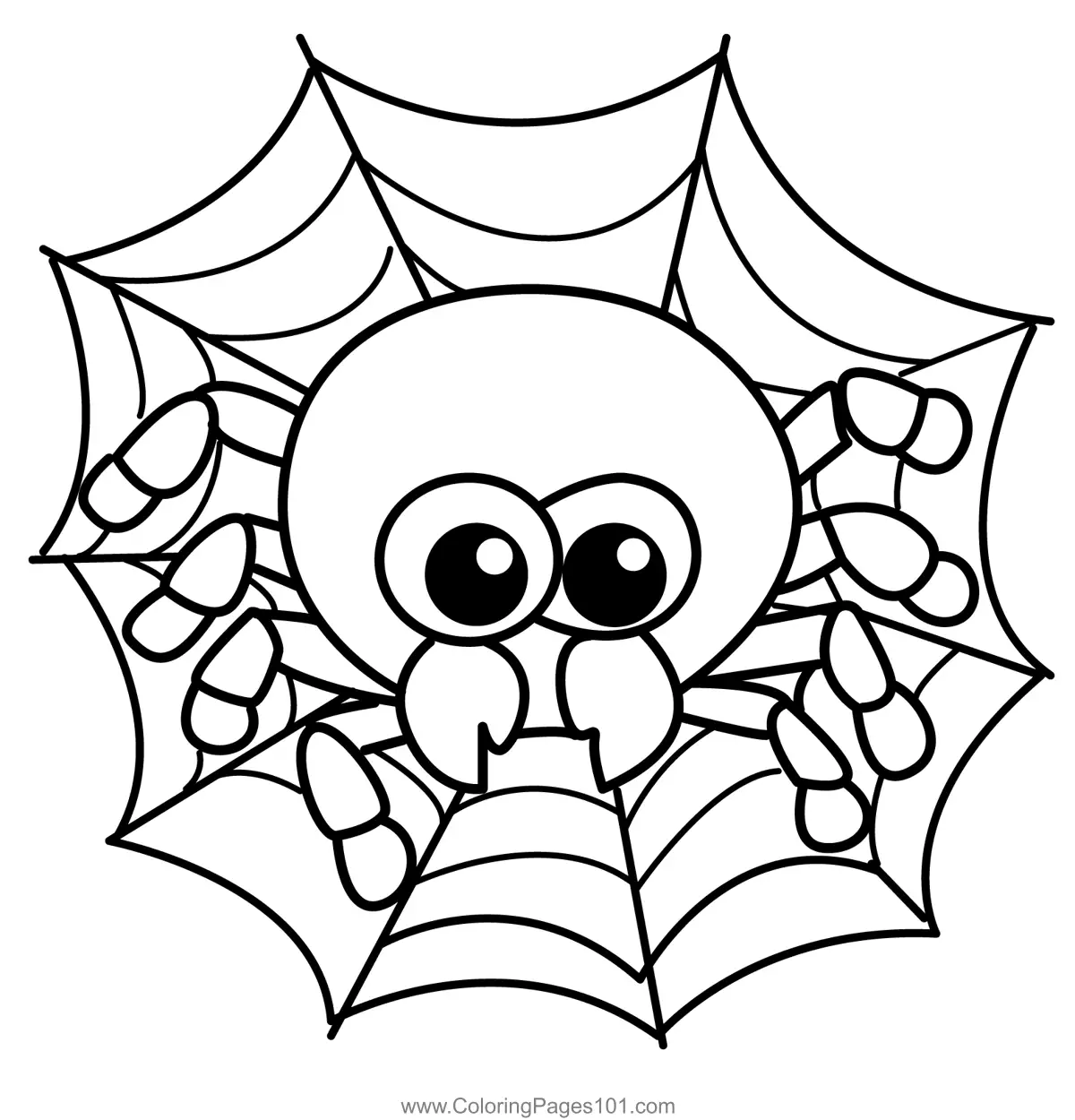
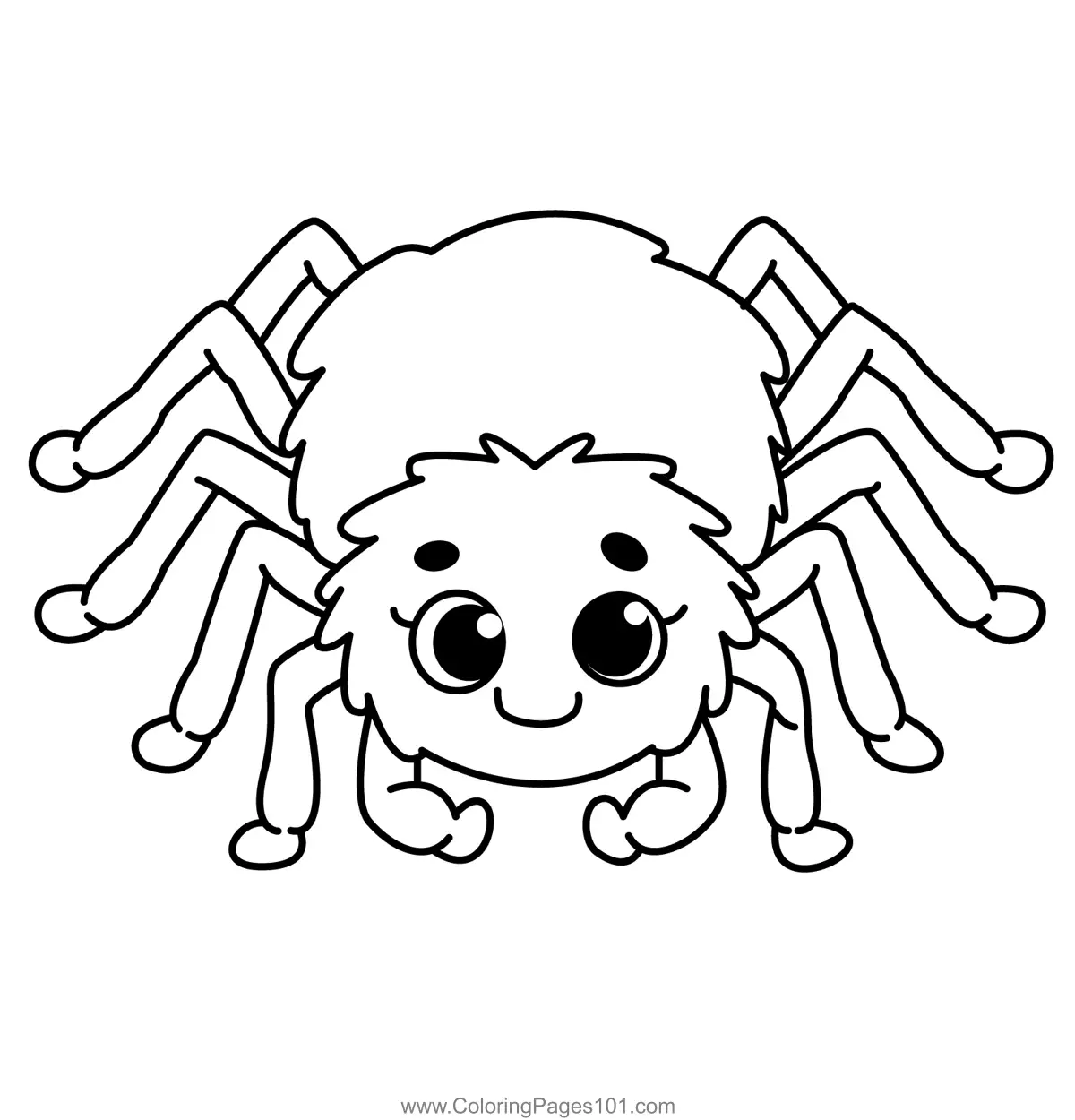
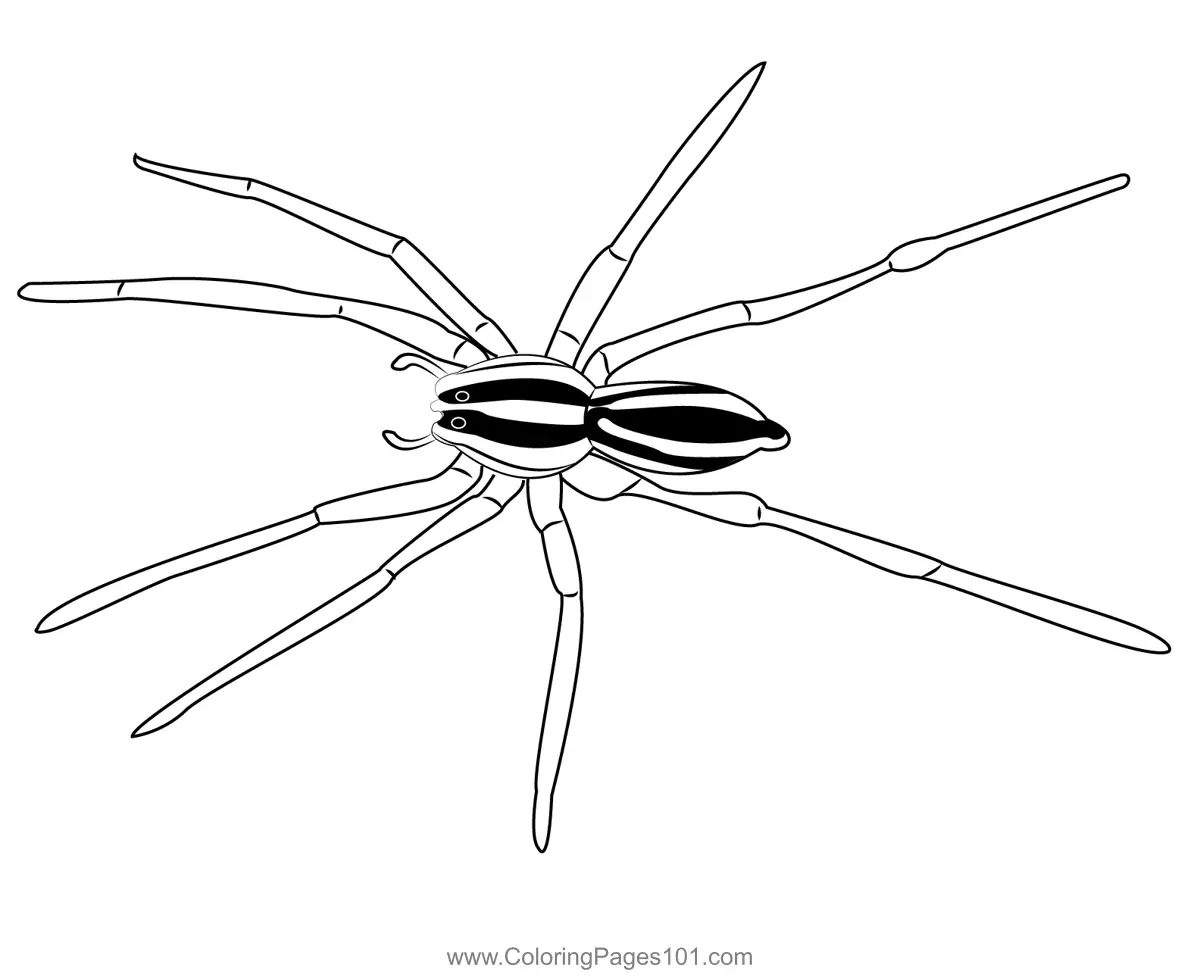
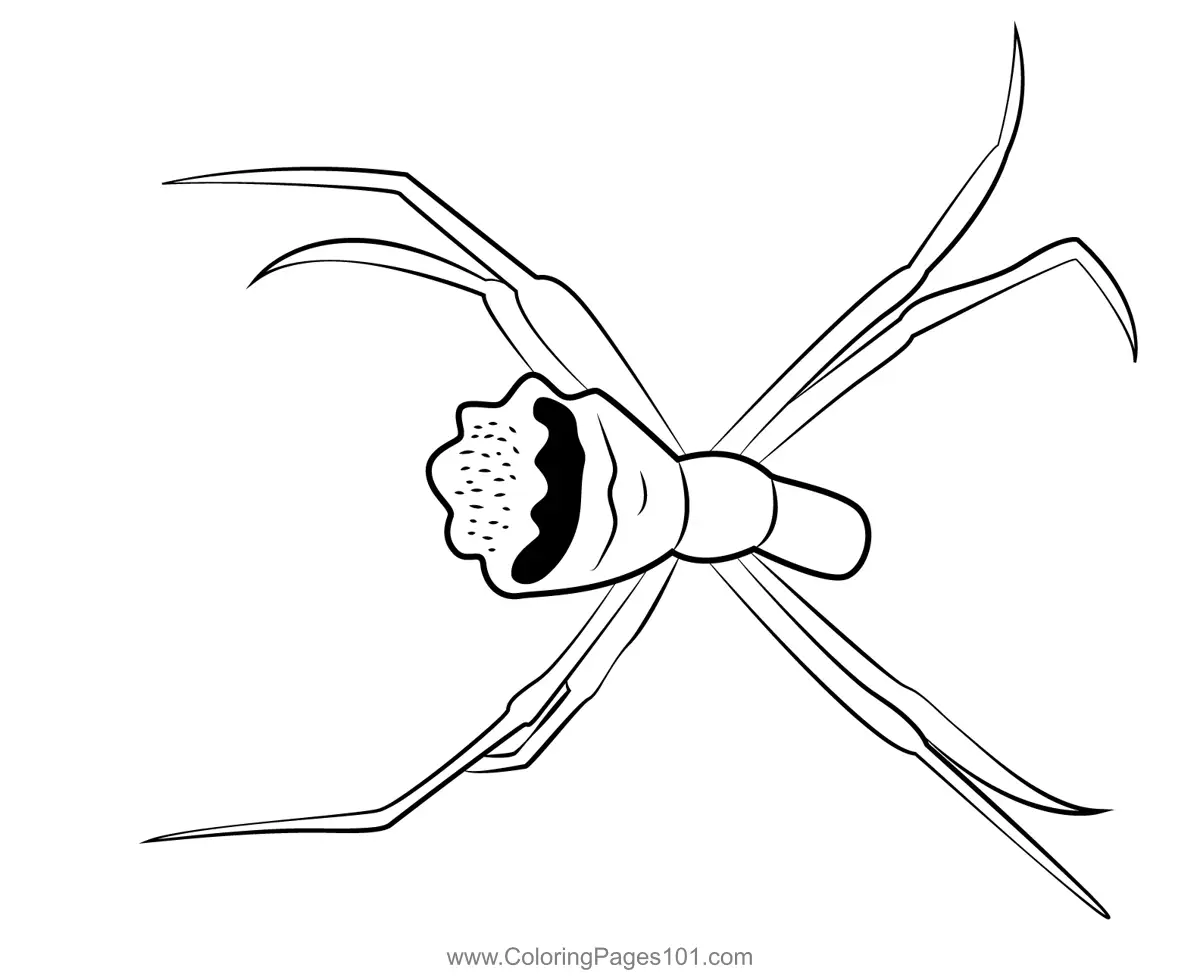
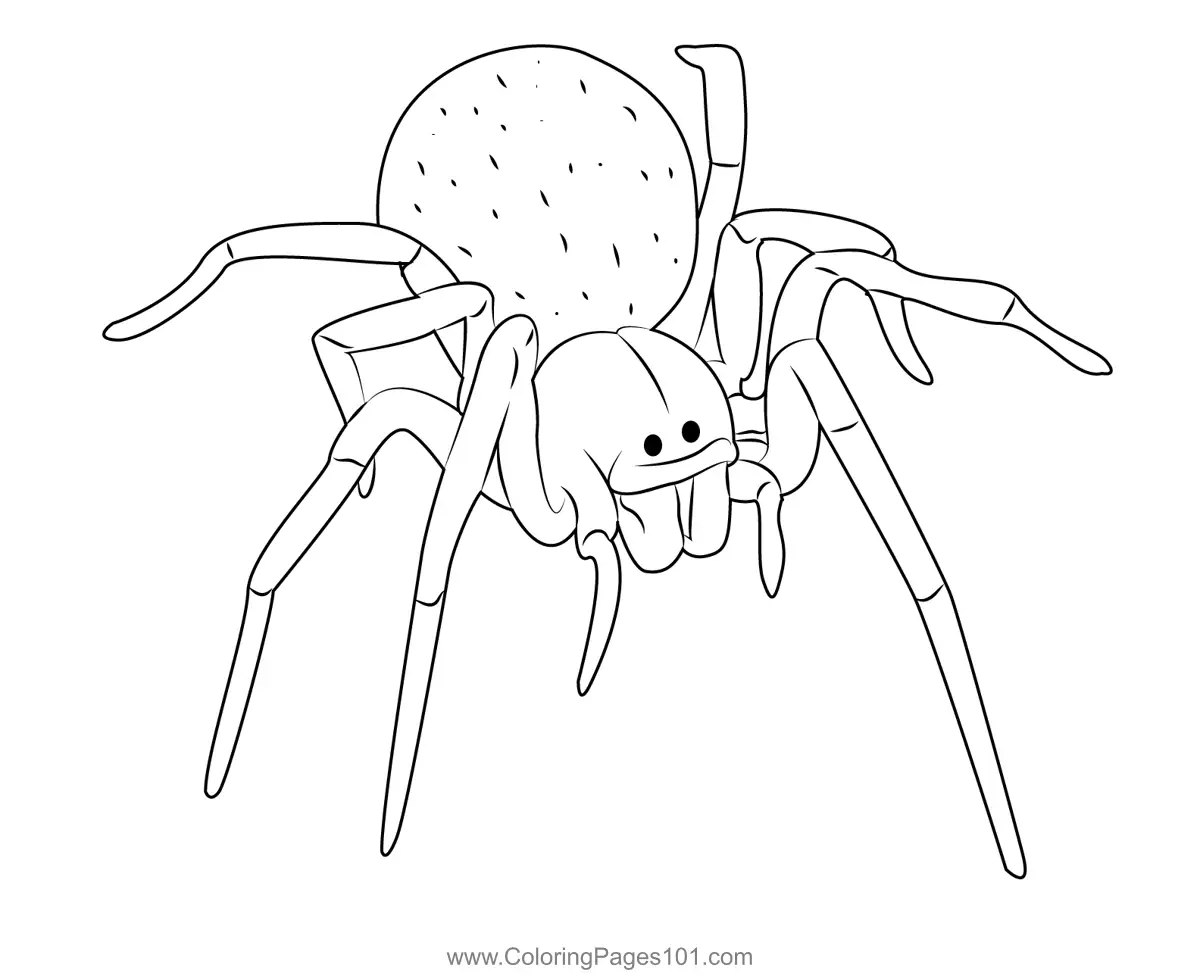
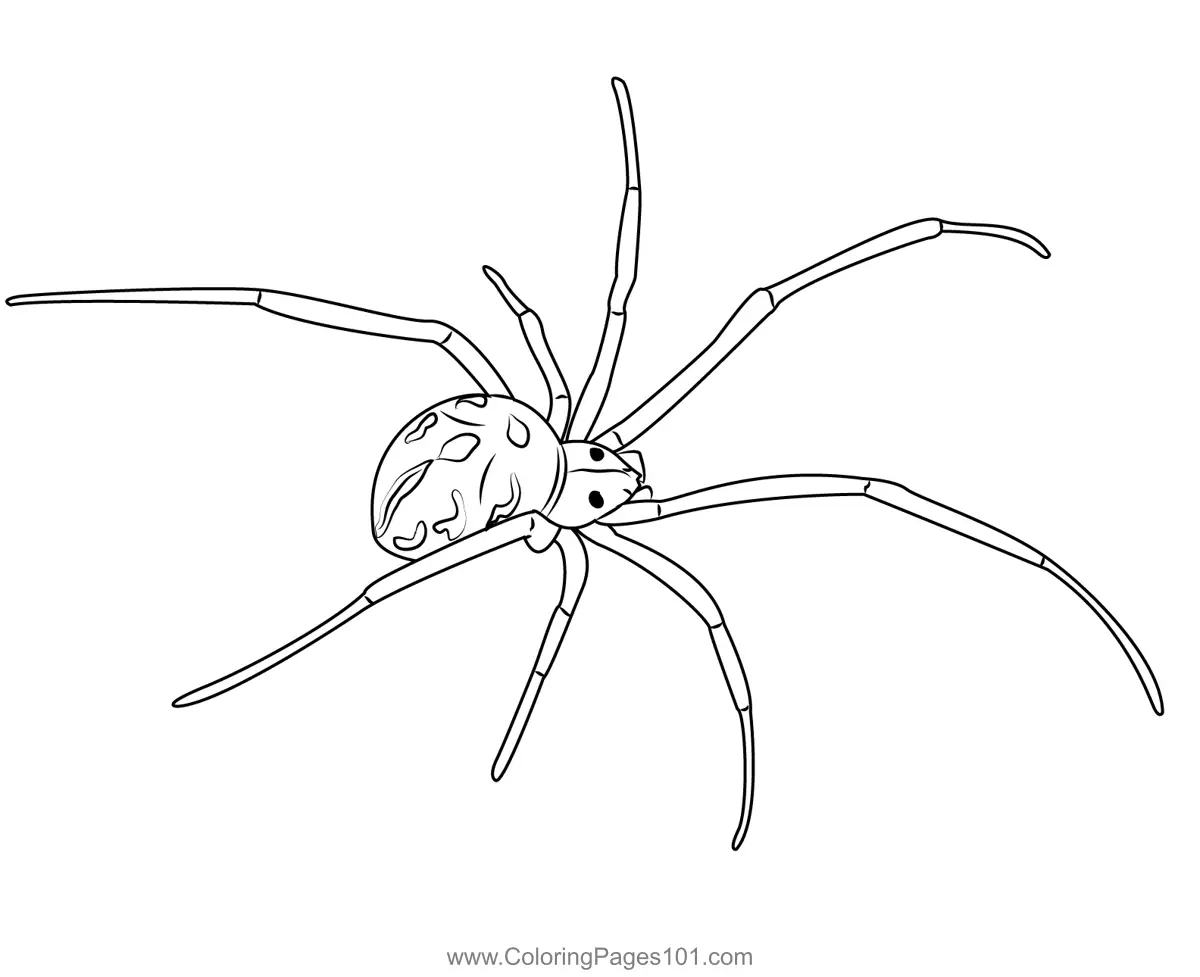
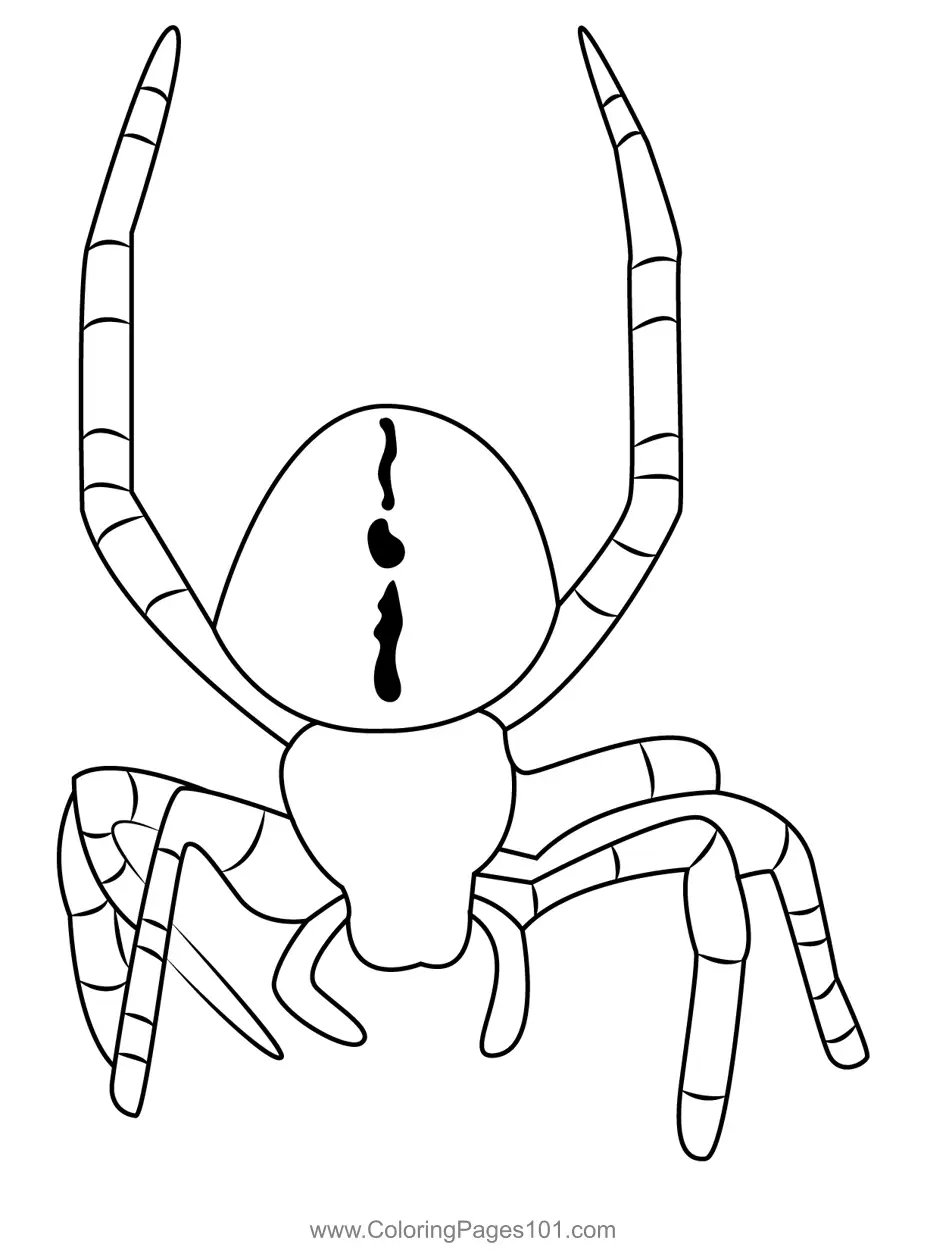
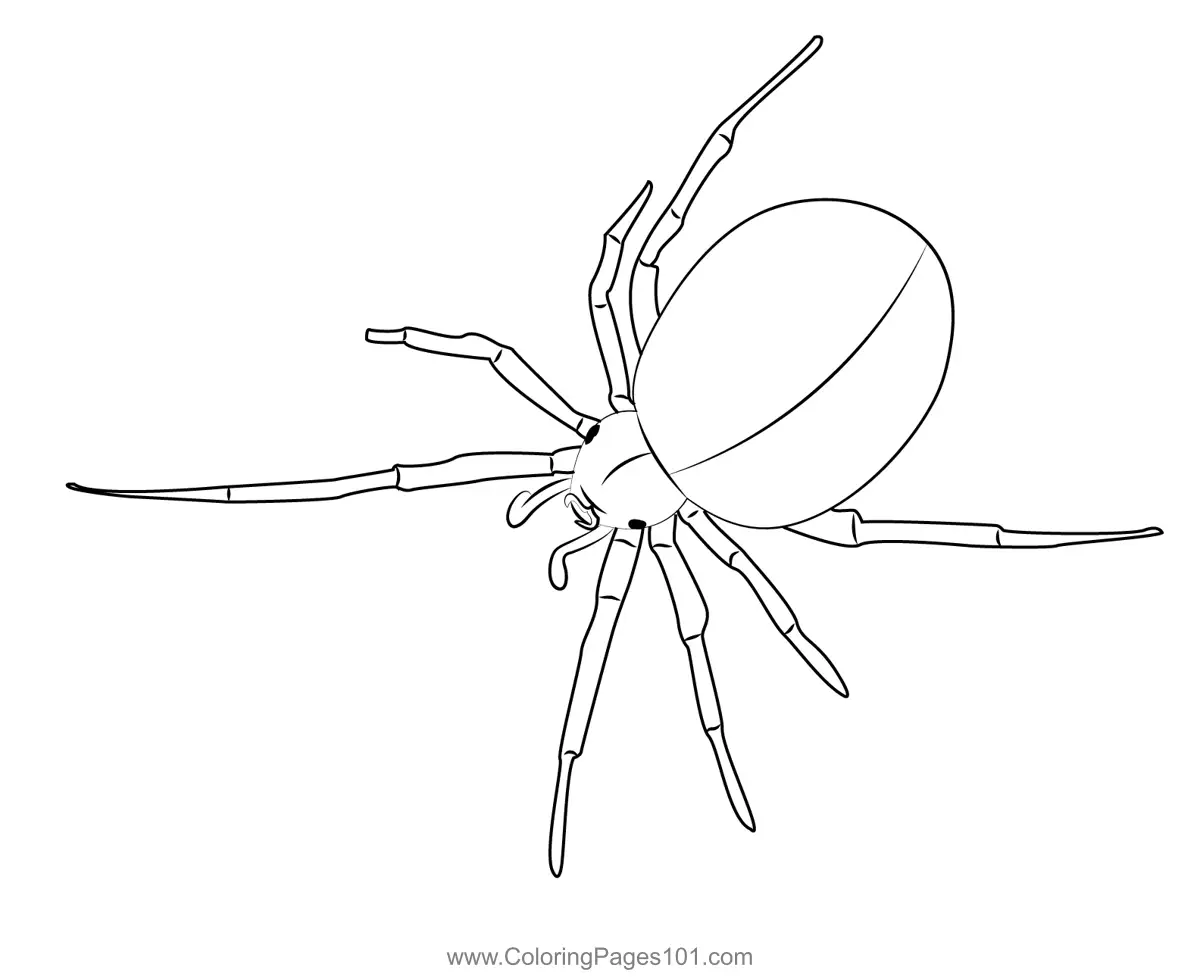
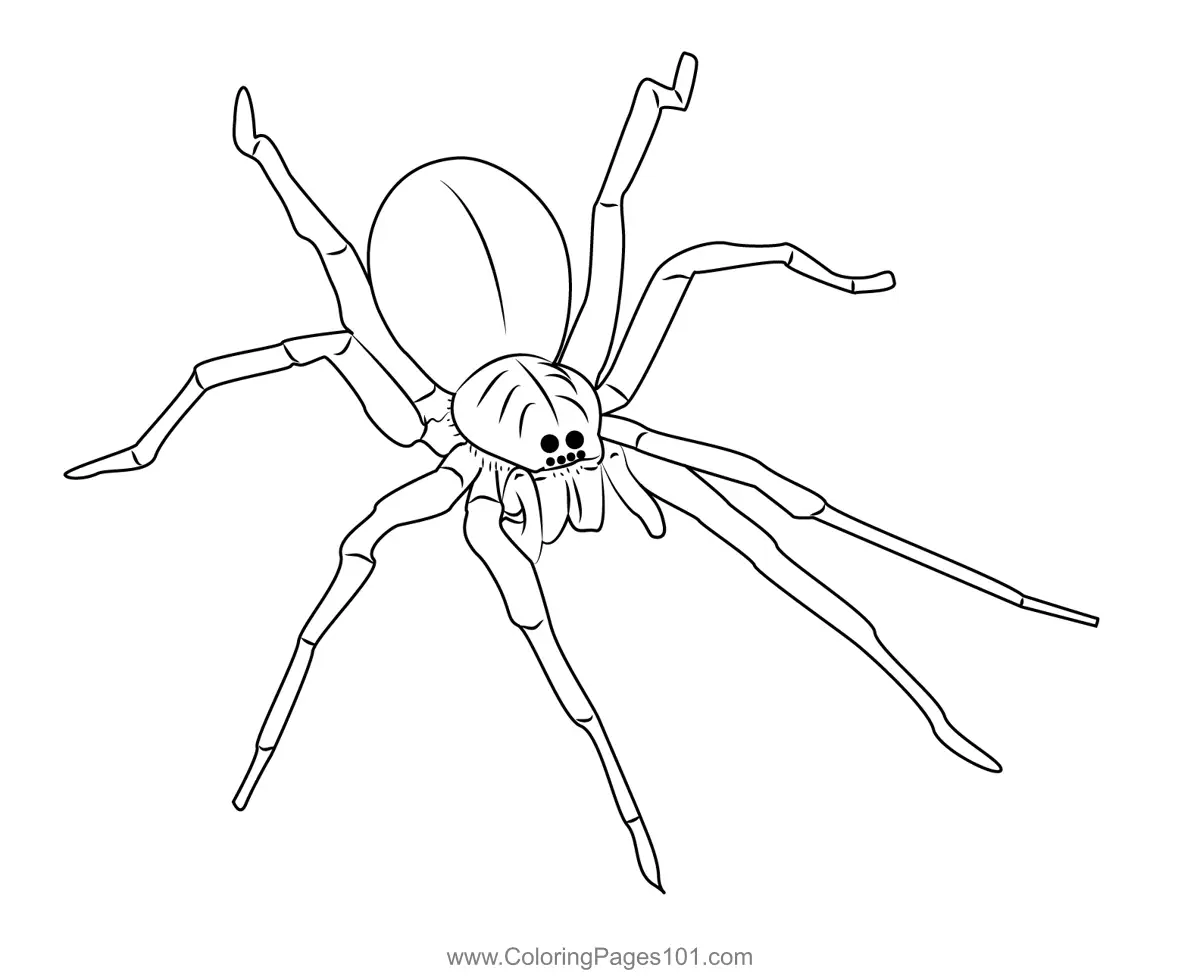
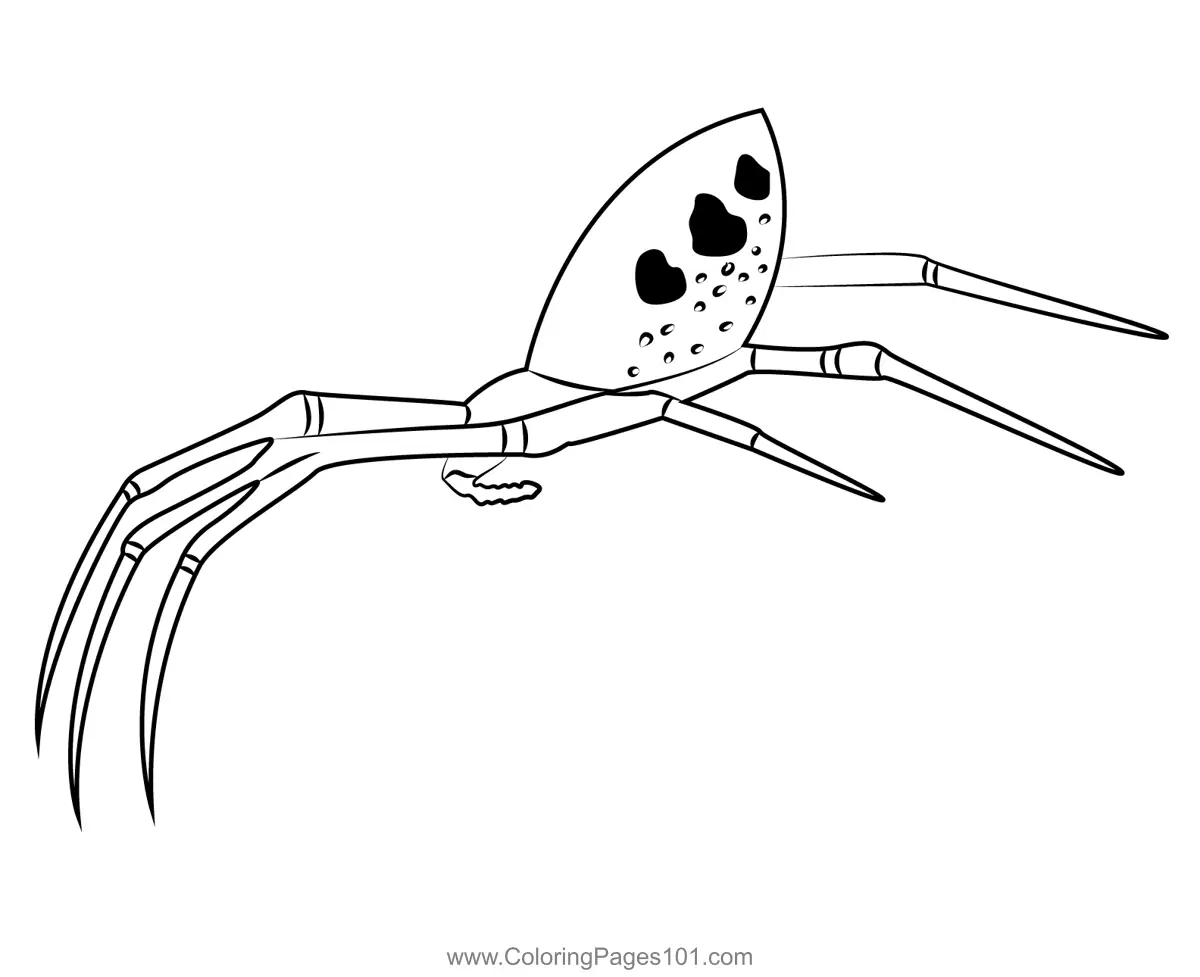
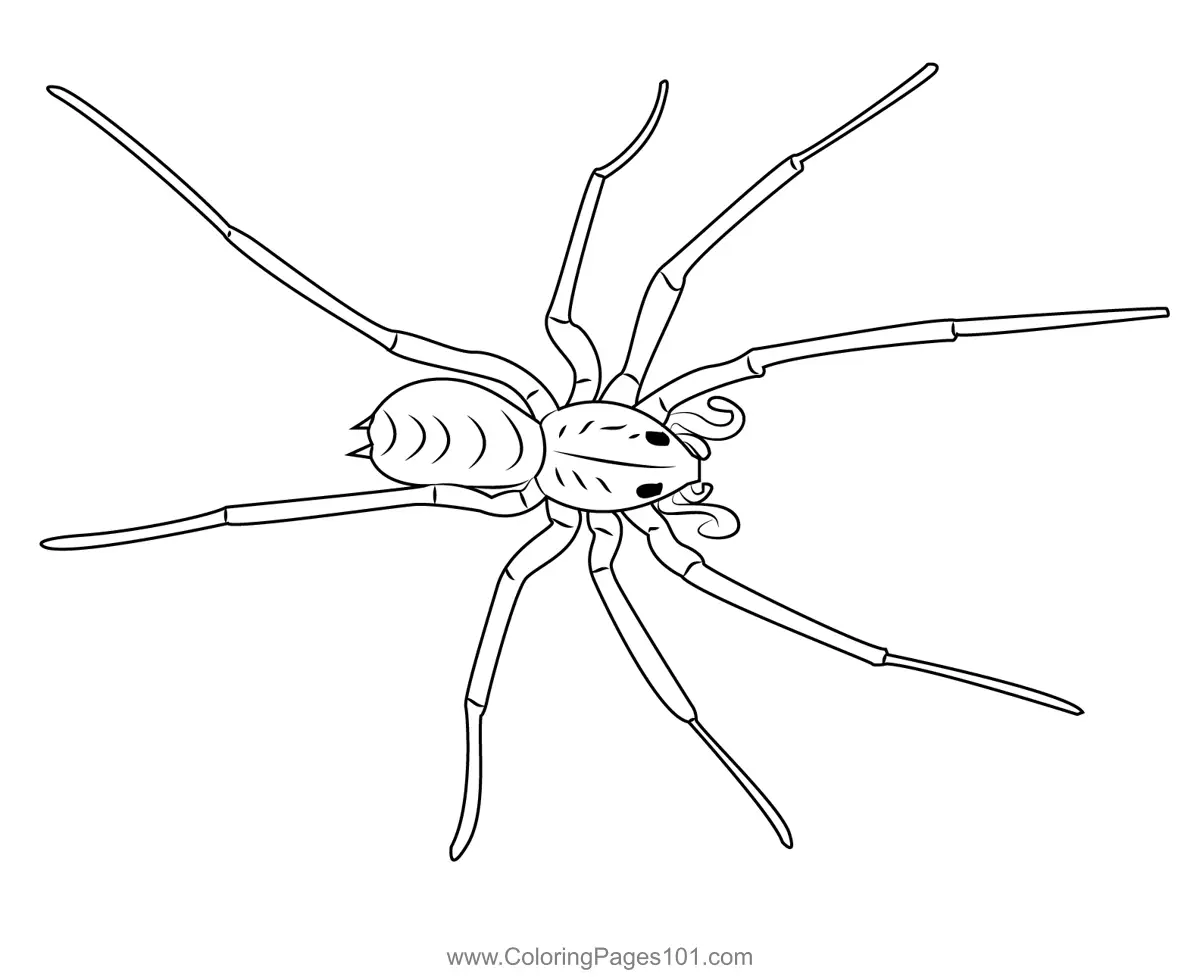
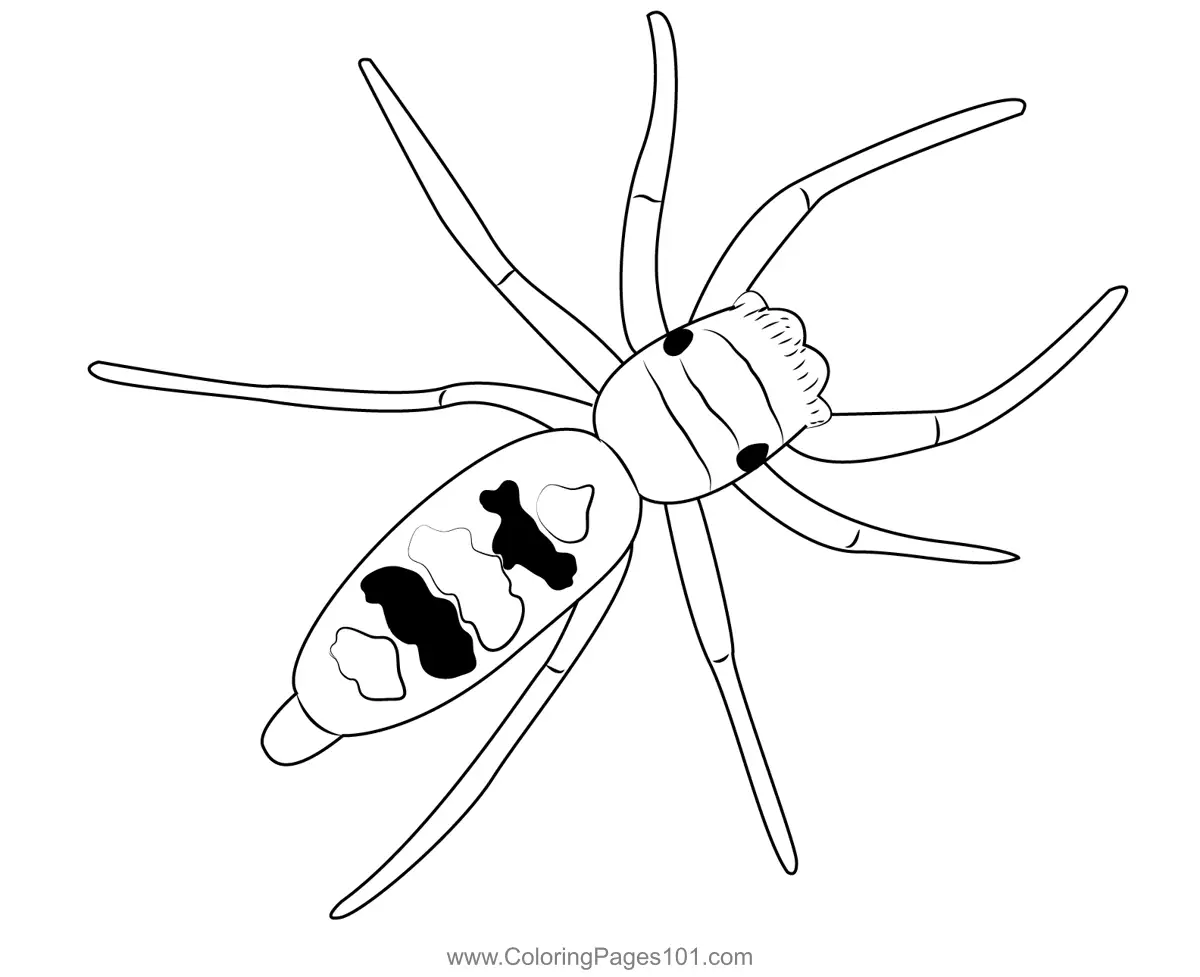
Spiders Coloring Pages
Children and adults alike find themselves captivated by the mysterious world of arachnids, making spiders coloring pages an increasingly popular choice for creative expression. At Magic Fingers Art, we understand that these eight-legged creatures spark curiosity and imagination in ways few other subjects can match. Our extensive collection offers something special for everyone, from young artists taking their first steps into the world of art to experienced colorists seeking intricate designs that challenge their skills. The beauty of working with spider-themed artwork lies in the incredible variety of species, patterns, and settings available, allowing each person to explore different artistic techniques while learning about these fascinating creatures that play such vital roles in our ecosystem.
Our platform provides an exceptional range of free coloring pages featuring spiders in countless scenarios and styles. Whether you're drawn to realistic depictions of tarantulas with their fuzzy bodies and detailed leg segments, or you prefer whimsical cartoon spiders with friendly faces and exaggerated features, Magic Fingers Art delivers quality designs that cater to every preference. The versatility of spider imagery means you can find everything from simple outlines perfect for toddlers developing fine motor skills to complex illustrations filled with intricate web patterns and environmental details that will keep advanced colorists engaged for hours. Each design has been carefully crafted to ensure that when you to print these pages, the lines remain crisp and clear, making the coloring experience enjoyable regardless of your chosen medium.
About spiders coloring pages
The world of spiders coloring pages encompasses far more than simple line drawings of arachnids. These artistic templates serve as educational tools that help children overcome common fears while developing an appreciation for nature's incredible diversity. When youngsters engage with spider-themed coloring pictures, they begin to see these creatures not as scary monsters but as interesting animals worthy of study and respect. The act of carefully filling in each segment of a spider's body, choosing colors for its markings, and deciding how to shade its web creates a connection that transforms abstract fear into concrete understanding. Parents and educators have long recognized that art therapy can address childhood anxieties, and spider coloring activities provide a gentle, non-threatening way to introduce children to creatures they might otherwise avoid.
Beyond their therapeutic benefits, these printable resources offer tremendous artistic value. Spider anatomy presents unique challenges that help colorists develop their technical skills. The segmented legs require attention to proportion and symmetry, while the cephalothorax and abdomen offer opportunities to practice shading and texture techniques. Many of our designs incorporate elaborate webs, which provide excellent practice for maintaining steady hand control and understanding geometric patterns. Advanced artists often use spider illustrations to experiment with color theory, creating pieces that range from scientifically accurate representations to fantastical interpretations featuring bold, unexpected palettes. The coloring book format allows for progressive skill development, as users can start with simpler designs before advancing to more complex compositions that include environmental elements like dew-covered webs at sunrise or spiders hunting among autumn leaves.
How to Get Started
Beginning your journey with spiders coloring pages from Magic Fingers Art couldn't be simpler or more accessible. Our user-friendly website allows you to browse through categories organized by difficulty level, spider species, and artistic style, ensuring you quickly find exactly what you're looking for. Once you've selected your preferred design, downloading takes just seconds, and the high-resolution files we provide guarantee excellent print quality whether you're using a basic home printer or professional printing equipment. The pictures to color are formatted to fit standard paper sizes, eliminating the frustration of awkward cropping or scaling issues that plague many online resources. We've optimized every file to balance detail with printability, so you won't encounter problems with lines that are too thin to see or designs that consume excessive ink.
Gathering your materials enhances the overall experience significantly. While basic crayons work perfectly well for younger children, experimenting with different mediums opens up new creative possibilities. Colored pencils allow for precise detail work and layering techniques that bring dimensional quality to spider illustrations. Markers provide vibrant, saturated colors ideal for bold artistic statements, though using thicker paper prevents bleed-through. Watercolors create atmospheric effects particularly stunning when applied to web designs, as the transparent washes can suggest morning dew or twilight shadows. Many artists enjoy combining multiple mediums within a single piece, perhaps using colored pencils for the spider itself while applying watercolor to the background. The coloring sheets available through Magic Fingers Art are designed to accommodate various artistic approaches, with paper weight recommendations provided for each design to help you achieve optimal results with your chosen materials.
Spiders coloring pages - Creative Coloring Ideas
Transforming standard spiders coloring pages into extraordinary artwork requires imagination and willingness to experiment beyond conventional approaches. Instead of defaulting to browns and blacks typically associated with common house spiders, consider the incredible diversity found in nature. Peacock spiders from Australia display iridescent blues, vibrant reds, and striking patterns that rival any butterfly. Jumping spiders often feature metallic greens and bronze tones that shimmer in sunlight. By researching actual spider species, you can create scientifically accurate pieces that educate while they beautify. Alternatively, embrace pure fantasy by giving your arachnid subjects rainbow hues, galaxy patterns, or color schemes inspired by your favorite sports teams or seasonal themes. Halloween-themed spiders might feature orange and purple, while winter designs could incorporate icy blues and silver accents.
Background elements dramatically enhance the storytelling potential of your free coloring pages. Rather than leaving the space around your spider blank, consider adding contextual details that create narrative depth. A garden spider might be surrounded by flowers and butterflies, suggesting a peaceful summer afternoon. A wolf spider could be positioned among fallen leaves and acorns, evoking autumn's arrival. For younger artists, adding simple patterns like polka dots, stripes, or stars to the background provides additional coloring practice without overwhelming the main subject. More advanced colorists might challenge themselves by creating entire scenes, perhaps showing a spider in its natural habitat with appropriate vegetation, other insects, and environmental features. These additions transform simple pictures to color into complete artistic compositions that tell stories and demonstrate understanding of ecological relationships.
Texture techniques elevate spider illustrations from flat images to dynamic artworks with visual interest and depth. The fuzzy appearance of tarantula hair can be suggested through short, directional pencil strokes or stippling with fine-tipped markers. Smooth-bodied spiders benefit from careful blending that creates gradual color transitions and suggests three-dimensional form. Web designs offer particular opportunities for creative texture work—consider leaving some strands white while coloring others, creating the illusion of light reflecting off silk threads. Experimenting with pressure variation when using colored pencils produces different intensities within the same color family, adding sophistication to your work. Magic Fingers Art provides printable designs with varying line weights specifically to support these advanced techniques, giving experienced artists the foundation they need to create gallery-worthy pieces while still offering enough guidance for beginners to feel confident in their efforts.
Bringing spider art into everyday life
Completed spiders coloring pages deserve display and appreciation rather than being relegated to drawers or recycling bins. Creating a dedicated art gallery wall in your home celebrates the effort invested in each piece while encouraging continued creative development. Rotating displays keep the space fresh and allow you to showcase seasonal works or pieces that reflect developing skills over time. For children, seeing their artwork prominently displayed builds confidence and reinforces the value of their creative efforts. Consider using matching frames for a cohesive look, or embrace eclectic presentation styles that reflect individual personality. Some families create themed collections, grouping spider artwork with other insect and arachnid pieces for a nature-focused display that sparks conversations about biodiversity and environmental stewardship.
The coloring book pages you complete can serve practical purposes beyond decoration. Handmade greeting cards featuring spider designs make memorable gifts for fellow nature enthusiasts or anyone who appreciates unique, personalized correspondence. Scanning finished artwork allows you to create digital files suitable for printing on various products—imagine your spider design adorning a custom mug, tote bag, or phone case. Teachers often incorporate student-colored spider pages into classroom decorations during units on arachnids or Halloween celebrations, creating learning environments that showcase student achievement. Bookmarks represent another practical application, particularly appropriate given the connection between spiders and the written word through classics like "Charlotte's Web." These functional uses extend the life and impact of your creative work while demonstrating that art serves purposes beyond pure aesthetics.
Magic Fingers Art encourages community building through shared creative experiences centered on our coloring sheets. Organizing coloring parties brings people together for relaxing social time that accommodates all skill levels and ages. Unlike many group activities that require specific abilities or create competitive pressure, coloring sessions allow everyone to participate at their own pace while enjoying companionship. Providing a variety of spider designs ensures that each participant finds something matching their interests and abilities. These gatherings offer opportunities to share techniques, discover new color combinations, and learn from observing how others approach the same basic template differently. Some groups establish regular meetings, creating traditions around seasonal themes or monthly challenges. The social aspect of coloring has gained recognition for its stress-reducing benefits, and spider-themed sessions around Halloween or during autumn months tap into cultural moments that make the activity feel especially relevant and timely.
Educational benefits hiding in plain sight
While spiders coloring pages primarily provide entertainment, they simultaneously deliver substantial educational value that extends across multiple learning domains. Biology lessons emerge naturally as children notice the eight legs that distinguish spiders from insects, the two main body segments, and the presence of multiple eyes in various arrangements depending on species. Curious young minds often ask questions prompted by their coloring activities: Why do spiders make webs? What do they eat? Where do different species live? These inquiries create teachable moments that parents and educators can expand into broader discussions about food chains, habitat requirements, and adaptation. The visual learning reinforced through coloring helps information retention far more effectively than passive reading or listening, as the act of carefully observing details while coloring creates multiple neural pathways associated with the information.
Mathematical concepts appear throughout spider-themed free coloring pages, though children engage with them so naturally they rarely recognize the learning occurring. Counting legs, eyes, and web segments introduces or reinforces number recognition and basic arithmetic. Symmetry becomes apparent when coloring spider bodies, as most species display bilateral symmetry that children can observe and replicate through their color choices. Pattern recognition develops through web designs, which often feature repeating geometric structures. Older students might explore the mathematical principles underlying web construction, including radial symmetry and spiral patterns that follow specific mathematical rules. These organic encounters with mathematical thinking build positive associations with concepts that some children find intimidating in traditional academic contexts, demonstrating that math exists everywhere in the natural world rather than only in textbooks and classrooms.
Fine motor skill development represents one of the most significant benefits younger children gain from working with pictures to color. The precise hand movements required to stay within lines, the grip strength needed to control coloring tools, and the hand-eye coordination necessary to place colors exactly where intended all contribute to the physical development essential for writing readiness. Occupational therapists frequently recommend coloring activities for children developing these crucial skills, and spider designs offer particular advantages. The varied elements—from broad body sections suitable for sweeping strokes to delicate leg segments requiring careful attention—provide graduated challenges within a single image. As children progress from simple spider outlines to more complex designs featuring webs and environmental details, they naturally advance their capabilities without the frustration that can accompany exercises explicitly framed as skill-building drills.
Discovering spider diversity through art
The remarkable variety within our spiders coloring pages collection reflects the incredible diversity found among actual arachnid species worldwide. Introducing colorists to different spider types expands their understanding of biodiversity while keeping the activity fresh and engaging. Jumping spiders, with their large forward-facing eyes and compact bodies, make adorable subjects that appeal particularly to younger artists. Their curious, almost mammalian appearance helps overcome the fear response many people have toward arachnids. Orb weavers, famous for their spectacular circular webs, provide opportunities to practice geometric patterns and appreciate the engineering marvels these creatures create. Tarantulas, despite their intimidating reputation, display fascinating features including specialized hairs and impressive size variations that translate beautifully into detailed coloring pictures suitable for advanced colorists seeking substantial projects.
Regional spider species offer opportunities to connect coloring activities with local nature studies and outdoor exploration. After completing a printable page featuring a common garden spider, children might feel motivated to observe these creatures in their own backyards, transforming abstract images into concrete experiences. This progression from art to observation to deeper understanding exemplifies experiential learning at its finest. Teachers can coordinate coloring activities with field trips or outdoor classroom sessions, using the artwork as preparation that familiarizes students with what they'll encounter. Conversely, outdoor experiences can inspire specific coloring choices, as children remember the exact colors they observed on a particular spider and attempt to recreate them accurately. This cyclical relationship between art and nature study reinforces learning through multiple modalities while fostering environmental awareness and appreciation for local ecosystems.
Exotic species from distant locations spark imagination and cultural curiosity when featured in coloring sheets. The aforementioned peacock spiders from Australia, with their elaborate courtship displays and brilliant colors, introduce children to unique wildlife from the Southern Hemisphere. Brazilian wandering spiders, despite being among the world's most venomous, display striking patterns worth studying from the safe distance that coloring provides. Bird-eating spiders from rainforest environments demonstrate the size extremes found within the arachnid world. Including information cards alongside these exotic spider designs transforms coloring time into geography and cultural lessons, as children learn where these species live, what climates they prefer, and how they fit into their native ecosystems. This global perspective cultivated through something as simple as coloring pages helps develop the international awareness increasingly important in our connected world.
Why Magic Fingers Art stands apart
Selecting spiders coloring pages from Magic Fingers Art means choosing quality, variety, and user experience that generic coloring resources simply cannot match. Our design team includes both professional artists and educators who understand what makes coloring pages genuinely engaging across different age groups and skill levels. Every illustration undergoes careful review to ensure appropriate difficulty, clear lines, and interesting composition. We reject the cookie-cutter approach common among mass-produced coloring book