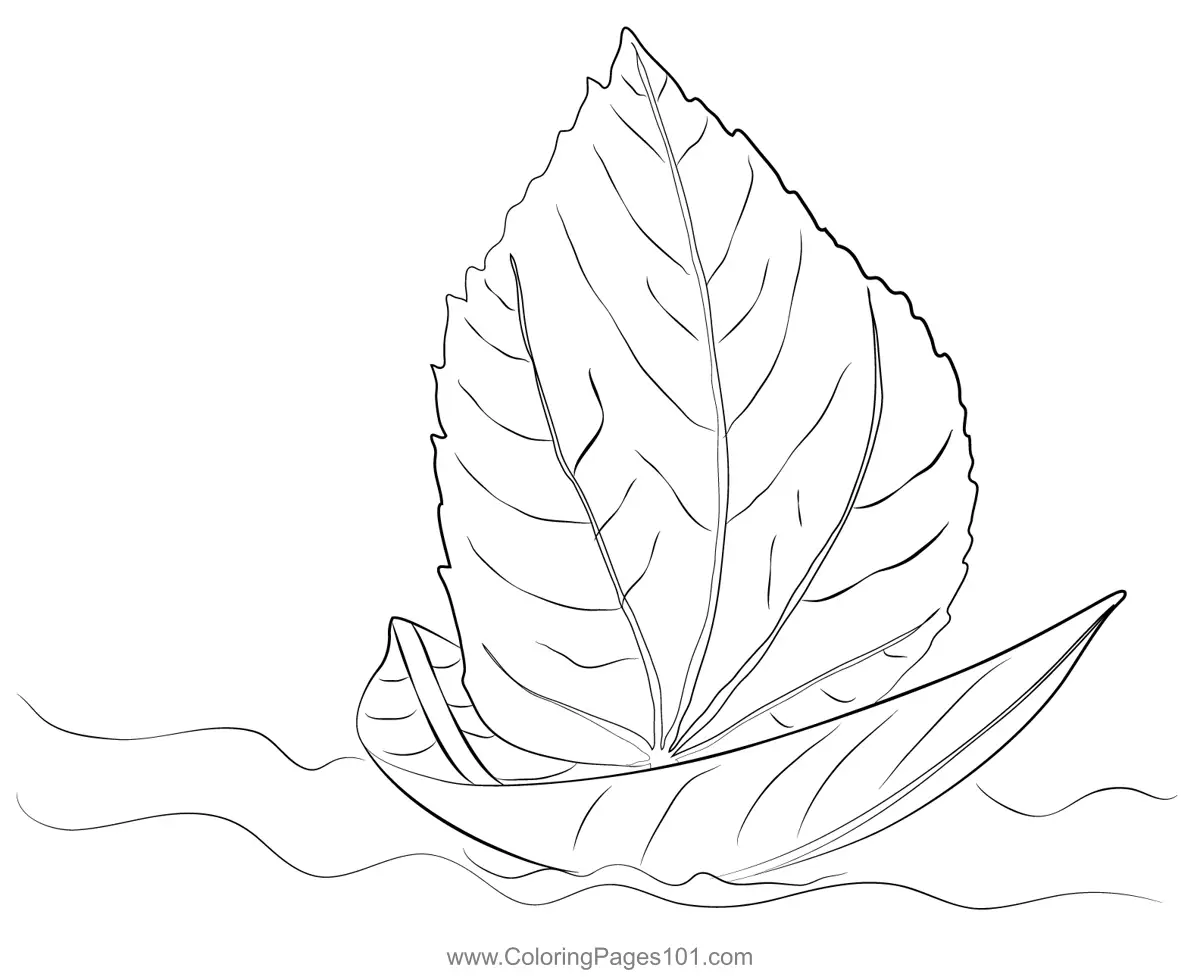
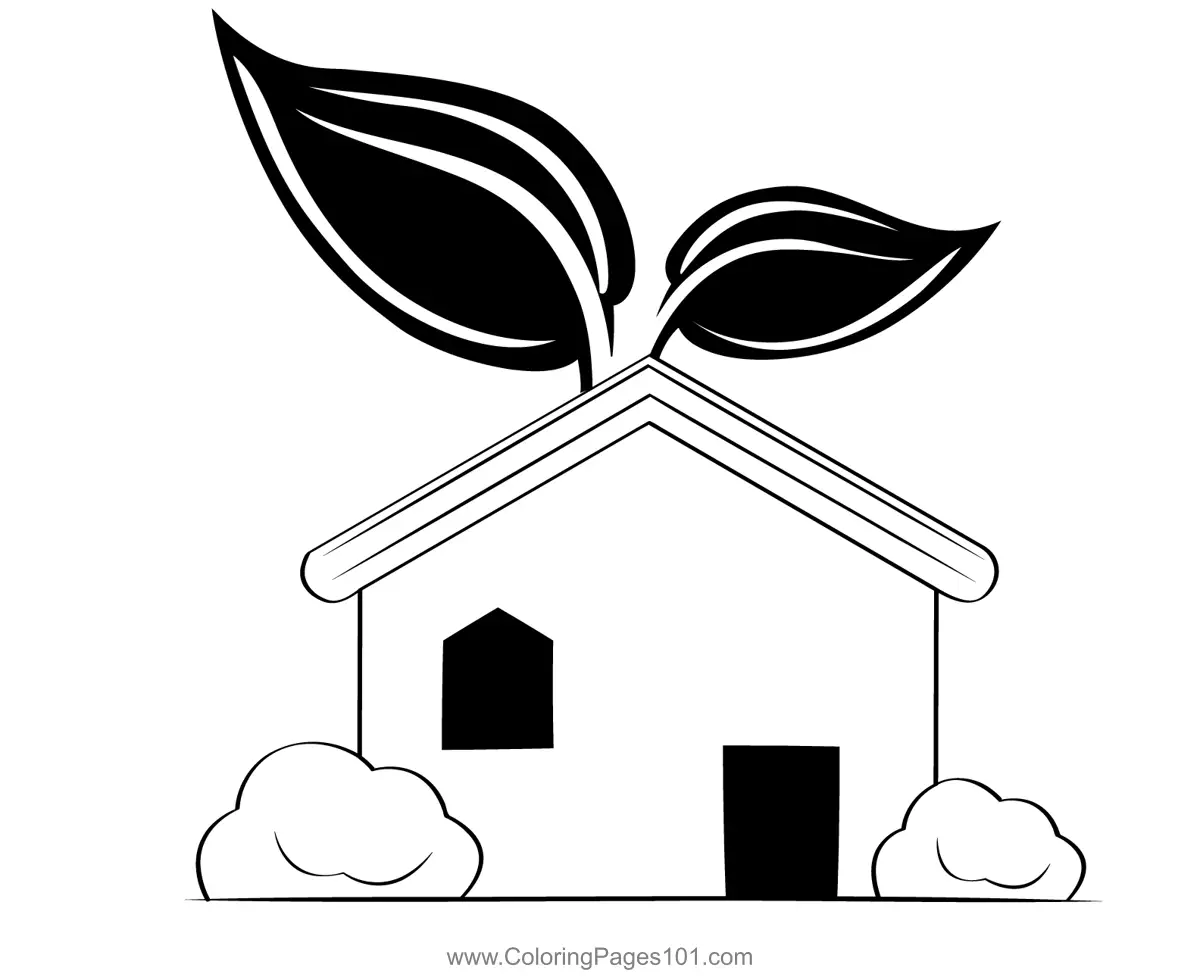
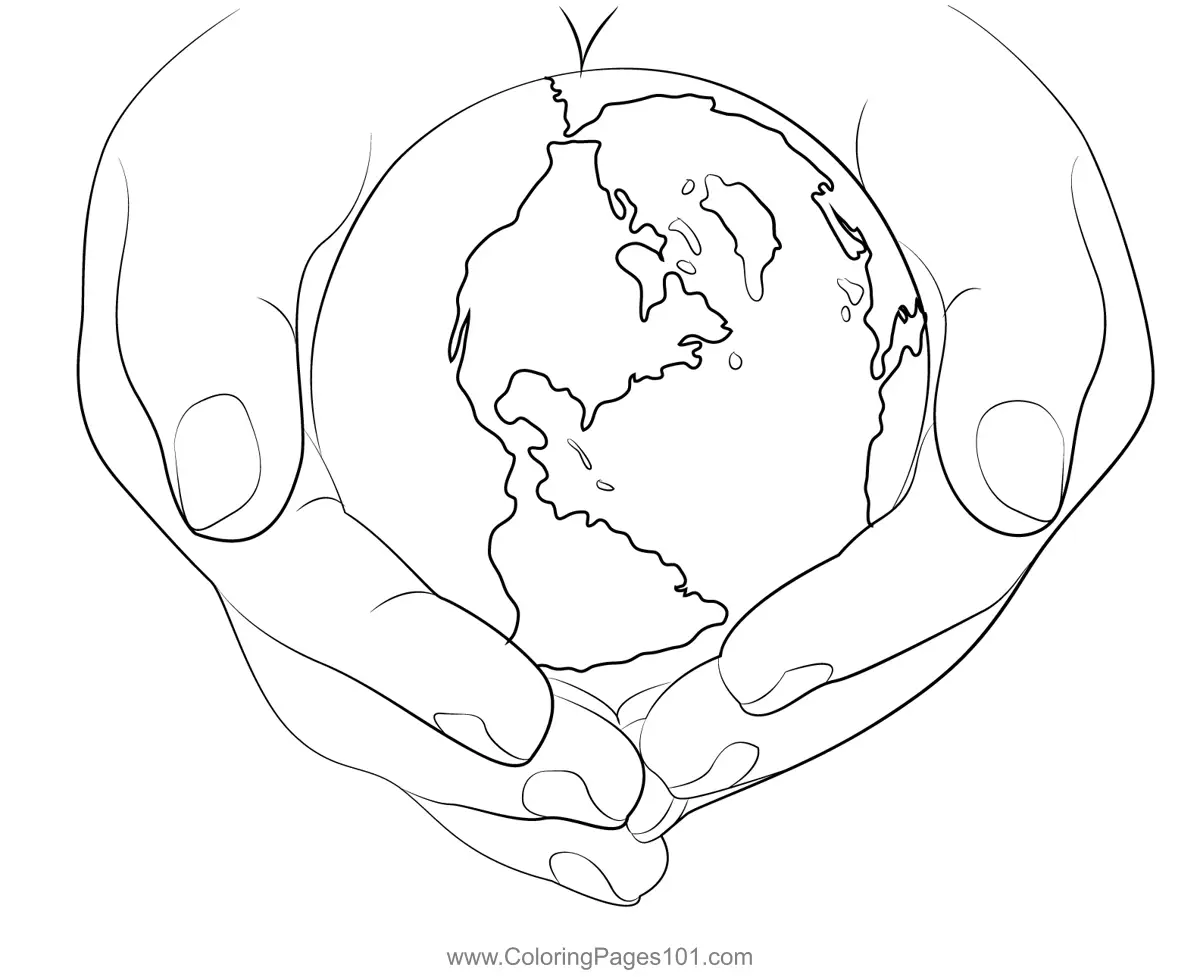
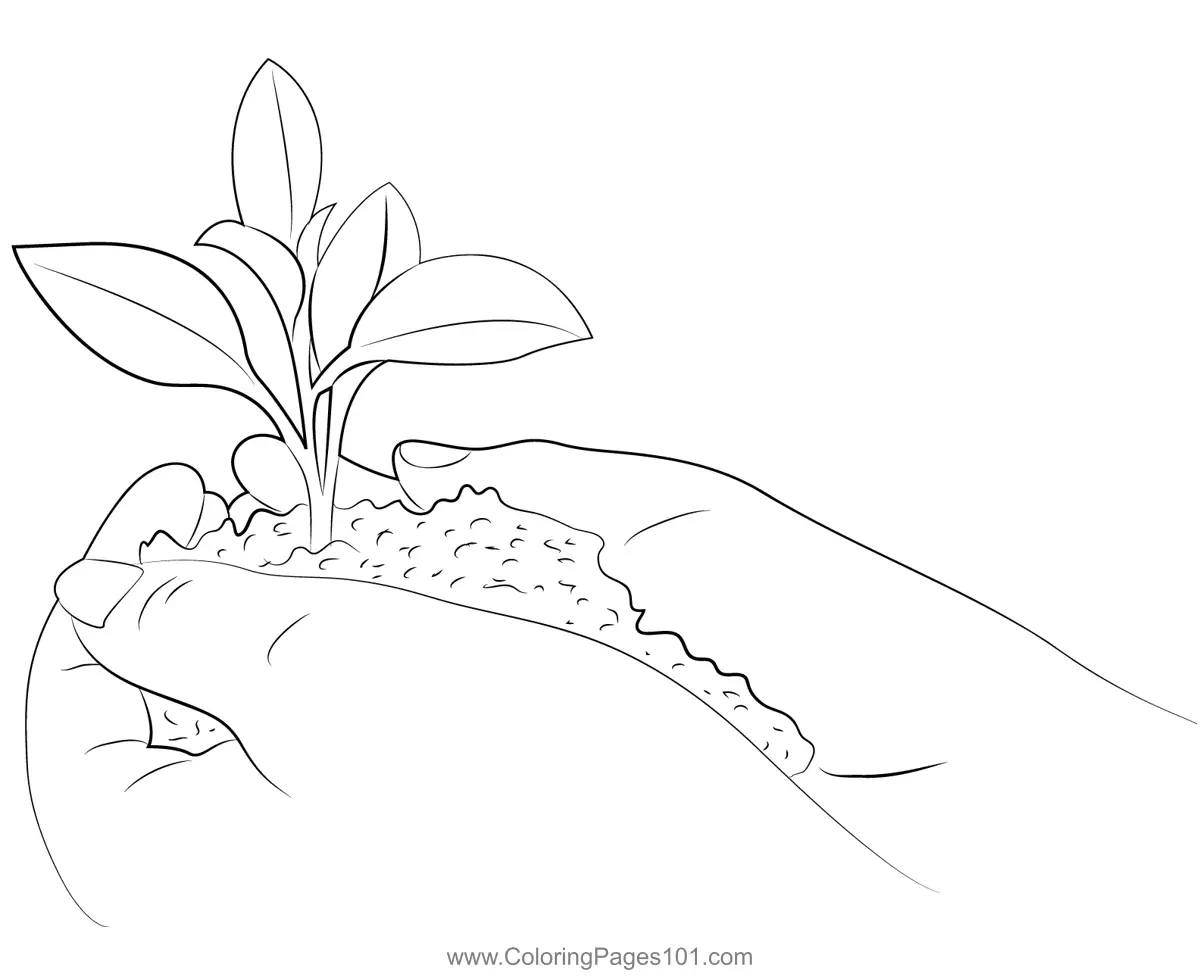
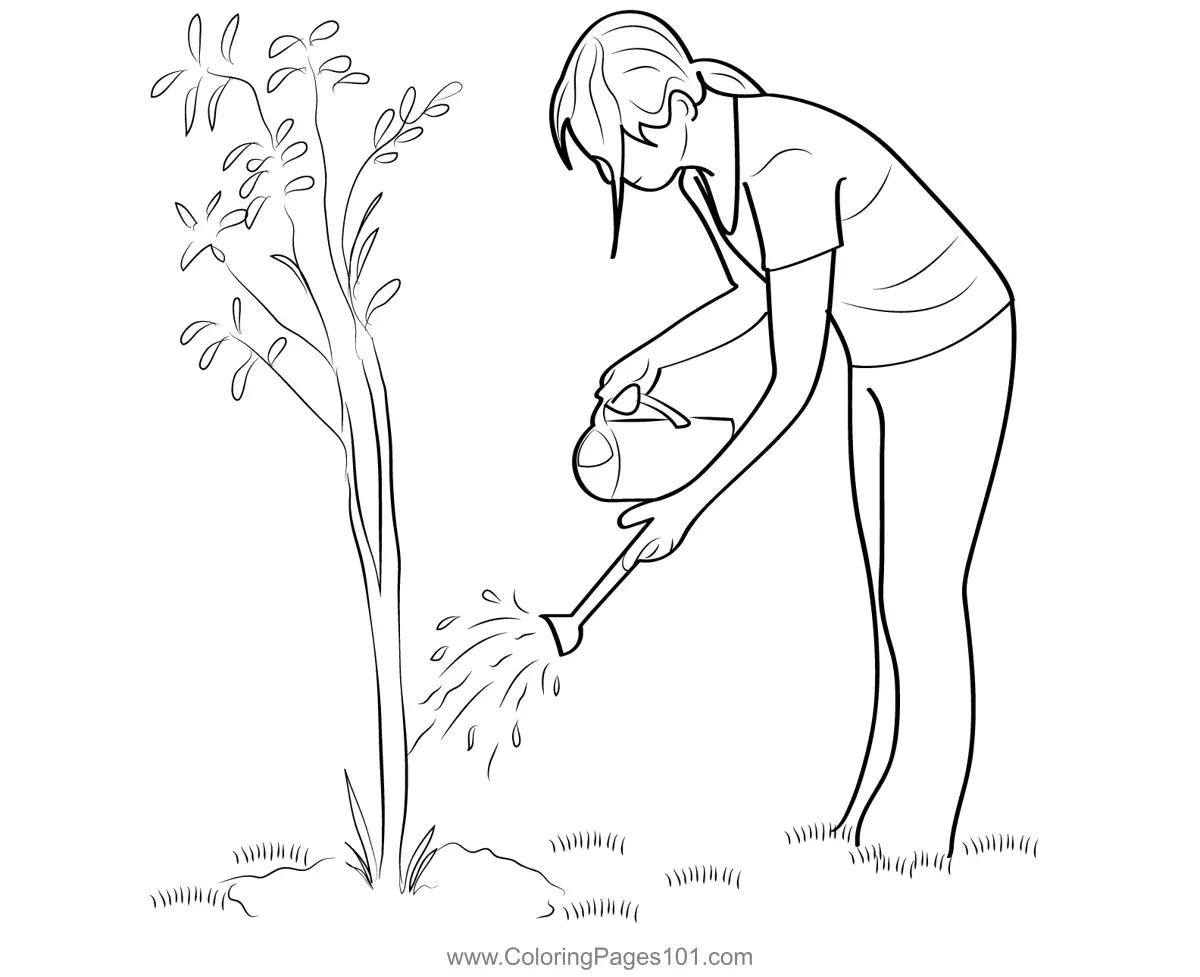
World Environment Day Coloring Pages
Celebrating our planet through artistic expression has never been more accessible or meaningful than with World Environment Day coloring pages. These specially designed illustrations provide children and adults alike with an engaging opportunity to connect with environmental themes while developing their creative skills. At Magic Fingers Art, we understand that coloring transcends simple entertainment—it becomes a powerful educational tool that instills environmental awareness in young minds and offers therapeutic relaxation for older enthusiasts. Our collection features intricate designs showcasing nature's beauty, from lush forests teeming with wildlife to ocean scenes highlighting marine conservation, all available as free coloring pages that you can access instantly.
The significance of combining environmental education with artistic activities cannot be overstated in today's world. When children engage with coloring pictures that depict Earth's ecosystems, endangered species, and sustainability concepts, they develop a deeper appreciation for nature's delicate balance. Each illustration serves as a conversation starter, allowing parents and educators to discuss critical topics like recycling, renewable energy, and habitat preservation while youngsters fill their pictures to color with vibrant hues. This multisensory learning approach creates lasting impressions that purely verbal instruction rarely achieves, making environmental stewardship feel personal and achievable rather than abstract and overwhelming.
About World Environment Day coloring pages
World Environment Day coloring pages represent a unique intersection of celebration, education, and creativity. Observed annually on June 5th, World Environment Day stands as the United Nations' principal vehicle for encouraging worldwide awareness and action for environmental protection. Our carefully curated collection at Magic Fingers Art transforms this global initiative into tangible, hands-on activities that families can enjoy together. Each printable design reflects themes relevant to current environmental challenges, featuring imagery that ranges from simple illustrations perfect for preschoolers to complex patterns that challenge adult colorists. The diversity within our coloring book selection ensures that everyone finds designs matching their skill level and interests, whether they're drawn to botanical illustrations, wildlife portraits, or scenes depicting sustainable living practices.
These educational resources serve multiple purposes beyond mere entertainment. Research consistently demonstrates that coloring activities enhance fine motor skills, improve concentration, and reduce anxiety levels across all age groups. When combined with environmental messaging, these benefits expand to include increased ecological literacy and a stronger sense of planetary citizenship. Our coloring sheets incorporate recognizable symbols like the recycling emblem, renewable energy sources such as wind turbines and solar panels, and beloved endangered animals that capture hearts and inspire conservation efforts. By making these resources available to print without cost, Magic Fingers Art removes barriers to environmental education, ensuring that families regardless of economic circumstances can participate in meaningful Earth Day activities throughout the year, not just during designated celebrations.
How to Get Started with our printable collection
Accessing our extensive library of World Environment Day coloring pages couldn't be simpler or more convenient. Magic Fingers Art has streamlined the entire process so you can move from browsing to coloring within minutes. Simply navigate through our organized categories, where you'll discover designs sorted by complexity level, theme, and age appropriateness. Once you've identified the perfect coloring pictures for your needs, a single click initiates the download process, delivering high-resolution files directly to your device. These digital files maintain exceptional quality whether you choose to print them on standard home printers or take them to professional printing services for larger formats. We've optimized every image to ensure crisp lines and clear details that make coloring enjoyable rather than frustrating, with borders thick enough for younger children still developing hand-eye coordination yet detailed enough to satisfy experienced artists seeking intricate challenges.
Preparation enhances the coloring experience significantly. Before printing your selected free coloring pages, consider the materials you'll use for the actual coloring process. Colored pencils offer precision and control, making them ideal for detailed work and subtle shading techniques. Markers provide bold, saturated colors that younger children often prefer, though they may bleed through thinner papers. Crayons remain a classic choice, particularly for toddlers and preschoolers who benefit from their durability and ease of use. For the paper itself, standard printer stock works adequately for most projects, but upgrading to cardstock creates a sturdier surface that withstands more vigorous coloring and prevents marker bleed-through. Some families enjoy creating dedicated environment-themed coloring book compilations by printing multiple pages and binding them together with staples, rings, or professional binding services, transforming individual printable sheets into treasured keepsakes that document artistic progress over time.
World Environment Day coloring pages - Creative coloring ideas
Maximizing the educational and creative potential of World Environment Day coloring pages involves thinking beyond simple color application. Consider implementing thematic color schemes that reinforce environmental messages—using predominantly green and blue palettes to emphasize Earth's natural beauty, or incorporating browns and grays when depicting pollution or deforestation to create visual contrast that sparks discussion. Challenge older children to research the actual colors of featured animals or plants before selecting their hues, transforming the activity into a scientific investigation that builds knowledge alongside artistic skills. You might organize family coloring sessions where each member completes the same design using different color interpretations, then compare the results to explore how artistic choices affect mood and meaning. These collaborative experiences strengthen family bonds while reinforcing that environmental protection requires diverse perspectives working toward common goals.
Our coloring sheets also serve as excellent foundations for mixed-media projects that extend beyond traditional coloring. After completing a design with your chosen coloring tools, consider adding collage elements using recycled materials like magazine cutouts, fabric scraps, or natural items such as pressed leaves and flower petals. This approach not only creates textured, dimensional artwork but also demonstrates practical recycling and upcycling concepts. Some families photograph their completed pictures to color and compile them into digital slideshows or physical albums that chronicle their environmental awareness journey throughout the year. Teachers frequently incorporate our printable resources into classroom bulletin boards, creating collaborative murals where each student contributes individually colored elements to a larger environmental message. The versatility of these designs means they adapt beautifully to various educational settings, from homeschool curricula to summer camp activities, scout troop projects, and community center programs focused on sustainability education.
Bringing environmental awareness to life through art
The true power of World Environment Day coloring pages from Magic Fingers Art lies in their ability to transform abstract environmental concepts into concrete, memorable experiences. When a child carefully colors an illustration of a sea turtle swimming through ocean currents, they're more likely to remember discussions about plastic pollution and its impact on marine life. Similarly, adults who spend time thoughtfully shading an intricate forest scene often report feeling more connected to conservation efforts and more motivated to adopt sustainable practices in their daily routines. This emotional engagement distinguishes coloring activities from passive learning methods, creating neural pathways that associate environmental stewardship with positive feelings rather than guilt or overwhelm. Our carefully designed free coloring pages facilitate these connections by presenting environmental themes through approachable, beautiful imagery that invites exploration rather than lecturing or preaching.
Seasonal variations in our collection ensure year-round relevance and engagement. While World Environment Day occurs in early June, environmental awareness deserves attention throughout all twelve months. Magic Fingers Art regularly updates our coloring book offerings to reflect seasonal environmental themes—spring designs might emphasize pollination and new growth, summer pages could highlight water conservation during peak usage periods, autumn illustrations might focus on harvest sustainability and composting, while winter designs explore energy conservation and wildlife survival strategies. This rotating selection keeps the content fresh and maintains interest among regular users who appreciate discovering new coloring pictures that align with current seasons and relevant environmental topics. By integrating these activities into regular family routines rather than limiting them to special occasions, environmental consciousness becomes woven into the fabric of daily life rather than remaining an occasional consideration.
Maximize learning opportunities with every page
Each World Environment Day coloring page available through Magic Fingers Art represents an opportunity for meaningful conversation and education. Parents and educators can enhance the experience by asking open-ended questions while children work on their pictures to color: "What do you think this animal needs to survive?" or "How might we help protect places like this forest?" These dialogues transform solitary coloring time into interactive learning sessions that develop critical thinking skills alongside artistic abilities. For younger children, simple observations about colors found in nature or counting elements within the illustration build foundational skills. Older students might research the depicted species or ecosystems, then present their findings to family members or classmates, using their completed artwork as visual aids during presentations. This layered approach to learning accommodates different developmental stages while maintaining engagement across age groups.
Documentation of coloring progress serves motivational and educational purposes. Encourage children to date their completed coloring sheets and store them chronologically, creating a visual record of improving skills and evolving environmental understanding. Reviewing older work after several months reveals dramatic improvements in fine motor control, color theory application, and attention to detail—tangible evidence of growth that builds confidence and encourages continued practice. Some families create "before and after" comparisons by printing duplicate copies of favorite designs, coloring one immediately and setting the second aside for completion months later. The visible skill development between versions provides powerful motivation and demonstrates that consistent practice yields measurable results. These archives also become treasured family keepsakes, capturing specific moments in childhood development while documenting a family's commitment to environmental awareness through the years.
Building sustainable habits through creative expression
The printable nature of our World Environment Day coloring pages aligns perfectly with sustainable practices when approached thoughtfully. Magic Fingers Art encourages users to print only what they'll actually use, avoiding wasteful overprinting. Consider printing on both sides of paper when creating personal coloring book compilations, or use the reverse side of misprinted documents or outdated paperwork for draft versions before committing to fresh sheets for final copies. These small choices model the resourcefulness and waste reduction that environmental stewardship requires. Additionally, completed coloring pages need not end up in landfills—they can be repurposed as wrapping paper for gifts, transformed into greeting cards, or displayed as temporary wall art that rotates seasonally. Teaching children that their artistic creations hold value beyond the initial coloring experience instills appreciation for materials and discourages disposable mindsets that contribute to environmental degradation.
Community sharing amplifies the impact of individual coloring activities. Organize neighborhood coloring events where families gather to work on free coloring pages while discussing local environmental initiatives and sustainability goals. Libraries, community centers, and places of worship often welcome proposals for environmental awareness programs, and providing accessible, cost-free activities like coloring removes participation barriers. Displaying completed artwork in public spaces raises environmental consciousness among broader audiences who might not actively seek such information. Social media platforms offer additional sharing opportunities—families can photograph their completed coloring pictures and share them with hashtags related to environmental protection, potentially inspiring others to engage with similar activities. This digital sharing creates virtual communities of environmentally conscious families who exchange ideas, encouragement, and creative interpretations, demonstrating that individual actions contribute to collective movements when amplified through modern communication channels.
Enhance your collection with complementary activities
World Environment Day coloring pages from Magic Fingers Art serve as excellent anchors for comprehensive environmental education units. Pair coloring sessions with related activities that reinforce key concepts through multiple learning modalities. After completing a page featuring pollinators, venture outdoors to observe real bees, butterflies, and hummingbirds in action, then return to add observed details to the colored illustration. Following work on ocean-themed coloring sheets, conduct simple experiments demonstrating water pollution and filtration, making abstract concepts tangible through hands-on science. Read age-appropriate books about featured animals or ecosystems before or after coloring sessions, building contextual knowledge that deepens engagement with the artwork. This integrated approach transforms isolated coloring activities into components of rich, multifaceted learning experiences that address various learning styles and create stronger memory formation through repeated exposure to concepts via different methods.
Seasonal outdoor activities complement indoor coloring perfectly. Spring nature walks to identify emerging plants can be documented through photographs that children later reference while coloring botanical pictures to color, ensuring accurate representation of local flora. Summer gardening projects provide firsthand experience with plant growth cycles depicted in agricultural-themed designs. Autumn leaf collection and pressing creates natural materials for mixed-media additions to forest scenes. Winter bird feeding stations offer observation opportunities that inform color choices when working on avian illustrations. These connections between virtual representations and actual experiences ground environmental awareness in personal observation rather than abstract concepts, making conservation feel relevant and achievable. Children who've watched caterpillars transform into butterflies in classroom habitats approach butterfly coloring pages with deeper understanding and appreciation, recognizing these aren't merely decorative designs but representations of real creatures facing genuine environmental challenges.
Supporting diverse learning needs and abilities
The versatility of World Environment Day coloring pages makes them valuable tools for supporting learners with diverse needs and abilities. Magic Fingers Art's collection includes designs ranging from simple, bold outlines suitable for children with developing motor skills or visual processing challenges to intricate patterns that engage advanced artists seeking detailed work. This spectrum ensures that every individual finds appropriately challenging printable options regardless of age, ability, or experience level. For children with attention difficulties, the focused, repetitive nature of coloring provides calming sensory input that can improve concentration during subsequent academic tasks. Those on the autism spectrum often find coloring's predictable, controllable nature soothing, while the environmental themes provide structured topics for developing conversational skills and expanding special interests into broader ecological understanding.
Adaptive approaches maximize accessibility for all users. Children with limited hand strength or coordination benefit from using triangular crayons or pencil grips that reduce fatigue and improve control. Enlarging designs during the printing process creates bigger spaces for those who struggle with fine detail work, while reducing size increases challenge for advanced colorists. Digital coloring applications allow individuals with physical limitations to complete designs using adaptive technology, ensuring that mobility challenges don't prevent participation in these valuable activities. Educators and parents can modify our free coloring pages by simplifying complex designs through digital editing tools, removing small details that might frustrate rather than engage certain learners. This flexibility demonstrates that environmental education and artistic expression should be accessible to everyone, regardless of physical or cognitive differences, and that inclusive design benefits entire communities by welcoming diverse perspectives and participation styles.