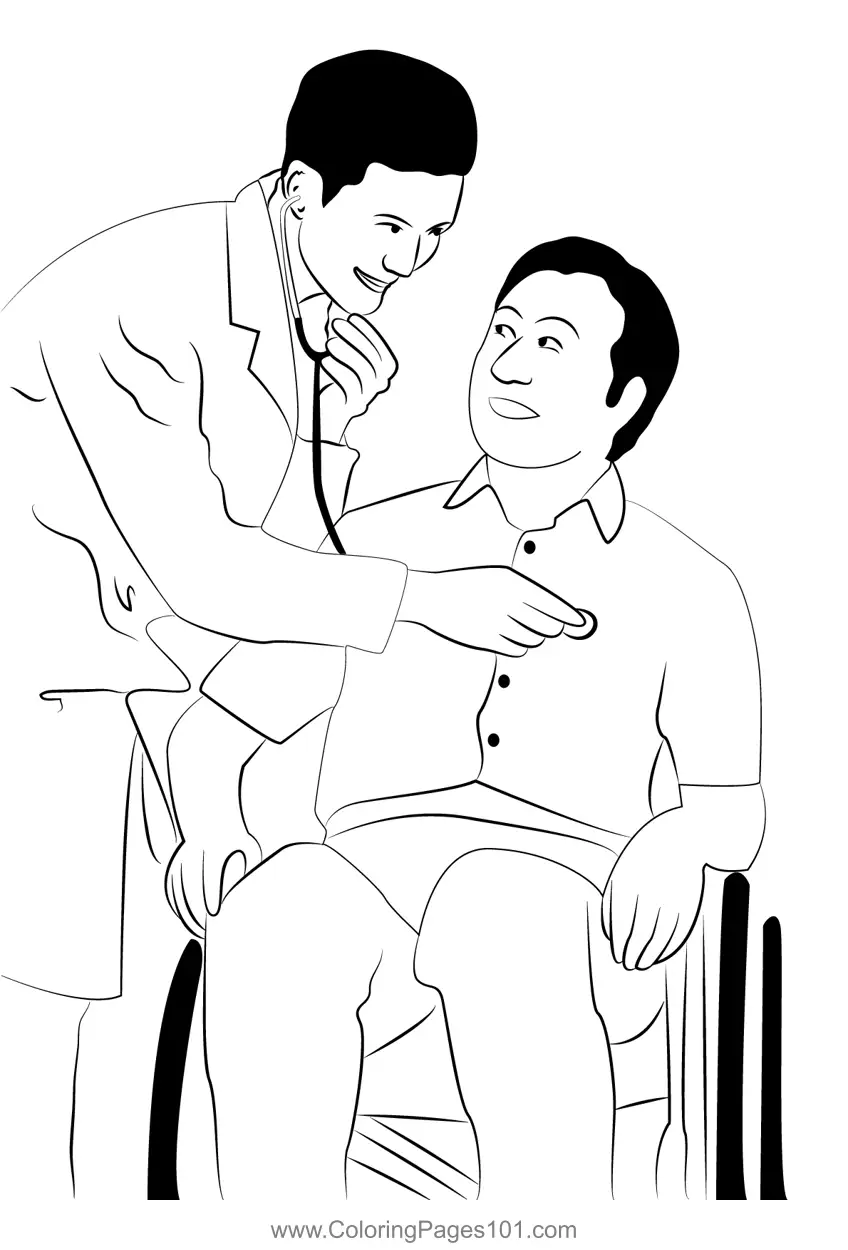
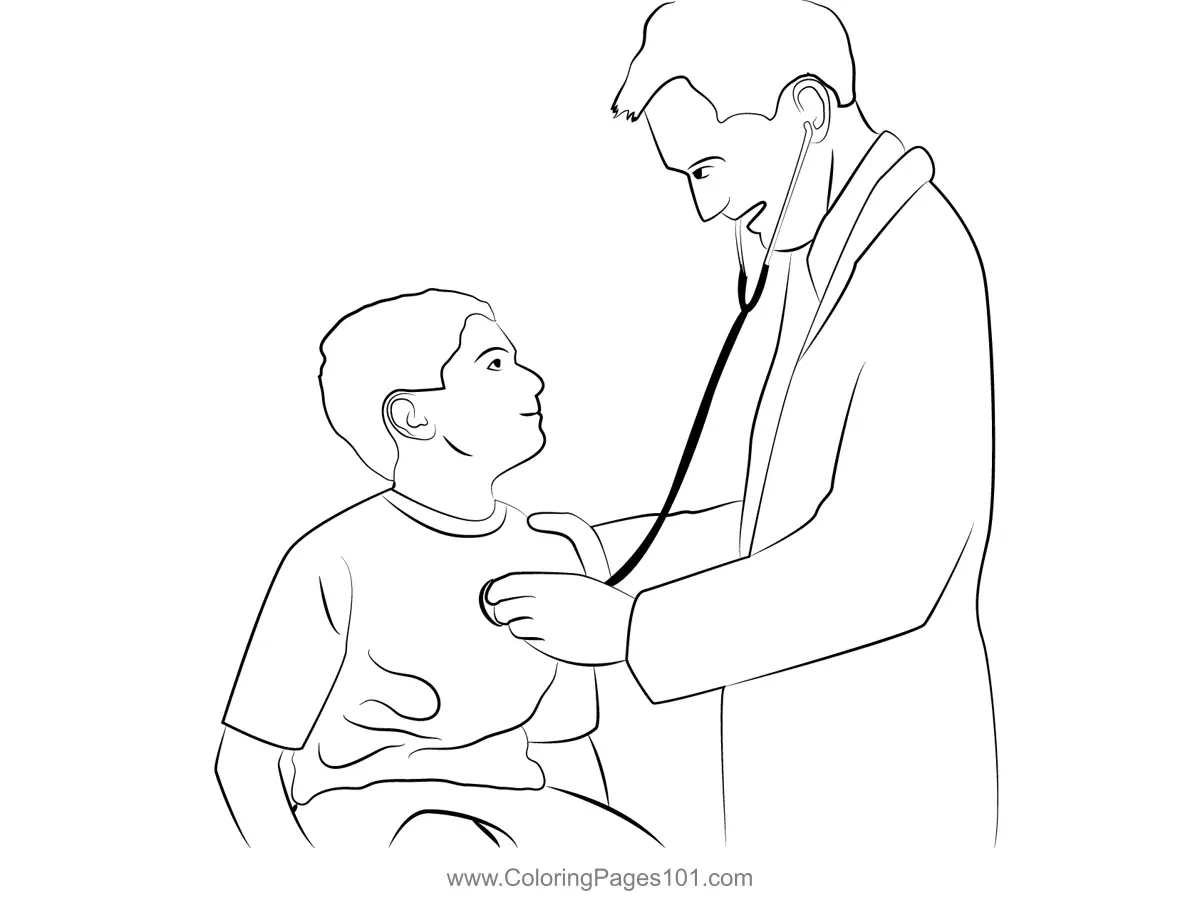
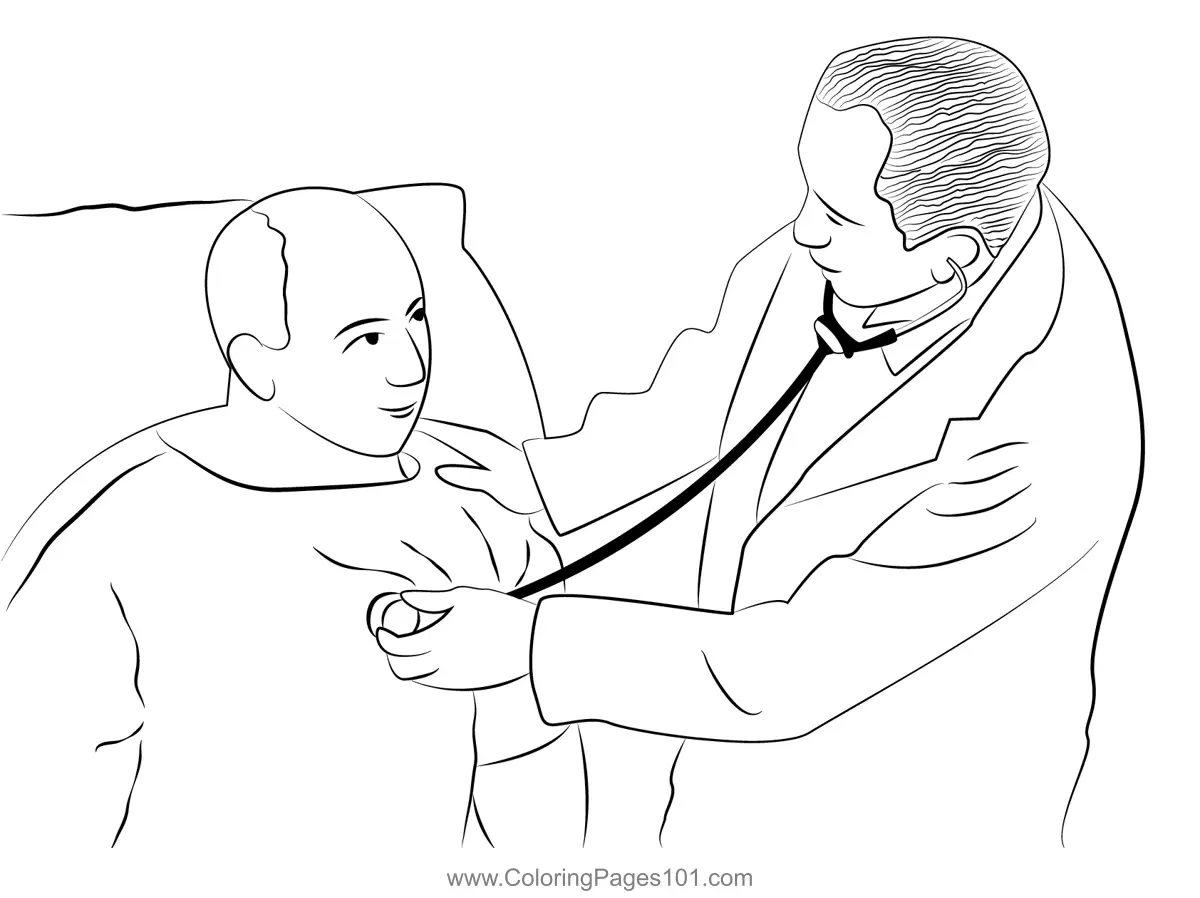
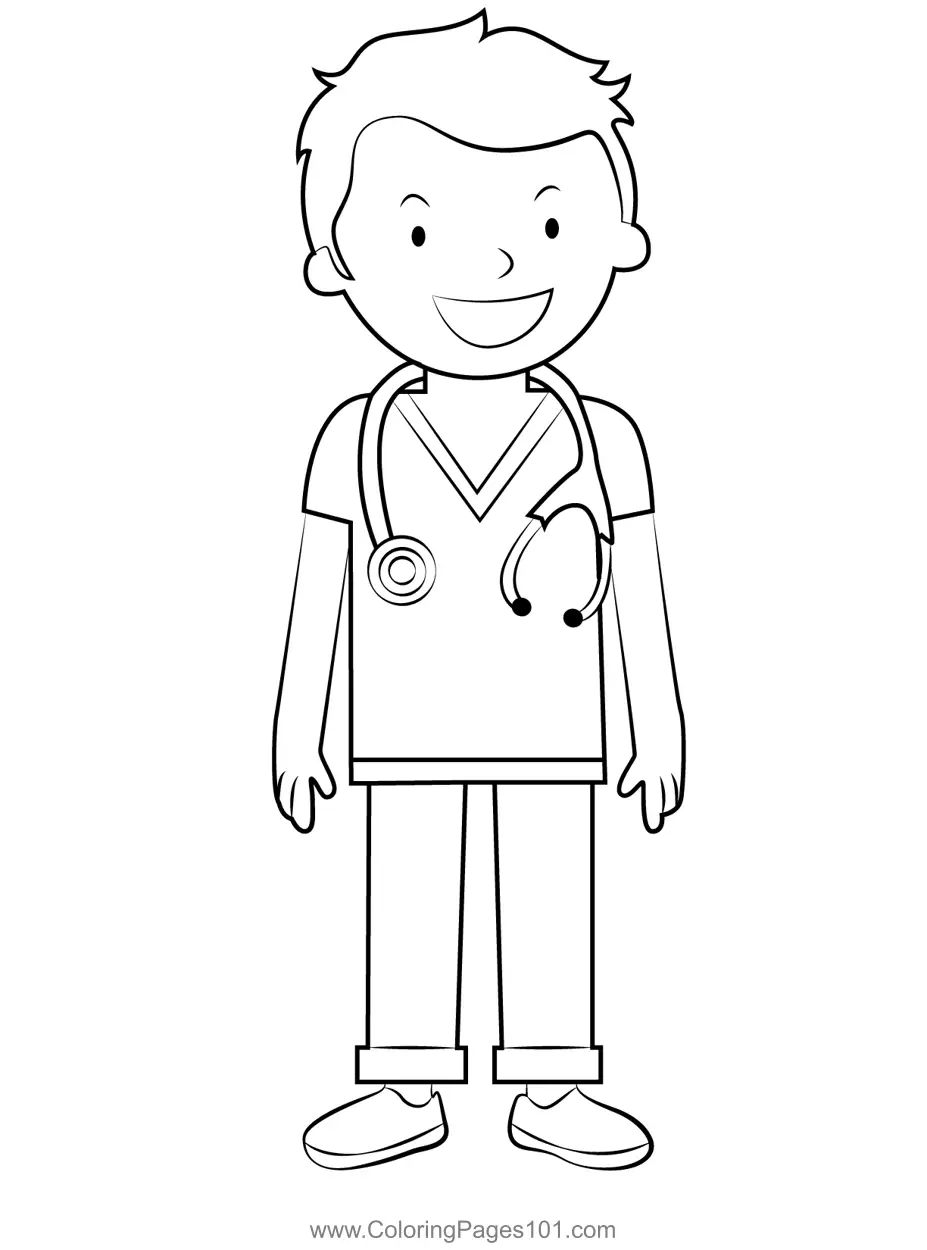
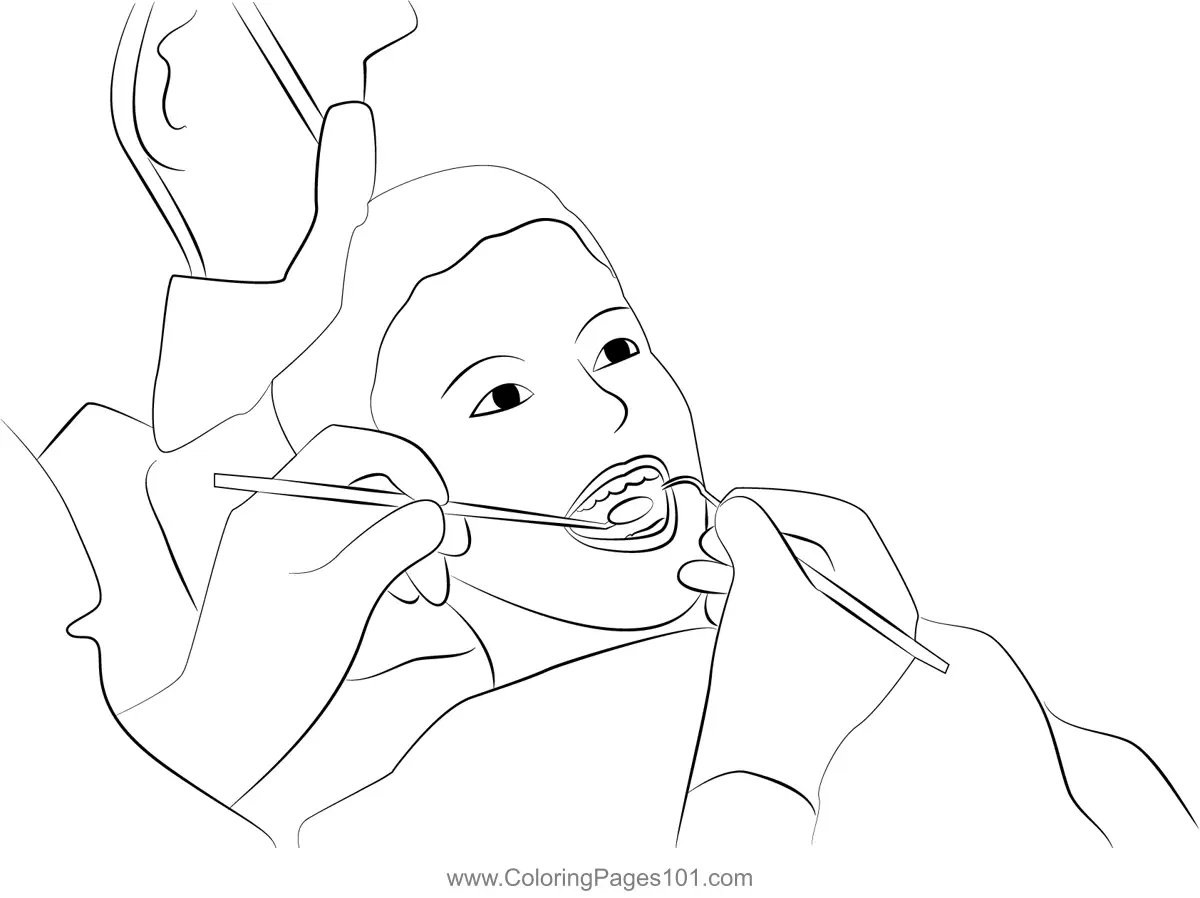
Doctors Coloring Pages - Educational Fun for Creative Minds
Children naturally develop curiosity about medical professionals, making doctors coloring pages an exceptional educational resource that combines entertainment with learning. These thoughtfully designed illustrations introduce young minds to healthcare heroes while nurturing artistic expression and fine motor skill development. At Magic Fingers Art, we understand how valuable these resources become when parents and educators seek meaningful activities that spark imagination while teaching respect for medical professionals who care for our communities daily.
The therapeutic benefits of coloring extend far beyond simple entertainment, offering children opportunities to explore their feelings about doctor visits through creative expression. When youngsters engage with coloring pictures featuring friendly physicians, nurses, and medical equipment, they gradually build positive associations with healthcare environments. This gentle exposure helps reduce anxiety surrounding medical appointments while encouraging conversations about health and wellness. Our collection provides diverse representations of medical professionals, ensuring every child finds relatable characters within our extensive gallery of printable designs.
About doctors coloring pages
Magic Fingers Art proudly presents an outstanding collection of doctors coloring pages that capture various medical scenarios with age-appropriate detail and engaging compositions. Each illustration within our coloring book selection showcases different aspects of medical practice, from routine checkups to emergency room scenes, surgical theaters to pediatric offices. These carefully crafted designs feature anatomically respectful representations while maintaining child-friendly aesthetics that appeal to various age groups. Parents appreciate how our free coloring pages serve dual purposes—keeping children productively occupied while subtly educating them about healthcare professions and medical instruments they might encounter during appointments.
Our extensive library includes representations of general practitioners, surgeons, dentists, veterinarians, and specialists across numerous medical fields. This diversity allows children to explore different career possibilities within healthcare while developing appreciation for the varied roles these professionals fulfill. The illustrations range from simple outlines perfect for toddlers developing hand-eye coordination to intricate designs challenging enough for older children and adults seeking detailed coloring sheets that demand concentration and precision. Every image available through Magic Fingers Art maintains educational value while prioritizing artistic merit, ensuring that finished pieces become cherished keepsakes rather than disposable activities.
The psychological impact of familiarizing children with medical imagery through creative activities cannot be overstated. Research consistently demonstrates that exposure to healthcare settings through non-threatening mediums significantly reduces pediatric anxiety during actual medical visits. When children color images of smiling doctors holding stethoscopes or friendly nurses administering care, they internalize these positive representations, transforming potentially frightening experiences into familiar scenarios. Our doctors coloring pages deliberately emphasize compassionate interactions between medical professionals and patients, reinforcing the message that healthcare providers exist to help and heal rather than cause discomfort.
How to Get Started
Accessing our premium collection of doctors coloring pages requires minimal effort, making Magic Fingers Art the preferred destination for parents, teachers, and caregivers seeking quality educational materials. Simply browse through our organized categories until you discover designs matching your child's interests and skill level. Each printable page features high-resolution artwork optimized for standard home printers, ensuring crisp lines and clear details regardless of your printing equipment. Once you've selected your preferred illustrations, downloading takes mere seconds, allowing immediate access to engaging activities without subscription fees or hidden costs.
The process of selecting appropriate pictures to color should consider the child's developmental stage and current abilities. Younger children benefit from larger shapes with bold outlines that accommodate developing motor control, while older kids thrive when challenged by complex compositions featuring multiple characters and detailed backgrounds. Our collection spans this entire spectrum, offering everything from simple doctor portraits suitable for preschoolers to elaborate hospital scenes that engage elementary students and beyond. Magic Fingers Art recommends printing several variations initially, allowing children to choose designs that genuinely excite them rather than imposing adult preferences onto their creative time.
Preparation enhances the coloring experience significantly, transforming simple activities into memorable bonding opportunities. Gather quality coloring materials—crayons, colored pencils, markers, or even watercolors—based on your child's preferences and the paper quality you've selected. Creating a dedicated workspace with proper lighting and comfortable seating demonstrates that you value their artistic endeavors. Consider printing multiple copies of favorite doctors coloring pages, enabling children to experiment with different color schemes without fear of "ruining" their only version. This approach encourages creative risk-taking and helps develop decision-making skills as they explore various artistic interpretations of identical images.
Timing matters when introducing coloring activities, particularly those with educational components like our medical-themed collection. Many parents find that engaging children with doctors coloring pages shortly before scheduled medical appointments helps prepare them psychologically for upcoming visits. Others incorporate these activities into regular routines, using them as calming exercises before bedtime or quiet afternoon entertainment. Teachers frequently integrate our free coloring pages into health education units, career exploration lessons, or community helper studies, finding that hands-on artistic activities reinforce concepts more effectively than passive learning methods alone.
Doctors coloring pages - Creative Coloring Ideas
Maximizing the educational potential of doctors coloring pages involves thoughtful engagement beyond simply filling spaces with color. Encourage children to narrate stories about the scenes they're coloring, asking questions about what the doctor might be saying, what medical tools they're using, or how the patient might be feeling. This narrative approach transforms static images into dynamic learning experiences that develop language skills, emotional intelligence, and critical thinking simultaneously. Parents can extend these conversations by sharing their own positive medical experiences or explaining how different instruments help doctors keep people healthy.
Color selection itself offers teaching opportunities when working with medical-themed coloring pictures. Discuss why doctors traditionally wear white coats or surgical scrubs in specific colors, explaining practical reasons behind these professional choices. Encourage anatomically appropriate coloring when images include visible body parts, using these moments to introduce basic biology concepts suitable for the child's age level. However, balance educational guidance with creative freedom—if your child wants to color a doctor's hair purple or give them rainbow scrubs, celebrate this imaginative expression rather than insisting on strict realism. The primary goal remains fostering positive associations with healthcare while nurturing artistic confidence.
Collaborative coloring sessions amplify the benefits of individual activities, creating social learning opportunities that develop cooperation and communication skills. Siblings working together on different coloring sheets from the same medical series can compare their artistic choices, discussing why they selected particular colors or techniques. Classroom settings benefit enormously from group projects where students collectively color and assemble large-scale medical scenes, combining individual contributions into comprehensive displays. These collaborative efforts teach children that healthcare itself functions through teamwork, with various professionals contributing specialized skills toward common goals of patient wellness and community health.
Advanced techniques transform simple doctors coloring pages into sophisticated art projects that challenge older children and adults. Experiment with shading techniques that add dimension to flat illustrations, using lighter and darker values of the same color to create depth and realism. Introduce blending methods that smooth transitions between different hues, particularly effective when depicting skin tones or fabric textures. Consider mixed-media approaches that combine traditional coloring with collage elements, adding real fabric scraps for doctor's coats or textured paper for medical equipment. Magic Fingers Art designs accommodate these advanced techniques while remaining accessible to beginners, ensuring our collection serves diverse skill levels and artistic ambitions.
Displaying completed artwork validates children's efforts and reinforces the value of their creative work. Designate specific areas—refrigerator doors, bedroom walls, or classroom bulletin boards—exclusively for showcasing finished doctors coloring pages. Rotate displays regularly to maintain freshness and demonstrate ongoing appreciation for their artistic development. Consider creating personalized coloring book compilations by binding completed pages together, transforming individual sheets into treasured keepsakes that document artistic progress over time. Some families photograph finished pieces before recycling them, maintaining digital galleries that preserve memories without accumulating physical clutter.
Seasonal and thematic variations keep doctors coloring pages perpetually engaging throughout the year. Magic Fingers Art regularly updates our collection with holiday-themed medical illustrations—doctors wearing Santa hats during December, spring scenes featuring pediatricians conducting outdoor health fairs, or Halloween designs showing friendly physicians in costume. These timely additions maintain interest among children who might otherwise tire of standard medical imagery, providing fresh content that aligns with current celebrations and seasonal changes. Thematic consistency helps children anticipate and look forward to new releases, building ongoing engagement with our platform.
Enhancing learning through medical coloring activities
The educational framework surrounding doctors coloring pages extends into multiple academic domains when parents and educators intentionally leverage these resources. Mathematics concepts emerge naturally when counting medical instruments depicted in illustrations or comparing quantities between different scenes. Literacy development accelerates when children label their colored images with vocabulary words related to healthcare—stethoscope, thermometer, bandage, prescription—building specialized terminology that enhances their descriptive capabilities. Science education benefits from discussions about how bodies function, what causes illness, and how medical interventions promote healing, all sparked by visual elements within our carefully designed printable collection.
Social-emotional learning opportunities abound within medical-themed coloring activities, particularly regarding empathy development and understanding diverse perspectives. Discuss how doctors help people from all backgrounds, emphasizing the inclusive nature of quality healthcare. Explore emotions that patients might experience—nervousness before procedures, relief after treatment, gratitude toward caring professionals—helping children recognize and name complex feelings. These conversations build emotional vocabulary while normalizing the full spectrum of reactions people have toward medical experiences. Our doctors coloring pages intentionally depict diverse patient populations and medical professionals, supporting discussions about representation, equity, and the universal human need for compassionate healthcare.
Cultural competency develops when children engage with medical imagery representing various healthcare traditions and practices. While Magic Fingers Art primarily features Western medical settings, we encourage parents and educators to supplement our free coloring pages with discussions about different healing traditions worldwide. This broader perspective teaches children that healthcare takes many forms across cultures while maintaining respect for evidence-based medicine. Such conversations prepare young people to navigate our increasingly interconnected world with curiosity rather than judgment, appreciating both universal healthcare goals and culturally specific approaches to wellness.
Career exploration begins surprisingly early, with young children forming initial impressions about professional possibilities long before formal vocational guidance. Regular exposure to doctors coloring pages plants seeds of possibility, showing children that medical careers represent achievable aspirations rather than distant fantasies. Representation matters tremendously here—children need to see doctors who look like them, share their backgrounds, and demonstrate that healthcare professions welcome people from all communities. Magic Fingers Art consciously designs our collection to showcase this diversity, ensuring that every child can envision themselves in these important roles if they choose to pursue such paths.
Therapeutic applications of medical coloring pages
Healthcare professionals increasingly recognize coloring activities as legitimate therapeutic interventions, particularly within pediatric settings where doctors coloring pages serve multiple clinical purposes. Child life specialists frequently employ these resources in hospitals, using them to prepare young patients for upcoming procedures by familiarizing them with medical equipment and environments they'll encounter. The act of coloring itself provides distraction during uncomfortable treatments, offering patients a focal point beyond their immediate discomfort. Completed coloring pictures become tangible accomplishments during challenging medical journeys, providing psychological boosts when children need encouragement most.
Anxiety reduction represents perhaps the most significant therapeutic benefit of medical-themed coloring activities. The repetitive motions involved in coloring activate parasympathetic nervous system responses, naturally calming physiological stress reactions. When children color images of friendly doctors and positive medical interactions, they simultaneously experience this physiological calming while cognitively reframing healthcare settings as safe rather than threatening. This dual-action approach proves remarkably effective at reducing pre-appointment anxiety, with many pediatric practices now offering doctors coloring pages in waiting rooms specifically to help young patients relax before examinations.
Processing traumatic medical experiences becomes more manageable when children can externalize their feelings through creative expression. Art therapy principles suggest that coloring allows non-verbal processing of difficult emotions, particularly valuable for young children who lack sophisticated language skills to articulate complex feelings. A child who experienced a frightening emergency room visit might repeatedly color similar scenes, gradually integrating the experience into their understanding while maintaining psychological distance through the artistic medium. Parents should observe these patterns without excessive intervention, recognizing that repetitive engagement with particular coloring sheets often indicates ongoing emotional processing rather than unhealthy fixation.
Maximizing the value of free printable resources
Budget-conscious families appreciate that Magic Fingers Art provides premium doctors coloring pages without financial barriers, ensuring that economic circumstances never limit access to quality educational materials. Our commitment to offering free coloring pages reflects our belief that all children deserve opportunities for creative expression and educational enrichment regardless of household income. This accessibility democratizes learning resources that might otherwise remain available only to privileged communities, helping level educational playing fields while supporting parents who already stretch limited budgets across numerous competing priorities.
Environmental considerations influence how thoughtfully we utilize even free resources, encouraging responsible consumption patterns that minimize waste. Print only the pictures to color that genuinely interest your child rather than downloading entire collections indiscriminately. Adjust printer settings to draft quality when appropriate, conserving ink without significantly compromising image clarity. Consider printing on both sides of paper when creating personal coloring book compilations, reducing paper consumption while creating more substantial finished products. These small adjustments demonstrate environmental stewardship to children, teaching them that free resources still carry responsibilities regarding thoughtful use and conservation.
Digital alternatives complement rather than replace traditional printed doctors coloring pages, with tablet-based coloring applications offering distinct advantages for certain situations. Travel scenarios particularly benefit from digital options, eliminating the need to transport physical coloring supplies and completed artwork. However, research suggests that tactile engagement with physical materials provides developmental benefits that digital alternatives cannot fully replicate, particularly regarding fine motor skill development and sensory integration. Magic Fingers Art recommends balanced approaches that incorporate both formats, allowing children to experience diverse creative mediums while developing technological literacy alongside traditional artistic skills.
Building comprehensive educational units around medical themes
Educators can construct extensive learning modules centered on doctors coloring pages as foundational resources, expanding single activities into comprehensive units spanning multiple subjects and skill areas. Begin with the coloring activity itself, then branch into related reading assignments featuring age-appropriate books about doctors and healthcare. Incorporate mathematics through measurement activities