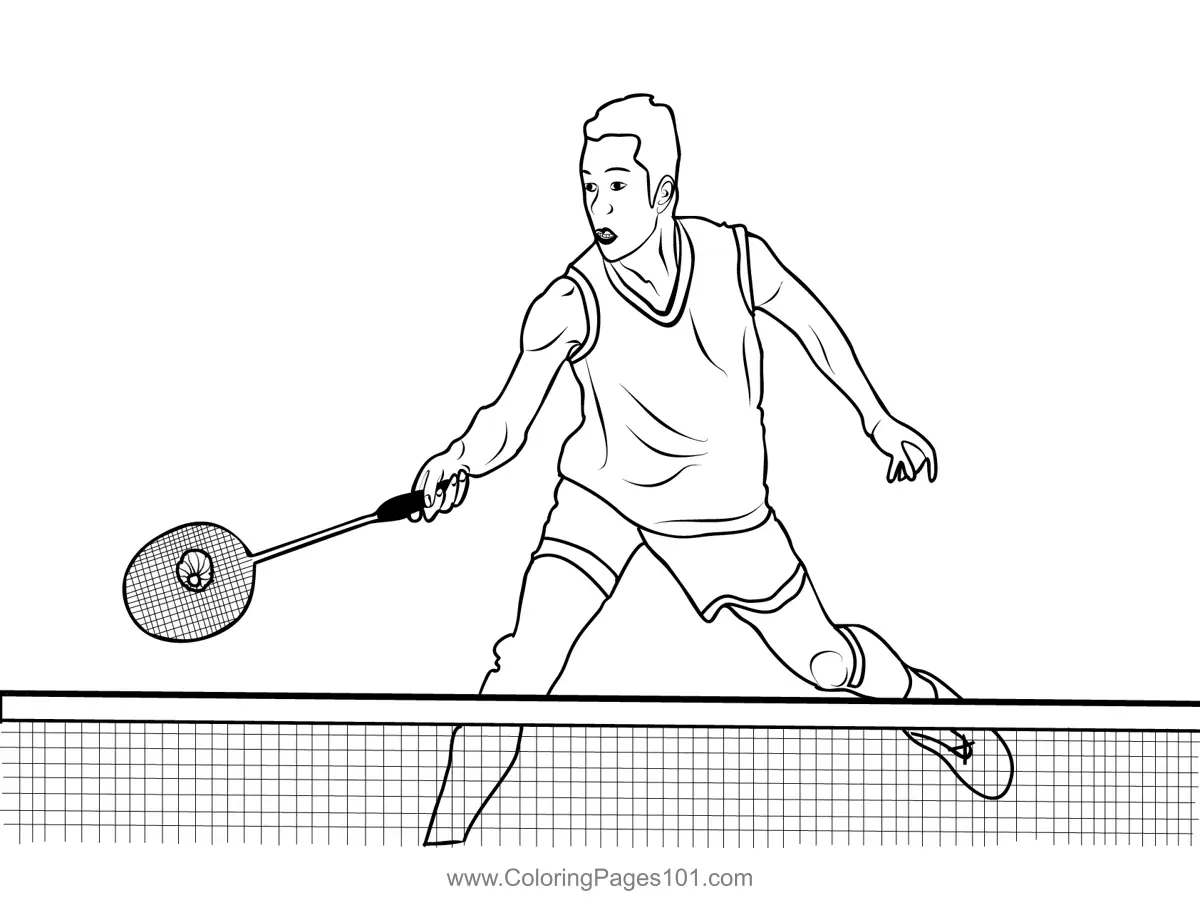
Badminton Coloring Pages
Discovering engaging activities for children that combine entertainment with educational value can be challenging, but badminton coloring pages offer an exceptional solution that captures young imaginations while developing essential motor skills. At Magic Fingers Art, we understand how important it is to provide high-quality printable resources that inspire creativity and foster a love for sports from an early age. Our collection features dynamic illustrations showcasing players in action, detailed rackets, shuttlecocks soaring through the air, and exciting court scenes that bring this beloved sport to life on paper. These artistic templates serve multiple purposes beyond simple entertainment—they introduce children to athletic concepts, encourage hand-eye coordination development, and create opportunities for family bonding during coloring sessions. Parents and educators appreciate how these resources seamlessly blend recreational fun with learning opportunities, making them perfect additions to homeschool curricula, rainy day activities, or quiet time alternatives to screen-based entertainment.
About badminton coloring pages
The world of badminton coloring pages encompasses far more than basic outlines waiting for crayons or markers. Each carefully crafted illustration tells a story about this fast-paced racquet sport that originated in British India during the 19th century and has since become an Olympic favorite watched by millions worldwide. Our extensive collection at Magic Fingers Art includes designs suitable for various age groups and skill levels, from simple shuttlecock shapes perfect for toddlers just learning to grip coloring tools, to intricate scenes depicting competitive matches with detailed backgrounds, spectators, and authentic court markings that challenge even adult coloring enthusiasts. These pictures to color capture the essence of badminton's graceful movements—the powerful smash, the delicate drop shot, the athletic lunge across the court—freezing moments of sporting excellence in black-and-white line art that awaits personal interpretation through color choices. Whether your child dreams of becoming a professional athlete or simply enjoys active play, these illustrations provide meaningful connections between artistic expression and physical activity appreciation. The versatility of our free coloring pages means they adapt perfectly to classroom settings where teachers use them as rewards, therapy sessions where occupational specialists employ them for fine motor skill development, or home environments where parents seek constructive alternatives to digital devices.
How to Get Started
Beginning your creative journey with our badminton coloring pages requires minimal preparation and delivers maximum enjoyment for participants of all ages. Simply browse through Magic Fingers Art's carefully organized gallery where each thumbnail preview allows quick assessment of complexity levels and subject matter before selection. Once you've identified the perfect design, our user-friendly platform enables instant access—you can download files directly to your device for future use or send designs immediately to print using any standard home printer. The technical specifications of our files ensure crisp, clear lines that reproduce beautifully on regular copy paper, though many enthusiasts prefer heavier cardstock for finished pieces they plan to display or preserve in personal portfolios. Before starting the actual coloring process, gather your preferred artistic tools whether that means classic crayons, vibrant markers, subtle colored pencils, or even watercolor paints for those seeking more advanced techniques. Creating a comfortable workspace with adequate lighting prevents eye strain and allows young artists to focus on staying within lines and experimenting with color combinations. Many families transform this activity into special bonding time by printing multiple copies of the same coloring sheet so everyone can create their own unique interpretation, then comparing finished results to appreciate how individual creativity produces diverse outcomes from identical starting points. This approach naturally sparks conversations about personal preferences, color theory basics, and the subjective nature of artistic expression.
Badminton coloring pages - Creative Coloring Ideas
Transforming standard badminton coloring pages into extraordinary artistic achievements requires imagination, experimentation, and willingness to explore unconventional approaches beyond traditional coloring methods. Consider using our printable designs as foundations for mixed-media projects where children incorporate collage elements like fabric scraps for player uniforms, metallic paper for shiny racket frames, or feathers attached to shuttlecock illustrations for three-dimensional texture. Advanced colorists might experiment with shading techniques that create depth perception, making foreground elements appear closer while background details recede, or employ complementary color schemes that make compositions visually striking and professionally polished. Our coloring pictures also serve as excellent templates for learning about color psychology—discussing how bright yellows and oranges convey energy and excitement appropriate for action shots, while cooler blues and greens might suit practice session scenes or contemplative moments between points. Seasonal variations offer another creative avenue; imagine autumn-themed pages where court surfaces feature fallen leaves, winter versions with players bundled in warm-up gear, spring designs incorporating blooming flowers around outdoor courts, or summer illustrations showing bright sunshine and clear skies. Educational extensions might include researching actual badminton uniform colors from different countries and replicating them accurately, or studying famous players and creating coloring book pages inspired by their signature playing styles. Group activities could involve creating sequential pages that tell stories—a player preparing for a match, executing various shots, celebrating victory—then binding finished pages into personalized athletic narratives. The possibilities expand exponentially when you view these resources not as simple time-fillers but as springboards for comprehensive creative exploration that develops artistic confidence alongside sports appreciation.
Why badminton coloring sheets inspire young athletes
Psychological research consistently demonstrates that children who engage with sports-themed artistic activities develop stronger connections to physical fitness and athletic participation throughout their lives. Our badminton coloring pages serve this developmental purpose beautifully by familiarizing young minds with equipment, court layouts, proper playing positions, and game dynamics through repeated visual exposure during enjoyable creative sessions. Unlike passive observation of sports on television, actively coloring these detailed illustrations requires focused attention on specific elements—how players grip rackets, the angle of bodies during serves, the trajectory of shuttlecocks in flight—embedding this knowledge through kinesthetic learning that combines visual processing with fine motor engagement. Children naturally absorb terminology when adults discuss images during coloring time, casually introducing vocabulary like "baseline," "net," "rally," and "birdie" in contextually appropriate moments that facilitate organic language acquisition. This subtle educational component makes our coloring sheets valuable tools for parents who prioritize holistic development encompassing physical literacy alongside traditional academic skills. Furthermore, completing these artistic projects builds confidence and provides tangible evidence of capability—finished pages become sources of pride that children eagerly display on refrigerators or in bedrooms, creating positive associations with badminton that may eventually translate into actual participation interest. The accessibility of free coloring pages ensures economic barriers never prevent families from accessing these developmental resources, aligning with Magic Fingers Art's commitment to democratizing creative education for all children regardless of financial circumstances.
Bringing badminton excitement home through printable art
Magic Fingers Art recognizes that modern families seek convenient, affordable entertainment options that deliver genuine value without requiring extensive preparation or expensive supplies. Our badminton coloring pages perfectly fulfill these criteria by offering instant access to professionally designed content that transforms ordinary afternoons into memorable creative experiences. The convenience of printable formats means spontaneous activity opportunities—when unexpected weather cancels outdoor plans, when siblings need constructive entertainment during video calls, when traveling families want portable activities for restaurants or waiting rooms, simply accessing our collection and printing fresh pages solves entertainment challenges immediately. This flexibility proves especially valuable for educators managing diverse classroom needs; teachers can differentiate instruction by providing simpler designs to students requiring modified assignments while offering complex illustrations to advanced learners seeking additional challenges, all from the same resource collection. The therapeutic benefits of coloring have gained significant recognition in recent years, with medical professionals recommending these activities for stress reduction, anxiety management, and mindfulness practice among both children and adults. Our detailed pictures to color facilitate these calming effects through repetitive motions and focused concentration that quiet racing thoughts and promote present-moment awareness. Parents report that establishing regular coloring routines helps children transition between activities, wind down before bedtime, or regain composure after emotional upsets, making these simple coloring pictures surprisingly powerful tools for emotional regulation development. By choosing badminton themes specifically, families also reinforce positive messages about active lifestyles, teamwork, perseverance, and sportsmanship—values that extend far beyond the coloring table into broader life applications.
Enhancing your badminton coloring experience with creative techniques
While traditional crayon application certainly produces satisfying results with our badminton coloring pages, exploring alternative artistic methods unlocks new dimensions of creative possibility that keep this activity engaging across years of development. Younger children might enjoy experimenting with dot markers that create interesting textured effects, or painting with cotton swabs dipped in watercolors for controlled application that builds confidence before graduating to traditional brushes. Older participants could investigate blending techniques using colored pencils, layering multiple hues to achieve realistic skin tones, fabric textures, or atmospheric backgrounds that elevate simple line drawings into gallery-worthy artwork. Digital coloring represents another frontier; many families scan or photograph our printable pages then use tablet applications that simulate various media while eliminating mess concerns and allowing unlimited experimentation through easy undo functions. This technological approach particularly appeals to children who gravitate toward screen-based activities, channeling that interest into creative rather than purely consumptive digital engagement. Collaborative projects offer social dimensions—large-format prints of our coloring book pages become group murals where multiple children work simultaneously on different sections, negotiating color choices and developing cooperation skills alongside artistic abilities. Seasonal decorating projects might involve coloring badminton scenes, cutting out finished elements, and incorporating them into larger displays celebrating sports, international cultures, or Olympic themes. Advanced crafters transform completed pages into functional items like personalized greeting cards, bookmark designs, or decoupage elements for decorating storage boxes and picture frames, extending the life and utility of each colored creation far beyond its original purpose.
Educational benefits hidden within fun badminton illustrations
Astute parents and educators recognize that our badminton coloring pages deliver substantial learning opportunities disguised as entertainment, making them ideal resources for sneaking education into recreational time. Geography lessons naturally emerge when discussing badminton's popularity across Asian countries, particularly Indonesia, Malaysia, and China where the sport enjoys massive followings and produces world-champion athletes. Historical discussions might explore the game's evolution from ancient battledore games through British colonial adaptation to modern Olympic competition, providing context that transforms simple coloring sheets into windows onto broader cultural narratives. Mathematics applications include counting players, rackets, and shuttlecocks in illustrations, discussing court dimensions and measurement concepts, or exploring scoring systems and statistical thinking appropriate for various age levels. Science connections encompass physics principles like trajectory, force, and momentum visible in shuttlecock flight paths, or biological topics including muscle groups activated during different shots and cardiovascular benefits of regular play. Language arts extensions might involve creative writing assignments where children invent stories about characters depicted in their chosen pictures to color, developing narrative skills while personalizing artistic experiences. These multidisciplinary connections demonstrate how seemingly simple coloring activities actually engage multiple cognitive domains simultaneously, making efficient use of learning time while maintaining the playful atmosphere that keeps children motivated and engaged. Magic Fingers Art takes pride in creating resources that respect children's intelligence by offering genuine substance beneath surface-level entertainment value.
Discover endless possibilities with free badminton artwork
The extensive collection of badminton coloring pages available through Magic Fingers Art continues expanding regularly, ensuring fresh content that prevents boredom and maintains ongoing interest across months or years of use. Our design team carefully researches authentic badminton imagery, studying professional matches, equipment specifications, and player techniques to ensure accuracy in every illustration we produce. This commitment to quality means children absorb correct visual information about proper form and equipment appearance rather than stylized cartoons that might misrepresent actual sport characteristics. Diversity representation remains a priority throughout our collection, with illustrations featuring athletes of various ethnicities, genders, ages, and ability levels, sending inclusive messages that badminton welcomes everyone regardless of background or physical attributes. Accessibility considerations inform our design choices—clear, bold outlines accommodate users with visual processing differences, while varied complexity levels ensure appropriate challenges exist for every skill stage from preschool through adult. The completely free nature of these resources reflects our foundational belief that creative development opportunities should never depend on economic privilege; every child deserves access to quality educational entertainment regardless of family financial circumstances. This philosophy distinguishes Magic Fingers Art from competitors who gate premium content behind paywalls, instead building our platform on genuine commitment to childhood enrichment and artistic skill development. Users appreciate this authentic mission-driven approach, frequently sharing our free coloring pages with friends, family members, and social networks, organically expanding our community of creative enthusiasts who value substance over commercial exploitation.
Transform screen time into creative productivity
Contemporary parents constantly navigate challenging decisions about appropriate technology use, seeking healthy balances between digital engagement and traditional hands-on activities. Our badminton coloring pages offer compelling alternatives that redirect children's attention from passive content consumption toward active creative production. When children request device time, suggesting they first complete a coloring project creates productive compromise—they engage with screens briefly to select and print desired images, then spend substantial time in analog creative work before earning additional digital privileges. This approach gradually builds habits around balanced technology use without creating adversarial dynamics or complete prohibitions that often backfire with older children. The tangible nature of finished colored pages provides satisfaction that ephemeral digital activities rarely deliver; children can physically hold, display, and share their creations, experiencing concrete evidence of time invested and skills developed. These completed projects also create natural conversation starters when guests visit, allowing children to explain their artistic choices and demonstrate knowledge about badminton gained through coloring engagement. Family technology agreements might incorporate our coloring pictures as approved quiet activities during designated screen-free periods, providing acceptable entertainment options that don't trigger negotiations or complaints. Educational research increasingly emphasizes the importance of hands-on manipulation for cognitive development, particularly during early childhood when neural pathways form through physical interaction with materials. By prioritizing activities like coloring alongside digital experiences, parents support optimal brain development while still acknowledging technology's legitimate role in modern life. Magic Fingers Art proudly contributes to this balanced approach by maintaining our platform's accessibility and regularly updating content that keeps traditional creative activities relevant and appealing to digitally native generations.
Building collections and developing artistic portfolios
Regular engagement with our badminton coloring pages naturally leads to accumulated finished pieces that document artistic development over time, creating opportunities for portfolio building that serves multiple valuable purposes. Organizing completed work chronologically allows children to observe their own skill progression—comparing early attempts with recent creations reveals dramatic improvements in color control, design choices, and technical execution that build confidence and motivation for continued practice. These visual records of growth prove especially meaningful during moments of frustration when new challenges feel overwhelming; reviewing past achievements reminds young artists how much they've already accomplished through persistent effort. Some families designate special binders or folders for storing favorite completed pages, creating personalized coloring book collections that become treasured possessions and sources of pride. Digital documentation offers another preservation approach; photographing finished pieces before recycling originals builds electronic galleries that consume no physical storage space while remaining easily shareable with distant relatives through email or