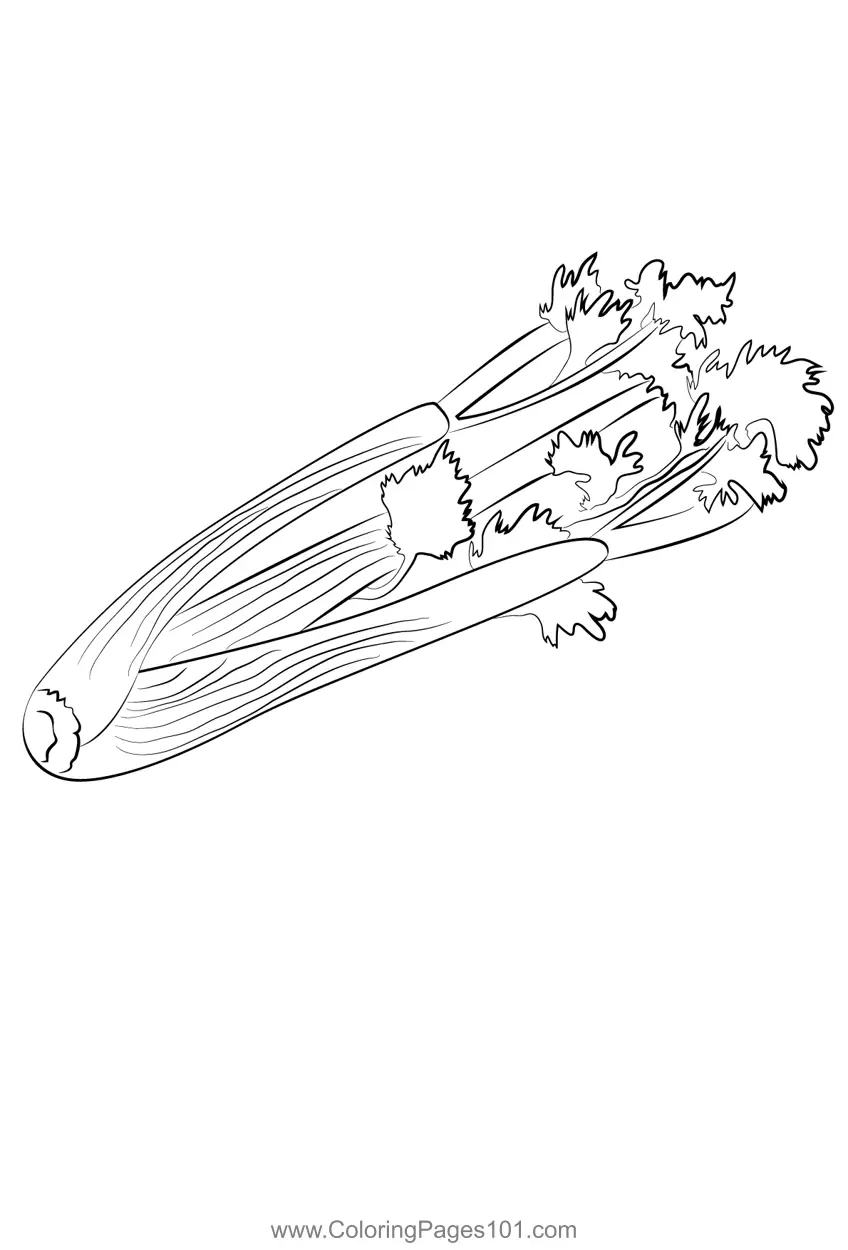
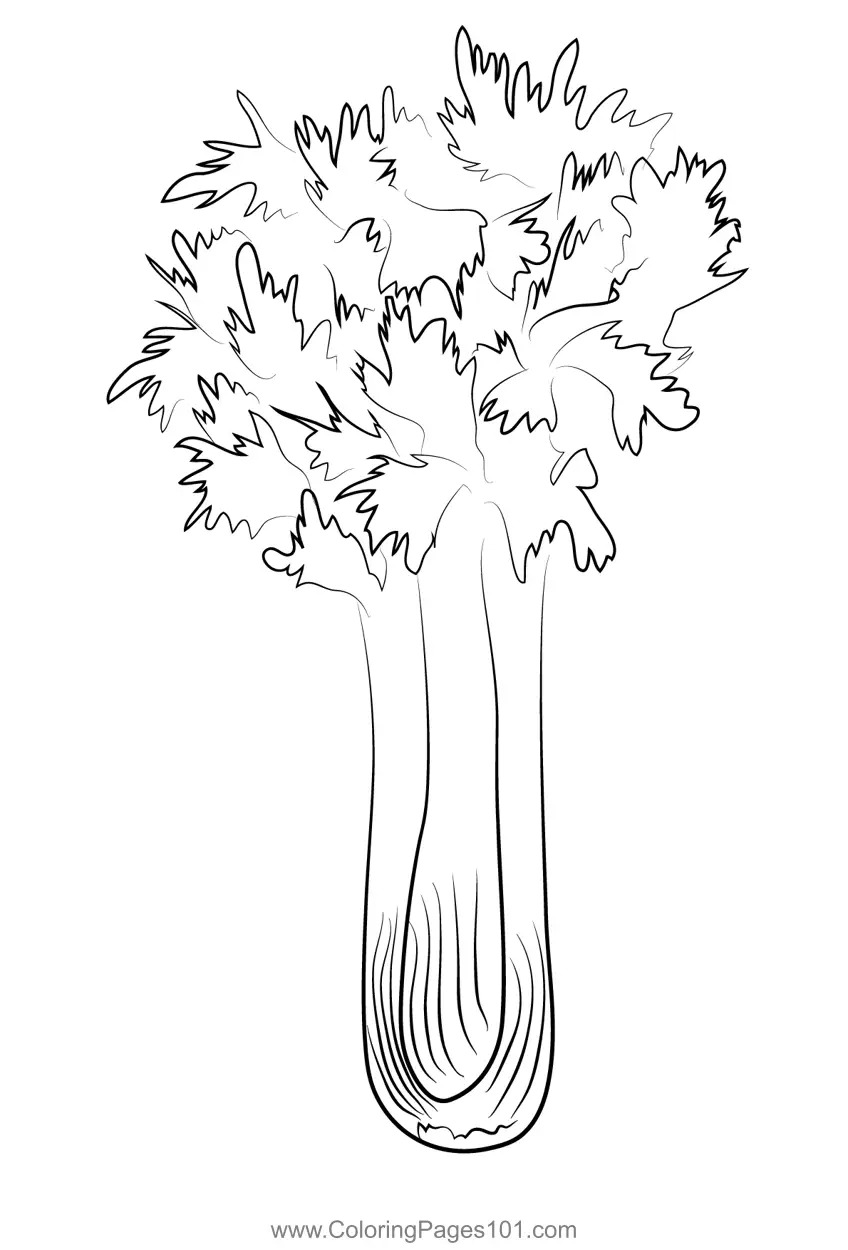
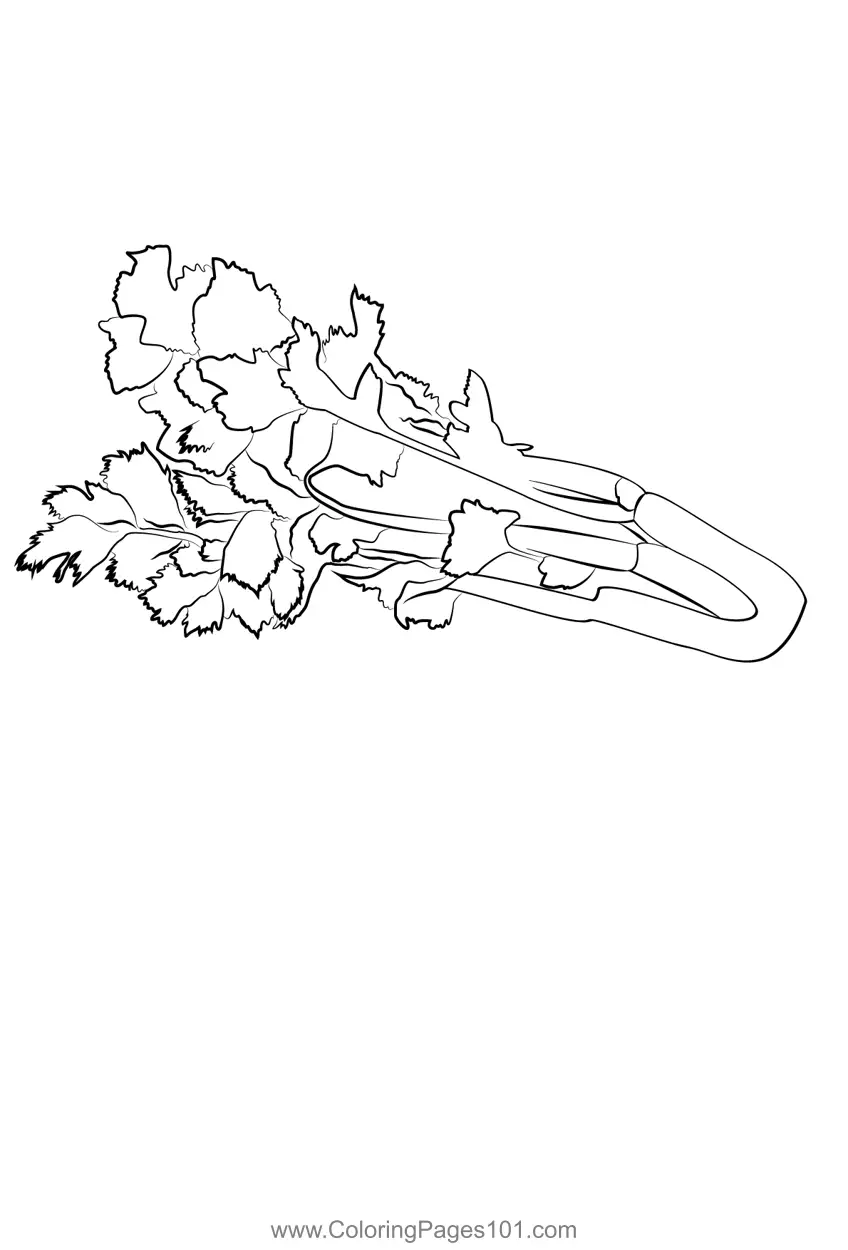
Celery Coloring Pages
Discovering engaging and educational activities for children can transform ordinary moments into extraordinary learning experiences. Celery coloring pages offer a unique opportunity to combine artistic expression with nutritional awareness, making them an invaluable resource for parents, educators, and caregivers seeking meaningful creative outlets. At Magic Fingers Art, we understand that quality printable resources make all the difference when encouraging young artists to explore their imagination while learning about healthy vegetables. These carefully designed coloring sheets provide hours of entertainment while subtly introducing children to the importance of incorporating vegetables into their daily lives.
The beauty of vegetable-themed artwork lies in its ability to make familiar foods more appealing through creative engagement. When children color illustrations of crispy stalks with their vibrant green hues and distinctive ridged texture, they develop a deeper connection with what they see on their dinner plates. Our collection features everything from realistic botanical drawings to whimsical cartoon interpretations, ensuring that every young artist finds something that resonates with their personal style. Whether you're looking for simple outlines suitable for toddlers or intricate designs that challenge older children, our free coloring pages cater to all skill levels and artistic preferences.
About celery coloring pages
Celery coloring pages represent more than just another vegetable illustration in a child's coloring book. They serve as educational tools that bridge the gap between nutrition education and creative play. This humble vegetable, with its distinctive appearance featuring long fibrous stalks and feathery leaves, provides artists with interesting textures and shapes to explore through color and shading techniques. The anatomical structure of this crunchy vegetable offers wonderful opportunities for children to practice their fine motor skills while filling in the narrow stalks, detailed leaves, and clustered formation that characterizes fresh bunches.
Parents and teachers consistently choose vegetable-themed activities because they naturally spark conversations about healthy eating habits without feeling preachy or forced. When a child sits down with coloring pictures featuring this nutritious snack, they begin associating positive, relaxing feelings with vegetables. This psychological connection can influence their willingness to try new foods and develop adventurous eating habits. Research in child development suggests that repeated exposure to food imagery through play activities increases familiarity and reduces resistance to trying unfamiliar items. Magic Fingers Art takes pride in creating resources that support both cognitive development and healthy lifestyle choices through thoughtfully designed pictures to color.
Our extensive collection includes various artistic interpretations that showcase this vegetable in different contexts. Some illustrations depict freshly harvested bunches with roots still attached, while others show prepared stalks ready for snacking, complete with accompanying dips like peanut butter or hummus. These contextual variations help children understand the journey from garden to table, fostering appreciation for where their food originates. Educational elements embedded within our designs might include cross-sections revealing the vegetable's internal structure, growth stages from seed to mature plant, or companion illustrations showing other vegetables commonly grown alongside it in gardens. Such comprehensive approaches transform simple coloring sheets into multifaceted learning experiences.
How to Get Started
Accessing our celery coloring pages couldn't be simpler, making it effortless for busy parents and educators to provide quality activities on demand. Magic Fingers Art has streamlined the process so you can move from browsing to creating in just moments. Simply navigate through our vegetable category, select your preferred designs, and choose whether you'd like to print immediately or download for later use. Our platform supports various file formats ensuring compatibility with different devices and printing setups, so technical limitations never stand between your child and their next artistic adventure.
Before printing, consider the materials that will enhance the coloring experience. Standard printer paper works perfectly fine for casual coloring sessions, but slightly heavier cardstock produces more professional-looking results that children feel proud to display. The choice of coloring medium also impacts the final outcome—crayons offer bold, waxy coverage ideal for younger children still developing grip strength, while colored pencils provide precision for detailed shading work that older kids enjoy. Markers create vibrant, saturated colors but require careful handling to prevent bleed-through, so placing protective sheets underneath becomes essential. Experimenting with different combinations helps children discover their preferred techniques while developing artistic versatility.
Setting up an inviting coloring station encourages children to engage more deeply with their printable activities. Designate a well-lit area with comfortable seating where supplies remain organized and easily accessible. A simple caddy containing various coloring tools, a cup of water for cleaning hands, and perhaps some reference images of real vegetables can transform any table into a creative workspace. When children know exactly where to find their materials and have a dedicated space for artistic expression, they're more likely to initiate these activities independently, fostering self-directed learning and confidence. Parents might consider creating a gallery wall where completed coloring pictures can be displayed, validating the child's efforts and creating a sense of accomplishment that motivates continued creative exploration.
Celery coloring pages - Creative Coloring Ideas
Moving beyond traditional coloring approaches unlocks new dimensions of creativity with celery coloring pages. While realistic green shades certainly have their place, encouraging children to experiment with unconventional color palettes stimulates imaginative thinking and artistic freedom. Rainbow-colored stalks, purple leaves, or polka-dotted patterns transform ordinary vegetables into fantastical creations that exist only in the child's imagination. This departure from realism removes the pressure of "getting it right" and instead celebrates personal expression and creative risk-taking. Magic Fingers Art believes that art should liberate rather than constrain, so our designs work beautifully whether approached realistically or fantastically.
Texture techniques add visual interest and tactile dimension to flat pictures to color. Demonstrate how varying pressure with colored pencils creates lighter and darker values, giving stalks a three-dimensional appearance. Cross-hatching with markers or crayons produces interesting patterns that suggest the fibrous nature of this crunchy vegetable. Younger children might enjoy gluing small pieces of green tissue paper or fabric scraps onto their pages, creating mixed-media collages that engage multiple senses. These experimental approaches teach fundamental artistic concepts like value, texture, and composition while keeping the activity fresh and engaging even for children who color regularly.
Thematic integration expands the educational value of celery coloring pages beyond isolated activities. Pair coloring sessions with cooking projects where children help prepare vegetable snacks, reinforcing the connection between artistic representation and real-world objects. Create storytelling opportunities by asking children to invent narratives about their colored creations—perhaps their celery is a magical wand, a tiny forest for miniature creatures, or a superhero with special powers. These narrative extensions develop language skills, sequential thinking, and creative writing abilities while making the coloring experience more memorable. Teachers might incorporate completed pages into classroom displays about nutrition, gardens, or the color green, demonstrating how individual contributions combine into collective learning experiences.
Seasonal variations keep free coloring pages relevant throughout the year. Spring designs might show seedlings emerging from soil, summer versions could depict mature plants thriving in garden beds, autumn illustrations might feature harvest scenes, and winter pages could show preserved vegetables or indoor growing setups. This cyclical approach teaches children about agricultural rhythms and seasonal eating patterns while providing fresh content that prevents activity fatigue. Magic Fingers Art regularly updates our collection with seasonal variations, holiday-themed designs, and trending artistic styles, ensuring that returning visitors always discover something new to spark their creative interest.
Bringing vegetables to life through artistic expression
The journey through celery coloring pages represents much more than filling spaces with color—it's about nurturing curiosity, building healthy relationships with food, and developing artistic confidence that extends far beyond the page. At Magic Fingers Art, we've witnessed countless children transform from reluctant vegetable-eaters into enthusiastic garden helpers and adventurous food explorers, all because coloring activities created positive associations with nutritious foods. Our commitment to providing high-quality, accessible printable resources stems from understanding that small creative moments accumulate into significant developmental milestones.
Every downloaded coloring book page represents an opportunity—an opportunity to slow down in our fast-paced world, to connect with children through shared creative time, and to plant seeds of healthy habits that will flourish throughout their lives. The simple act of selecting colors, staying within lines, and making artistic decisions builds neural pathways that support academic learning, emotional regulation, and problem-solving abilities. When you choose Magic Fingers Art for your coloring sheets, you're not just printing pictures; you're investing in comprehensive child development through thoughtfully designed, engaging, and educational resources that respect both the intelligence of young learners and the practical needs of busy caregivers.