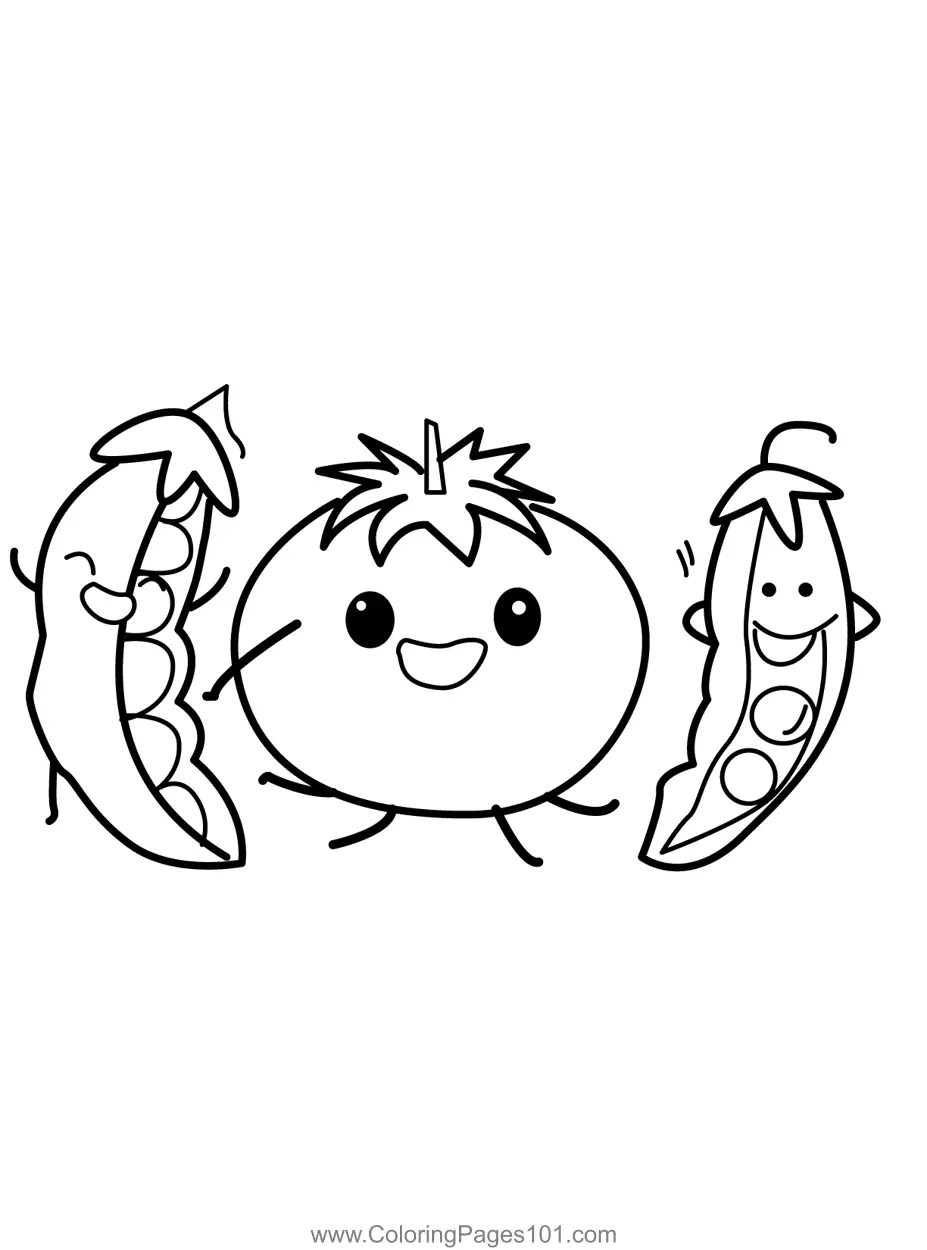
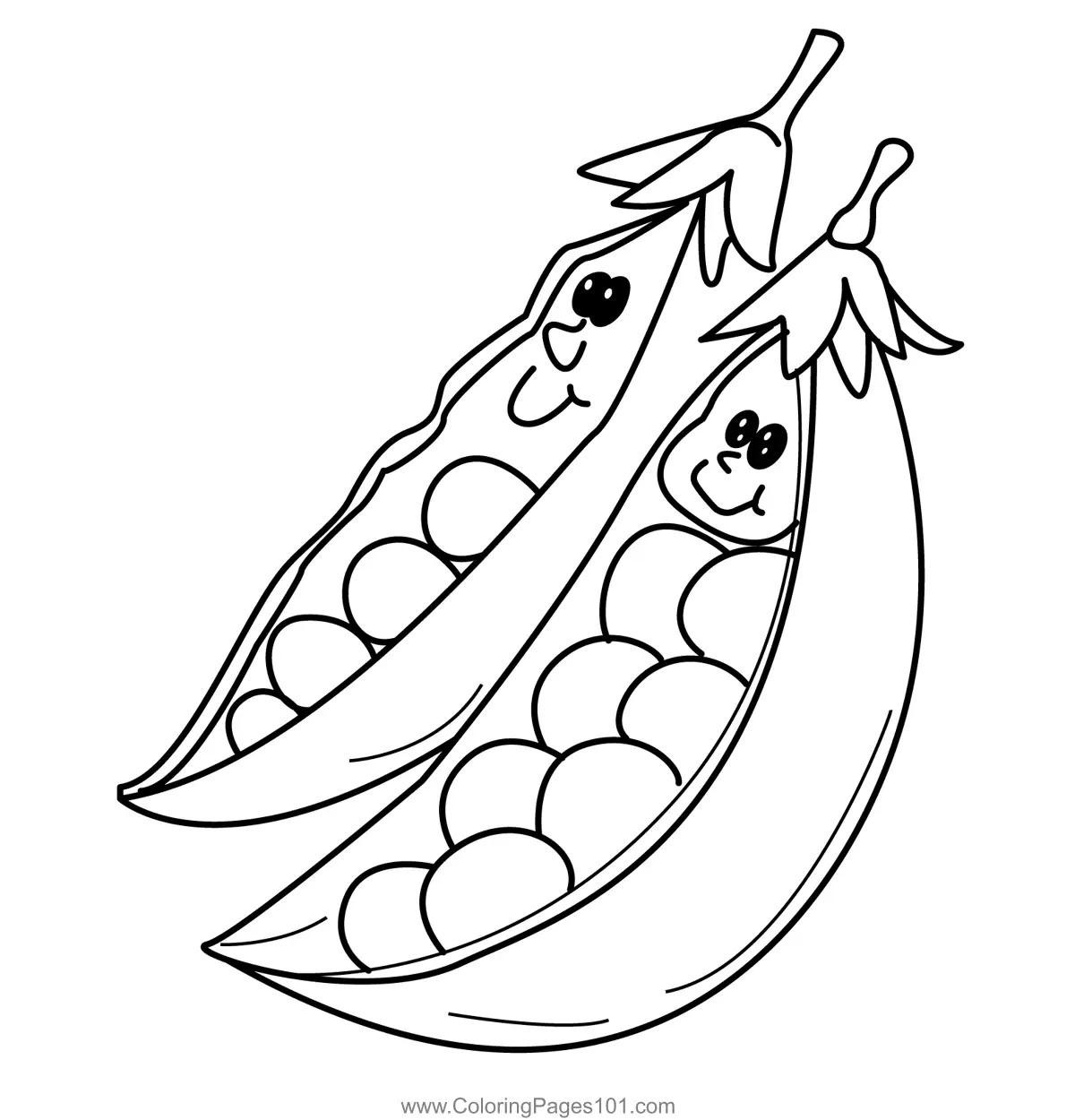
Vegetables Coloring Pages
Children and adults alike discover endless joy when exploring artistic expression through themed illustrations, and vegetables coloring pages offer a unique opportunity to combine creativity with educational value. At Magic Fingers Art, we provide an extensive collection of high-quality printable designs featuring everything from leafy greens to root vegetables, allowing artists of all ages to engage with healthy food concepts while developing fine motor skills and color recognition abilities. These carefully crafted illustrations transform ordinary produce into exciting subjects that captivate young minds and provide relaxing activities for grown-ups seeking stress relief through artistic endeavors.
Our platform makes accessing these resources incredibly simple, as every design is available as free coloring pages that you can download instantly without any subscription requirements or hidden fees. The diversity within our vegetable-themed collection ensures that whether someone prefers realistic botanical illustrations or whimsical cartoon interpretations, they'll find pictures to color that match their artistic preferences perfectly. From detailed cross-sections of bell peppers to cheerful anthropomorphic carrots with smiling faces, each illustration has been thoughtfully designed to encourage engagement while teaching children about nutritious foods that contribute to healthy eating habits.
About vegetables coloring pages
The educational potential embedded within vegetables coloring pages extends far beyond simple entertainment, as these artistic tools serve multiple developmental purposes for children while offering therapeutic benefits for adults. When youngsters select colors for tomatoes, cucumbers, broccoli, and corn, they simultaneously absorb information about natural pigments found in real produce, creating mental associations between specific vegetables and their characteristic hues. This visual learning reinforces nutritional education that parents and teachers provide, making abstract concepts about healthy eating more concrete and memorable through hands-on creative activity.
Magic Fingers Art has curated a comprehensive coloring book experience through our digital platform, where visitors can browse through dozens of vegetable-themed designs organized by difficulty level, artistic style, and specific produce types. Our collection includes everything from simple outline drawings perfect for toddlers just learning to grip crayons, to intricate garden scenes featuring multiple vegetables that challenge experienced colorists seeking detailed projects. Each coloring sheet has been optimized for standard paper sizes, ensuring that when you choose to print these designs at home, they'll fit perfectly on letter or A4 paper without awkward scaling issues that might crop important details or leave excessive white space.
The versatility of our vegetable illustrations means they're equally suitable for classroom activities, homeschool curricula, rainy day entertainment, or quiet time before bed. Teachers frequently incorporate these coloring pictures into lesson plans about nutrition, plant biology, gardening, and farm-to-table food systems, using the coloring activity as either an introduction to spark interest or a reinforcement exercise to cement knowledge after instruction. Parents appreciate how these resources provide screen-free entertainment that keeps children productively occupied while subtly promoting positive attitudes toward vegetables that might otherwise face resistance at mealtime.
How to get started
Beginning your creative journey with our vegetables coloring pages requires nothing more than a device with internet access and a printer, making this an accessible activity regardless of your technological expertise or artistic background. Simply navigate through the Magic Fingers Art website to browse our vegetable category, where you'll encounter thumbnail previews of each available design. Click on any image that catches your eye to view it in full resolution, allowing you to assess the complexity level and determine whether it matches the intended colorist's skill level before committing to download.
Once you've selected your preferred printable design, downloading takes just seconds with a single click on the clearly marked button beneath each illustration. The files are formatted as high-quality PDFs that preserve crisp lines and clear details regardless of paper size or printer specifications. After downloading, you can immediately send the file to your printer or save it to a dedicated folder for future use, building a personal library of coloring sheets that you can access whenever inspiration strikes without requiring repeated internet searches.
For optimal results when preparing to print your chosen vegetable illustrations, we recommend using standard white printer paper with a weight of at least 24 pounds, as this thickness prevents marker bleed-through while remaining affordable for regular use. If you plan to use watercolors or other wet media, consider upgrading to cardstock or specialized watercolor paper to prevent warping and ensure your finished artwork maintains its integrity. Before printing multiple copies, run a test page to verify that your printer settings are configured correctly, checking that the image is centered properly and that no edges are cut off due to margin settings.
Gathering your coloring supplies becomes the next exciting step, and the beauty of vegetables coloring pages lies in their compatibility with virtually any coloring medium you prefer. Crayons offer the most accessible option for young children, providing bold colors and easy grip without the mess associated with markers or paints. Colored pencils allow for greater precision and layering techniques that create depth and shading, making them ideal for older children and adults pursuing more sophisticated results. Markers deliver vibrant, saturated colors that make vegetables look particularly appetizing and eye-catching, though care must be taken to prevent bleeding through thinner papers.
Vegetables coloring pages - creative coloring ideas
Transforming simple pictures to color into memorable artistic achievements requires only a spark of imagination and willingness to experiment beyond conventional approaches. Rather than limiting yourself to realistic color schemes where tomatoes must always be red and carrots invariably orange, encourage children to explore fantasy palettes that reimagine vegetables in unexpected hues. Purple corn, blue potatoes, and rainbow-striped zucchini might not exist in nature, but they certainly can flourish on paper, fostering creative thinking that breaks free from rigid rules and celebrates individual expression.
Texture techniques elevate ordinary coloring pictures into multidimensional artworks that engage both visual and tactile senses. Demonstrate how varying pressure with colored pencils creates lighter and darker values of the same color, adding volume and form to flat vegetable outlines. Show young artists how short, directional strokes can mimic the fibrous texture of celery stalks or the bumpy surface of cauliflower florets, while smooth, circular motions work beautifully for rendering the glossy skin of eggplants and peppers. These simple techniques transform basic coloring into genuine artistic practice that develops observational skills and hand-eye coordination.
Background elements provide another avenue for creative expansion beyond the primary vegetable subjects featured in our free coloring pages. Encourage colorists to imagine where their vegetables might be growing or resting—perhaps in a garden bed surrounded by soil and earthworms, arranged in a wicker basket at a farmer's market, or displayed on a kitchen counter beside cooking utensils. Adding these contextual details transforms isolated vegetable portraits into complete scenes that tell stories and invite viewers into fully realized environments. This narrative approach to coloring engages higher-order thinking skills as children consider spatial relationships, logical placement, and storytelling through visual composition.
Seasonal themes offer yet another creative dimension when working with vegetable-themed coloring sheets. Autumn harvest scenes might feature pumpkins, squash, and gourds in warm oranges, browns, and golds, perhaps surrounded by falling leaves and bundled wheat stalks. Summer gardens could showcase tomatoes, cucumbers, and peppers in their peak growing season, colored with bright, sun-drenched hues against backgrounds of blue skies and green foliage. Winter root vegetables like turnips, parsnips, and beets might be rendered in cooler tones, perhaps dusted with imaginary snow or arranged in cozy indoor settings that evoke warmth and comfort during cold months.
Collaborative coloring projects multiply the enjoyment factor while teaching valuable social skills like cooperation, compromise, and shared creative vision. Print multiple copies of the same printable vegetable design and invite siblings, classmates, or family members to each color their own version, then display all finished pieces together to appreciate how different color choices and techniques create unique interpretations of identical starting points. Alternatively, work together on a single large-format vegetable garden scene, with each participant claiming responsibility for specific vegetables or sections, ultimately combining individual contributions into one cohesive collaborative masterpiece.
Why vegetables make perfect coloring subjects
The inherent diversity found within the vegetable kingdom provides endless variety that keeps vegetables coloring pages perpetually fresh and engaging, never allowing the subject matter to become repetitive or boring. Unlike some coloring themes that offer limited variation, vegetables present an astounding range of shapes, sizes, textures, and natural colors that challenge artists to employ different techniques and approaches for each new subject. The delicate, feathery fronds of carrot tops demand different treatment than the smooth, rounded form of a tomato, while the complex, fractal-like structure of Romanesco broccoli presents an entirely different challenge that captivates detail-oriented colorists.
Educational integration happens organically when children engage with vegetable-themed coloring book pages, as the activity naturally prompts questions and conversations about where food comes from, how plants grow, and why eating a variety of colorful vegetables contributes to good health. Parents and educators can leverage coloring time as an opportunity to discuss agricultural practices, seasonal availability, cultural food traditions, and cooking methods, transforming what might otherwise be simple entertainment into rich, multidisciplinary learning experiences. This seamless blending of art and education exemplifies the kind of meaningful engagement that supports childhood development across cognitive, physical, and social-emotional domains.
The universal familiarity of vegetables makes them accessible subjects that don't require extensive background knowledge or cultural context to understand and appreciate. Unlike exotic animals or fantasy creatures that might be unfamiliar to some children, vegetables are everyday objects that most youngsters encounter regularly in grocery stores, gardens, and meals. This familiarity provides a comfortable entry point for hesitant artists who might feel intimidated by more abstract or unfamiliar subjects, while still offering enough variety and detail to keep experienced colorists engaged and challenged.
Bringing your colored vegetables to life
Finished coloring pictures deserve celebration and display rather than being relegated to drawers or recycling bins immediately after completion. Create a dedicated art gallery space in your home where vegetable masterpieces can be showcased using clipboards, magnetic strips, or string with clothespins, rotating new pieces into the display as they're completed. This visible appreciation for artistic effort reinforces the value of creative work and builds confidence in young artists who see their efforts treated with the same respect as professional artwork. Grandparents, relatives, and family friends particularly appreciate receiving colored vegetable pages as handmade gifts that carry personal meaning far beyond store-bought alternatives.
Digital preservation extends the life of physical coloring sheets beyond their paper existence, allowing proud artists to share their work with distant relatives or create permanent archives of their artistic development over time. Photograph or scan completed pages to create digital files that can be emailed, posted to private family sharing platforms, or compiled into digital portfolios that document progress and evolving skills. These digital versions also enable creative repurposing, as colored vegetable images can be incorporated into personalized greeting cards, recipe books, kitchen decor, or educational materials for younger siblings.
Practical applications transform decorative pictures to color into functional items that serve purposes beyond mere display. Laminated vegetable coloring pages become durable placemats that protect tables while adding personalized charm to mealtimes, creating positive associations between creative accomplishment and eating occasions. Colored vegetable designs can be carefully cut out and assembled into three-dimensional paper sculptures, mobile decorations, or educational matching games where children pair vegetables with their names or nutritional benefits. These extended applications maximize the value extracted from each printable page while reinforcing learning through repeated exposure and varied interactions with the same content.
Enhancing your coloring experience at Magic Fingers Art
Our commitment to providing exceptional free coloring pages extends beyond simply offering downloadable files, as we continuously expand our collection based on user feedback and emerging trends in both art education and nutritional awareness. Regular visitors to Magic Fingers Art discover new vegetable designs added frequently, ensuring that even those who have already worked through our existing catalog will find fresh challenges and inspiration with each return visit. Seasonal additions align with harvest cycles and holiday themes, providing timely content that connects coloring activities to real-world events and celebrations happening in gardens and kitchens worldwide.
Quality standards govern every illustration we publish, ensuring that lines are clean, details are age-appropriate, and compositions are balanced in ways that produce satisfying results regardless of the colorist's skill level. We reject overly simplistic designs that insult the intelligence of young artists, while also avoiding unnecessarily complicated illustrations that might frustrate beginners and discourage continued engagement. This careful calibration of complexity ensures that our vegetables coloring pages provide the optimal challenge level—difficult enough to feel accomplishing when completed, yet accessible enough to prevent discouragement during the creative process.
The convenience of instant access to printable resources eliminates the barriers that once made coloring activities dependent on trips to stores, shipping delays, or significant financial investment in commercial coloring books. Parents facing unexpected schedule changes, teachers needing last-minute classroom activities, or caregivers seeking quick solutions for restless children can access our vegetable collection within seconds, printing exactly the number of copies needed without waste or excess. This on-demand availability makes creative activities more accessible to families across all economic circumstances, democratizing access to quality educational entertainment that supports child development.
Growing healthy habits through creative engagement
The psychological principle of repeated exposure suggests that familiarity breeds preference, and vegetables coloring pages leverage this phenomenon to potentially influence children's willingness to try new foods. When youngsters spend focused time examining the curves of a bell pepper, the layered structure of an onion, or the floret patterns of broccoli while coloring, they develop visual familiarity that reduces the "foreign" quality these vegetables might otherwise possess. This artistic interaction creates positive, low-pressure exposure that doesn't carry the same resistance triggers as being told to eat something unfamiliar, potentially opening pathways to greater acceptance when these same vegetables appear on dinner plates.
Conversation starters emerge naturally from coloring activities, as children often ask questions about the vegetables they're coloring or share observations about colors, shapes, and details they notice. These organic discussion opportunities allow parents and educators to introduce nutritional concepts, cooking methods, and cultural food traditions in contexts where children are receptive and engaged rather than resistant or distracted. A child coloring a carrot might ask where carrots grow, leading to explanations about root vegetables, soil conditions, and the journey from farm to table—all valuable knowledge that builds food literacy and appreciation for agricultural systems.
Garden connections become especially powerful when coloring book activities are paired with actual vegetable gardening experiences, whether in backyard plots, community gardens, or simple container gardens on apartment balconies. Children who have colored detailed illustrations of tomato plants complete with leaves, stems, and fruit develop observational frameworks that enhance their